Dedicated to helping businesses and individuals prioritize safety, health, and compliance in the workplace. From small startups to large corporations, safety is essential, and we're here to make it easier.


The American National Standards Institute (ANSI) is a private, non-profit organization that administers and coordinates the U.S. voluntary standards and conformity assessment system. Founded in 1918, the Institute works in close collaboration with stakeholders from industry and government to identify and develop standards and conformance-based solutions to national and global priorities.
ANSI is not itself a standards developing organization. Rather, the Institute provides a framework for fair standards development and quality conformity assessment systems and continually works to safeguard their integrity. And as a neutral venue for coordination of standards-based solutions, the Institute brings together private and public-sector experts and stakeholders to initiate collaborative standardization activities that respond to national priorities.
Together, standards and technical regulations impact up to 93% of global trade. Globally-relevant standards and the conformance measures that assure their effective use help to increase efficiency, open markets, boost consumer confidence, and reduce costs. And ANSI is the U.S. leader in fostering that potential for the benefit of businesses across every industry and consumers around the world.
ANSI serves as a strong voice on behalf of the U.S. voluntary standards community, protecting and strengthening its impact domestically and internationally. Through its membership, partnerships, and diverse programs and activities, ANSI represents the interests of more than 270,000 companies and organizations and 30 million professionals worldwide.
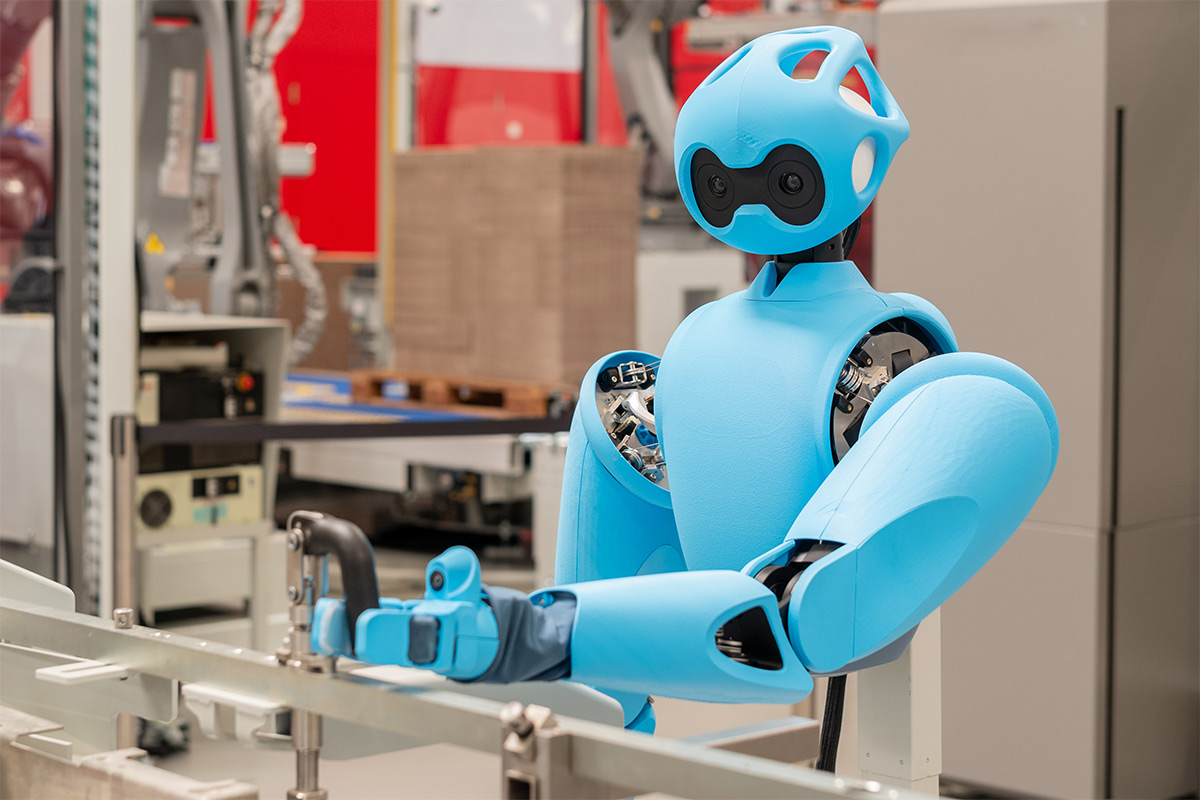
Embodied AI’s new AIR humanoid cobot is designed to work safely alongside and learn from human workers, built to meet the ISO 15066 cobot functional safety standard.
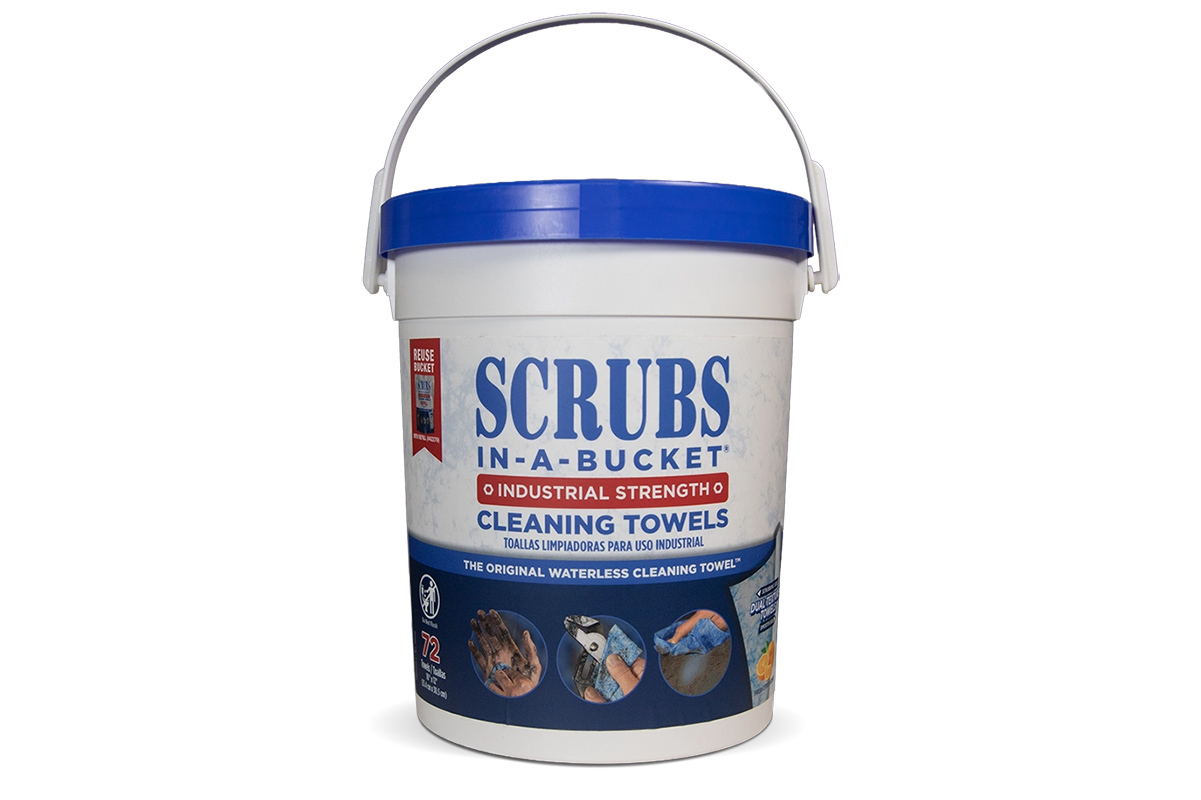
SCRUBS IN-A-BUCKET combine an advanced cleaning formula with industrial-strength dual-textured towel to thoroughly clean hands, tools, and surfaces.
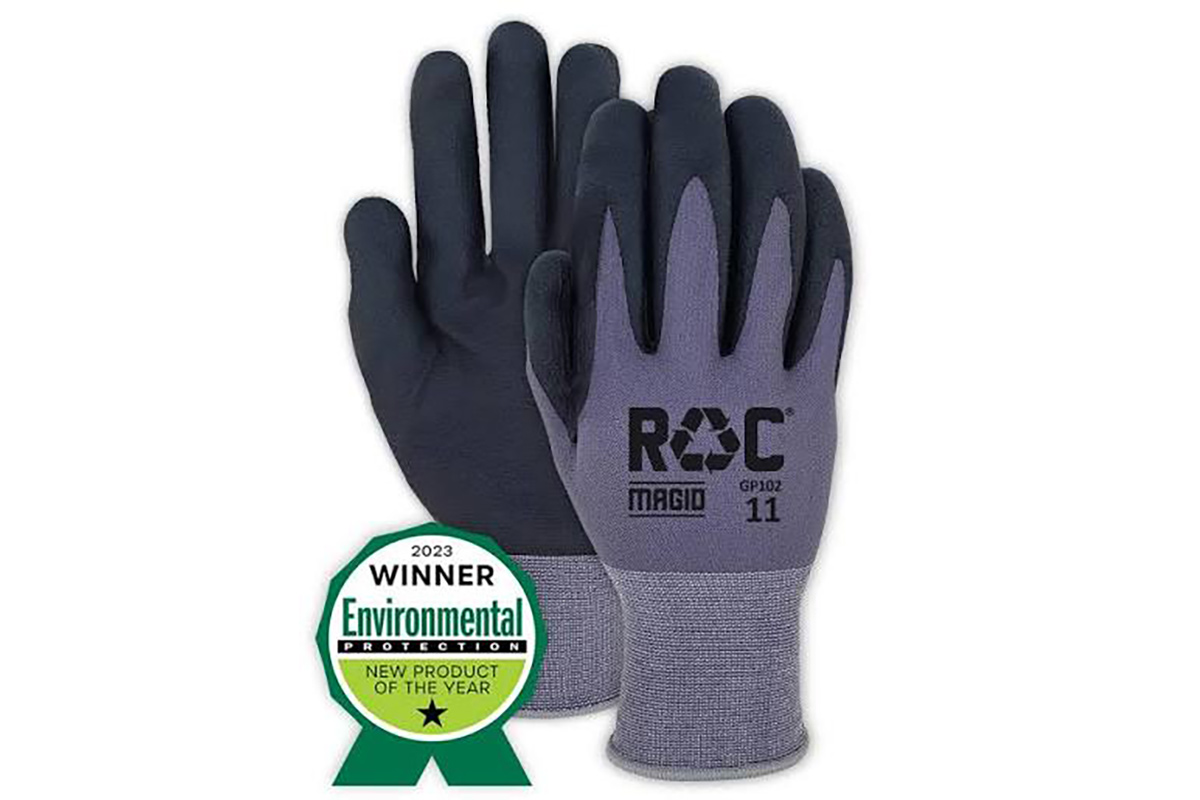
The Magid ROC GP102 lightweight foam nitrile palm coated work glove is sustainably manufactured, providing ANSI A1 Cut and Level 4 abrasion resistance.
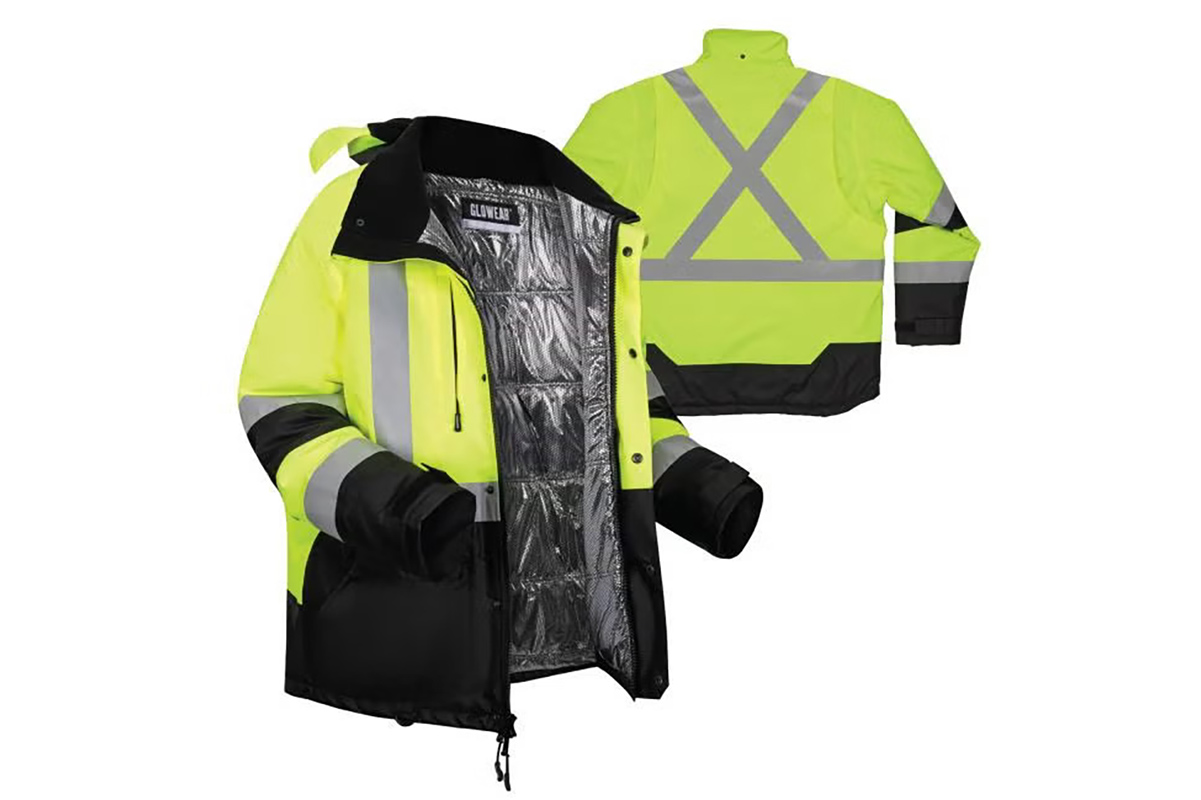
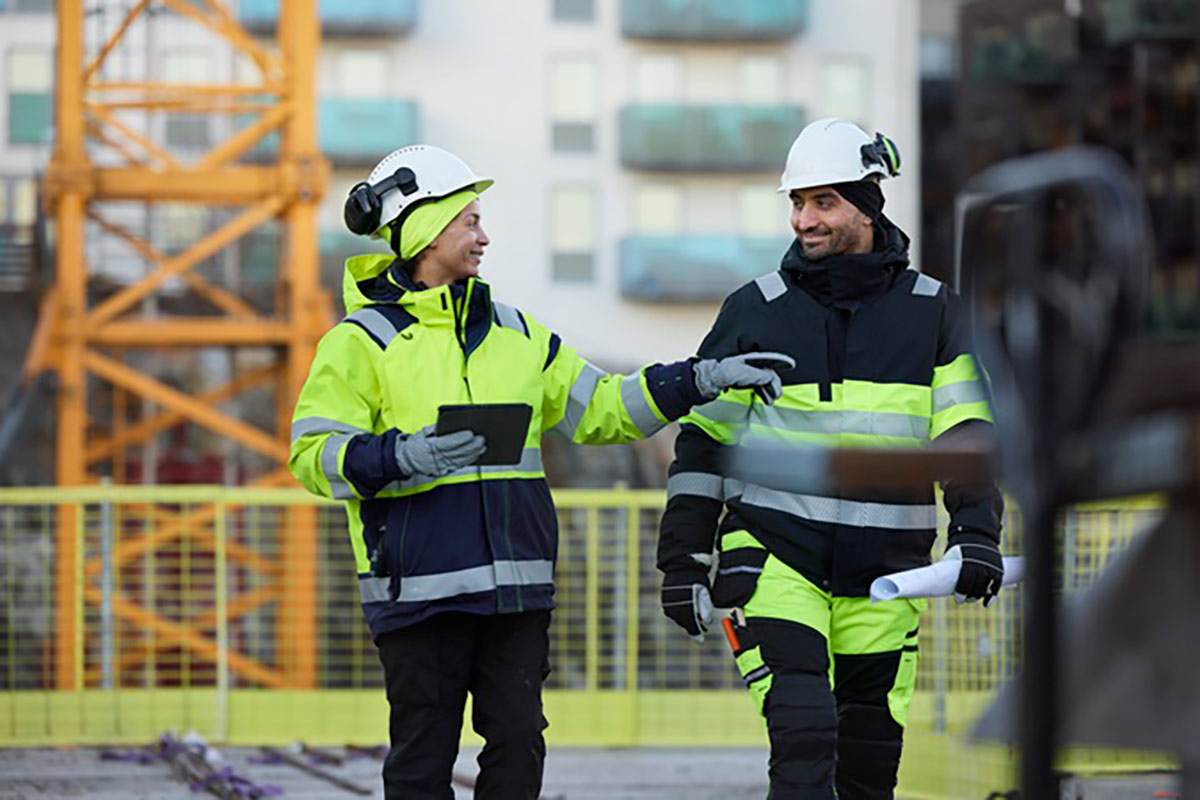
The GloWear 8390X is ANSI/ISEA 107-2020 Type R, Class 3 rated, with ampliFIRE Heat Reflective Lining and built-in water and wind-resistant protection.
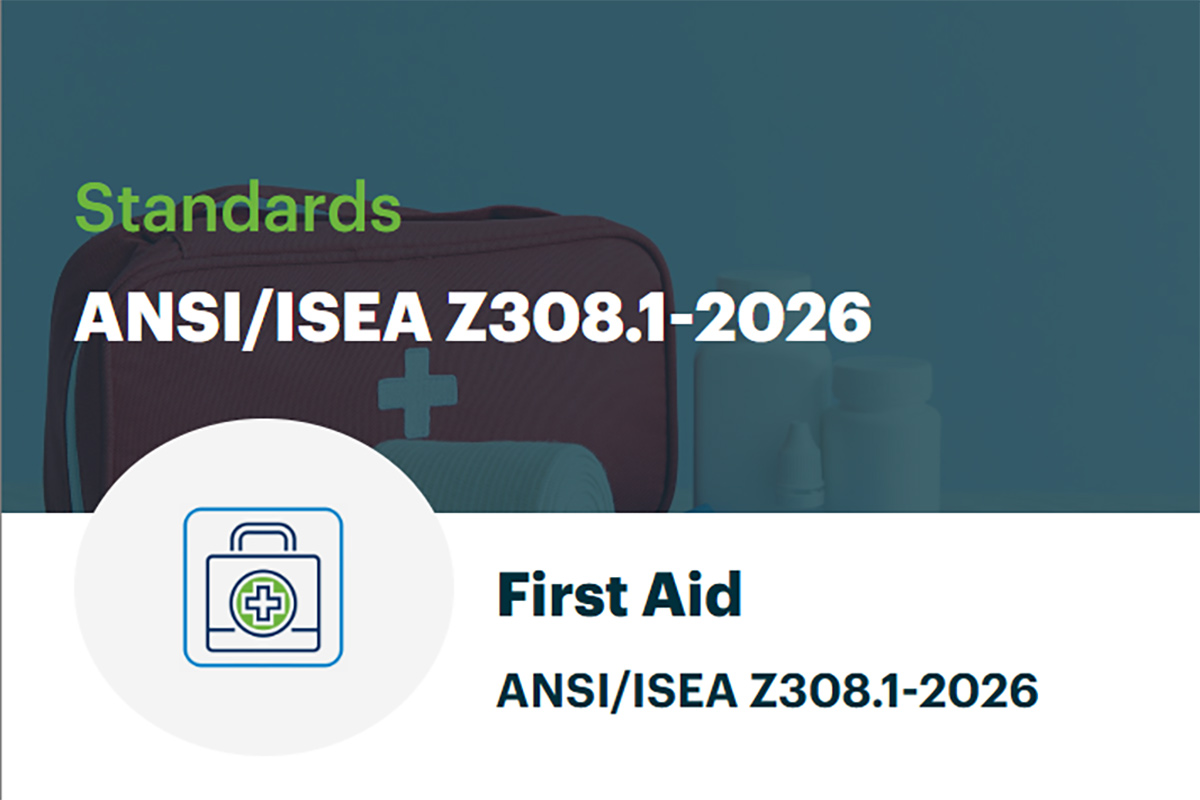
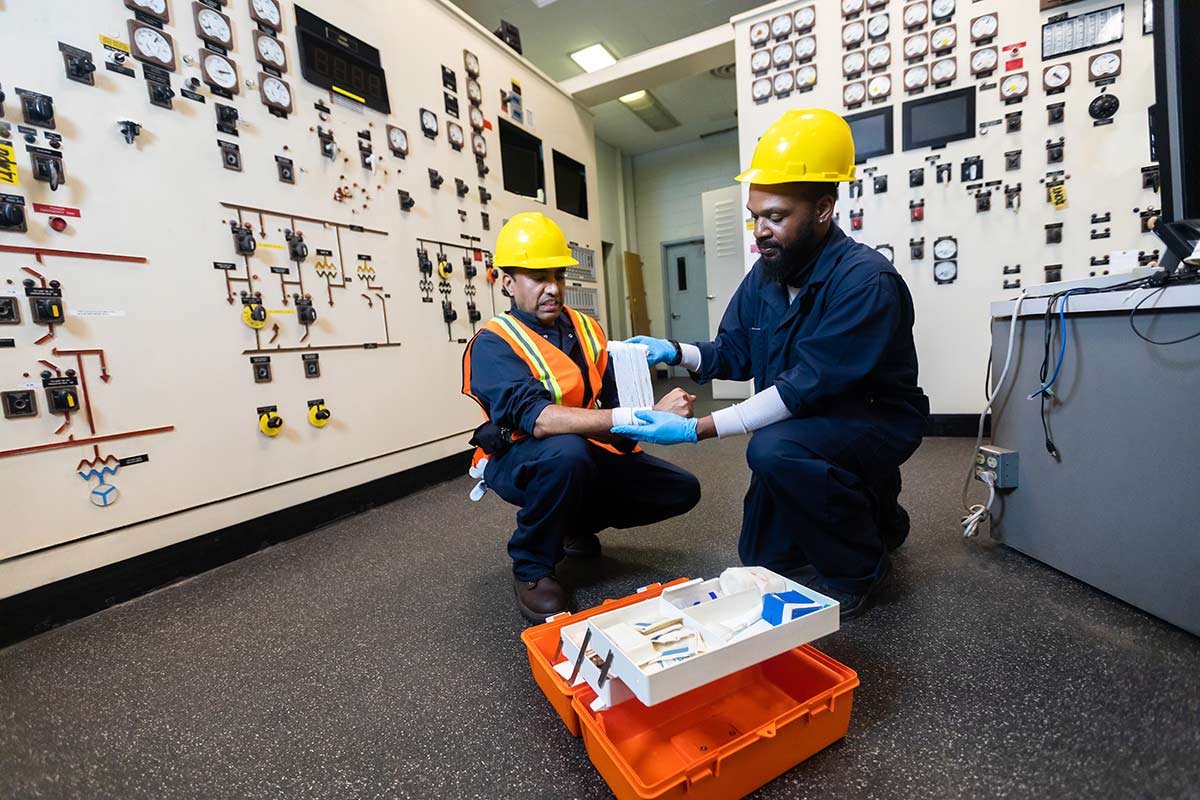
ANSI/ISEA Z308.1-2026 establishes minimum requirements for kit contents, classification, labeling, and performance across a variety of work environments.
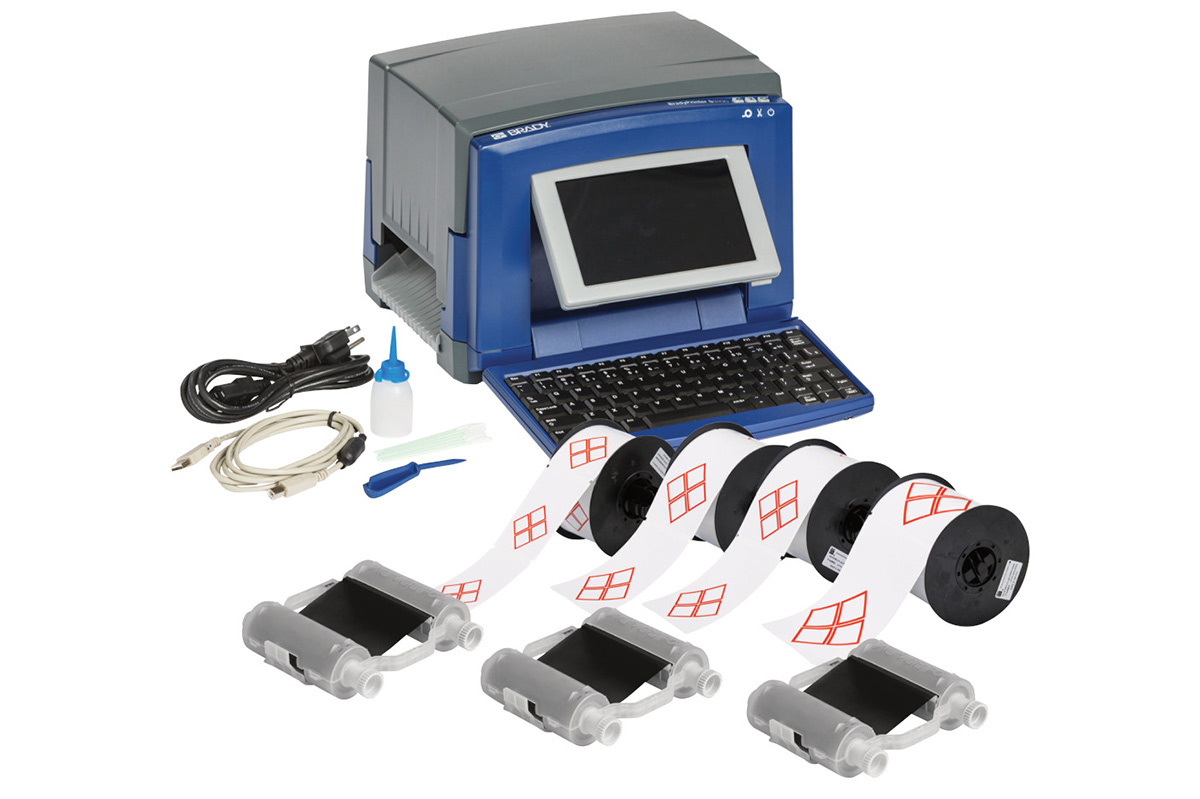
Get a complete start-to-finish solution for your GHS identification projects in one convenient package with Brady’s S3100 Sign & Label Printer and Workstation GHS Label app.
NSC and GHIA call for Congress to advance the WORK to Save Lives Act to codify OSHA’s opioid first aid recommendations into a statutory framework.
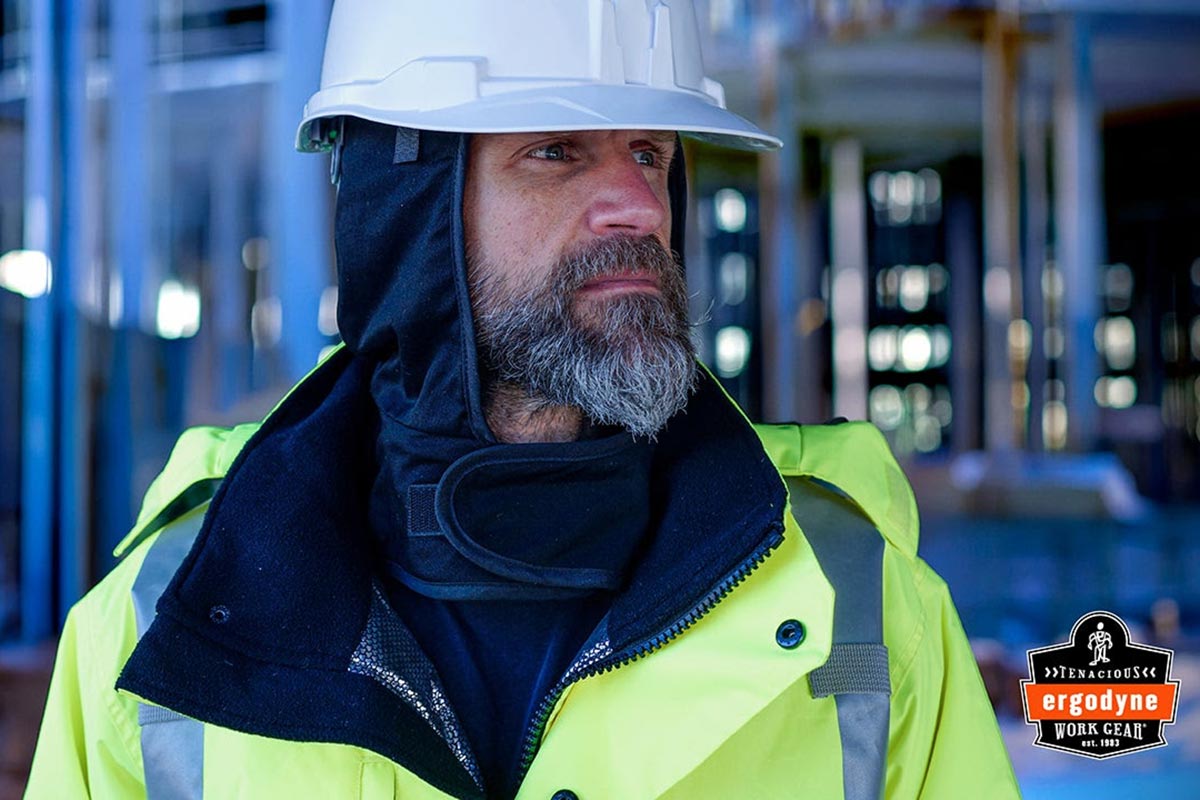
Ergodyne’s 2026/2027 winter product lineup with proprietary AmpliFIRE technology is adaptable to help keep workers focused, productive, and safe as conditions change.
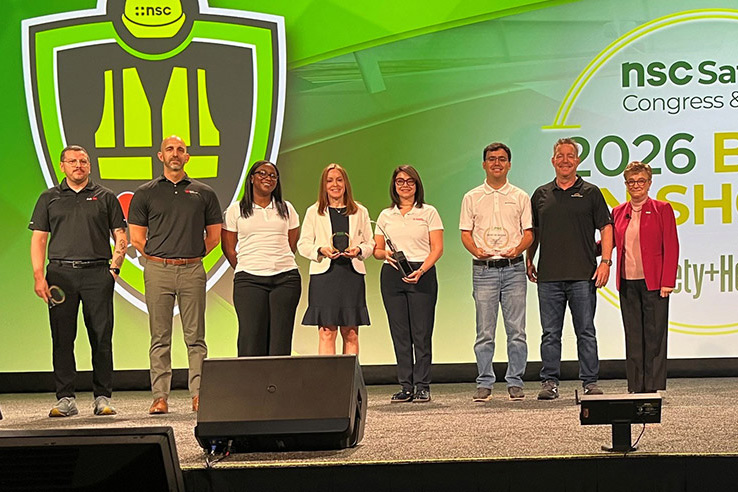
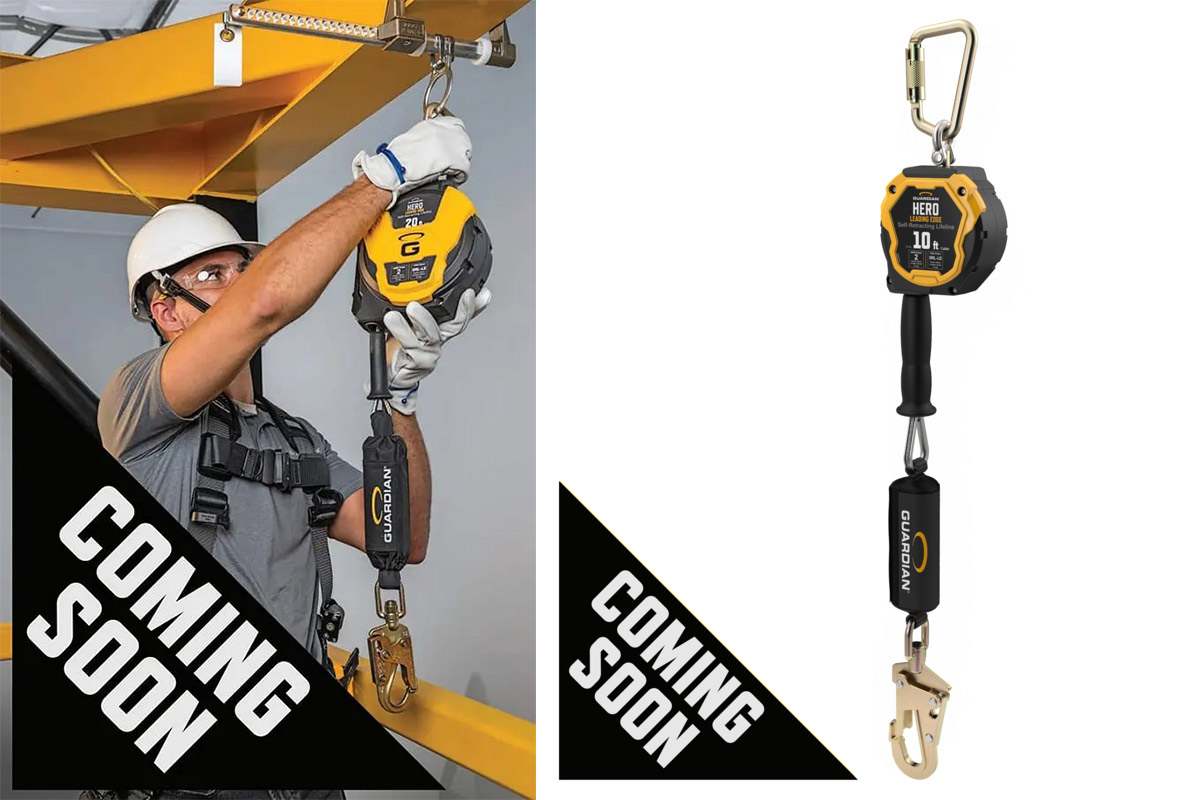
Guardian Fall Protection and 3M’s self-retracting lifelines earned first and third place. Honeywell’s modular gas detector took second place.
Z308.1-2026 includes guidance on bilingual guides, CPR & AED preparedness, mobile work kits, supplemental bleeding control, naloxone, and tourniquets.
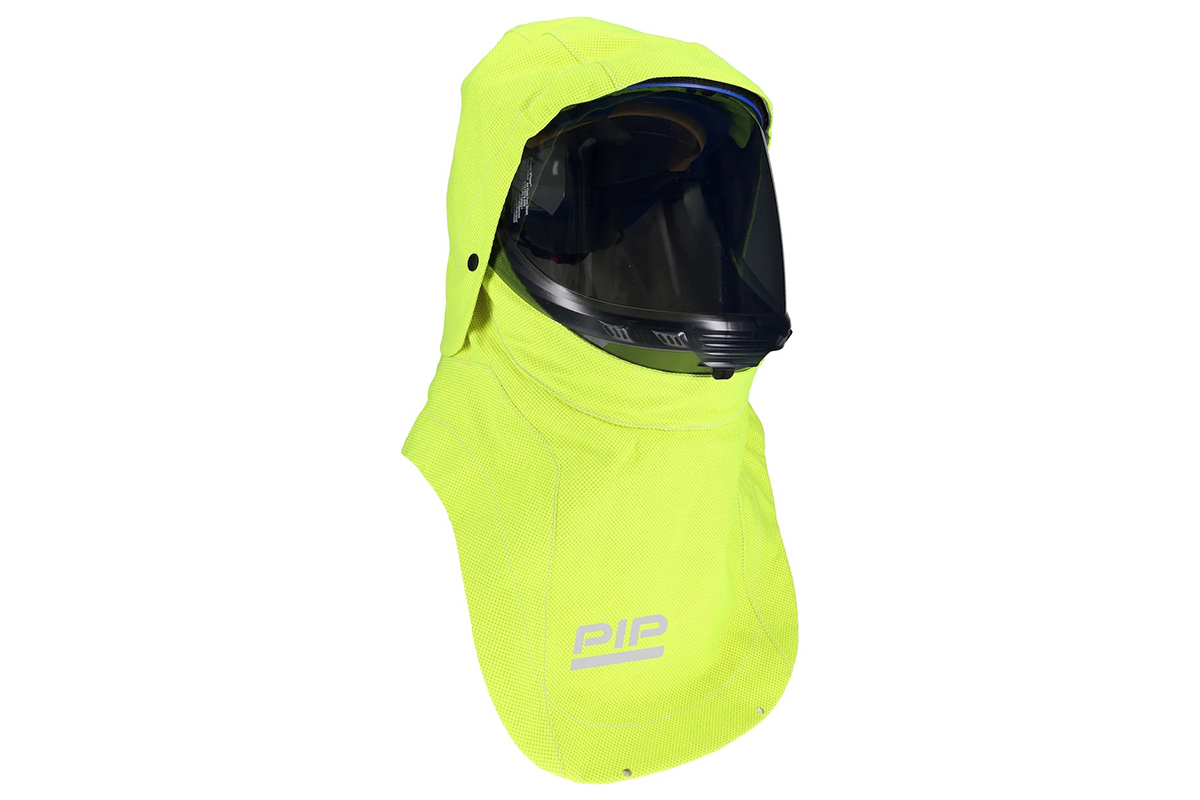
PIP Global Safety’s GORE-TEX PYRAD Lift Front Hood protects the head, face, and neck. A built-in fan provides airflow and air vents allow for clear communication.
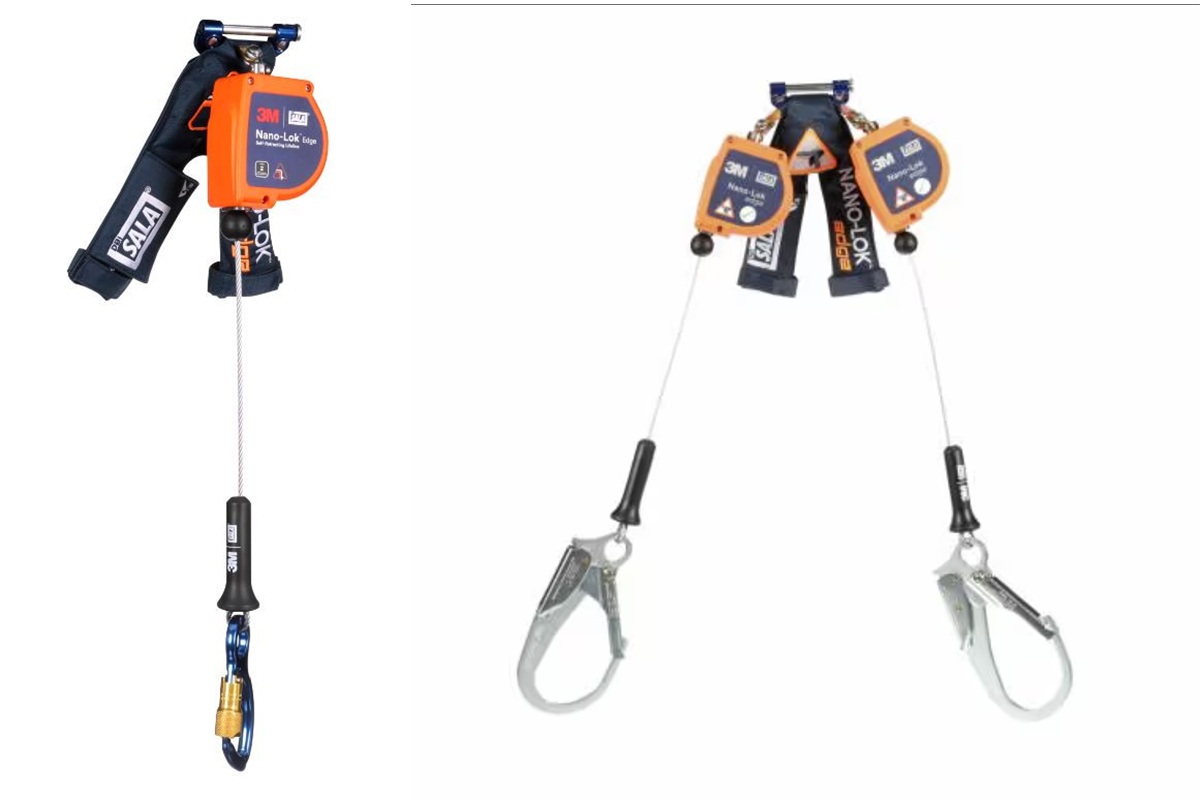
3M’s DBI-SALA Nano-Lok SRL is designed to lock quickly, stopping a fall within inches - providing more protection at low working heights found in construction.
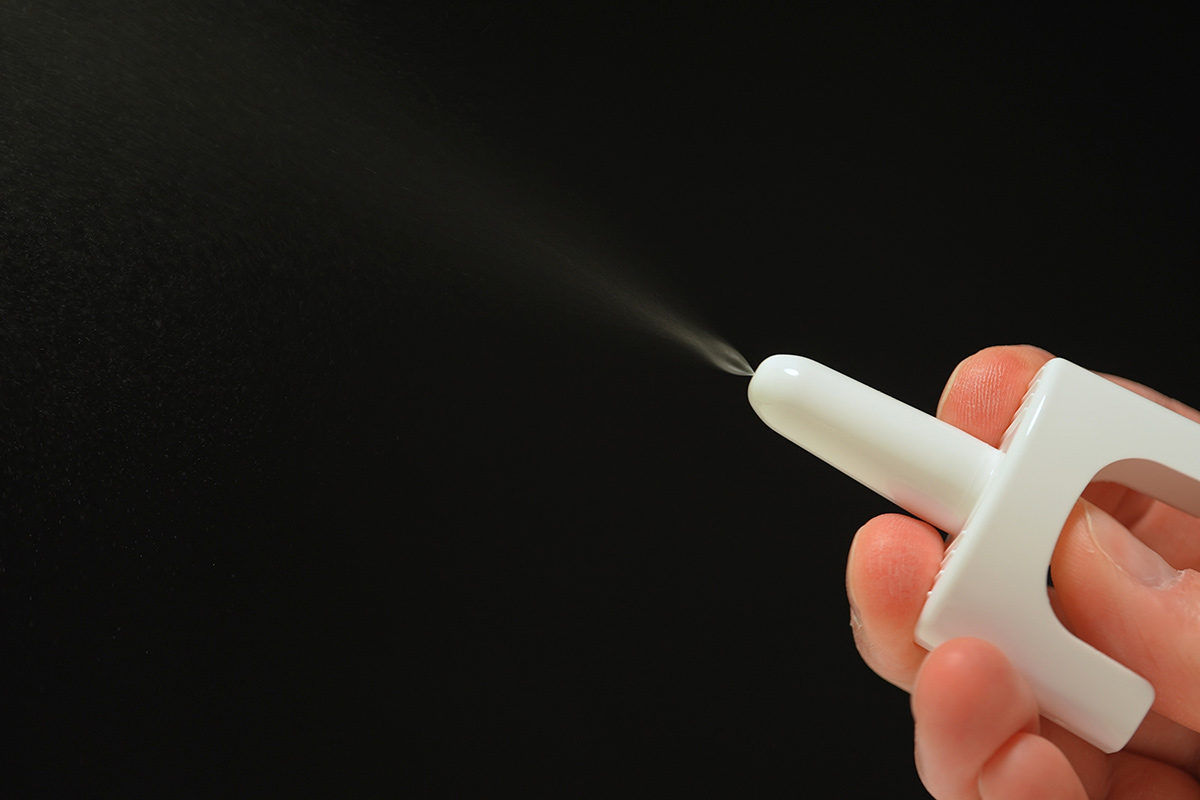
The National Safety Council urged employers to update their emergency preparedness plans to provide tools and training to include opioid overdose response.
Guardian Fall Protection’s HERO features double-recessed ANSI and CSA labels to protect safety information from job site wear, delivering dependable line-lock performance.
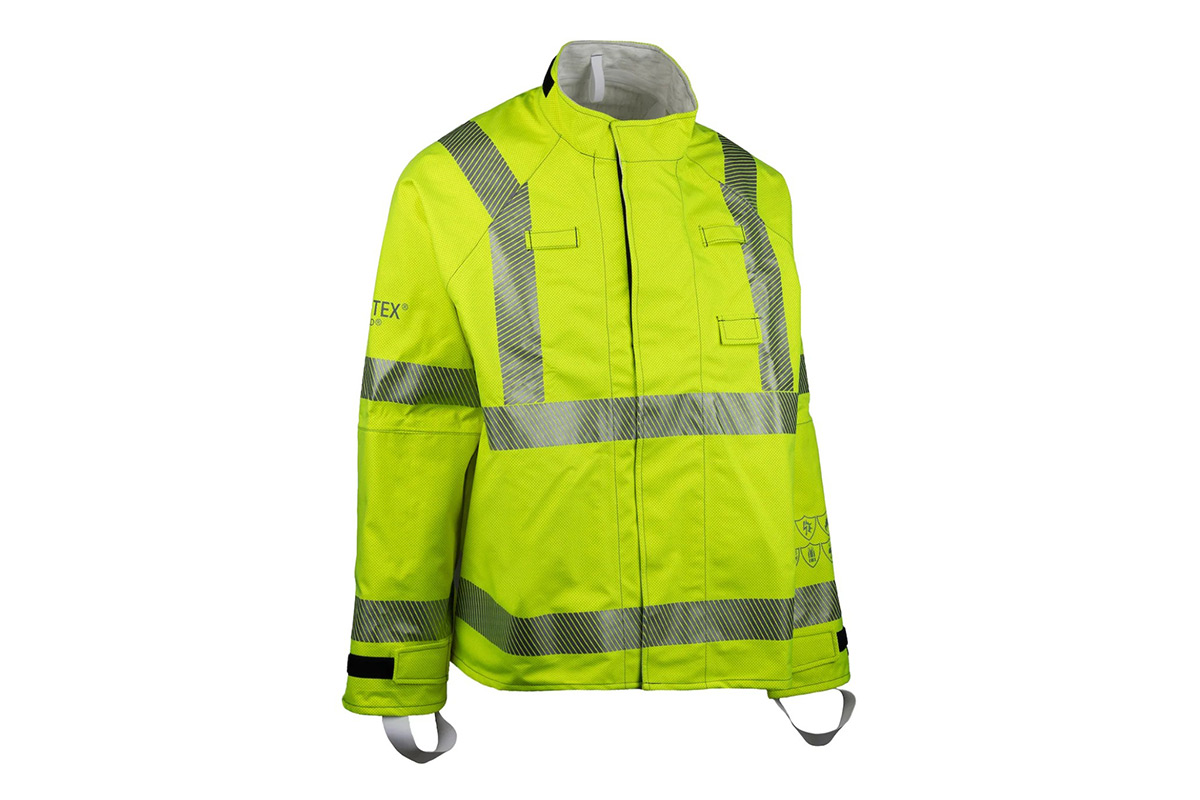
PIP Global Safety’s GORE-TEX PYRAD Multi-Hazard jacket protects against chemical splash, thermal hazards, flash fire, and electric arc exposure - all in one lightweight system.
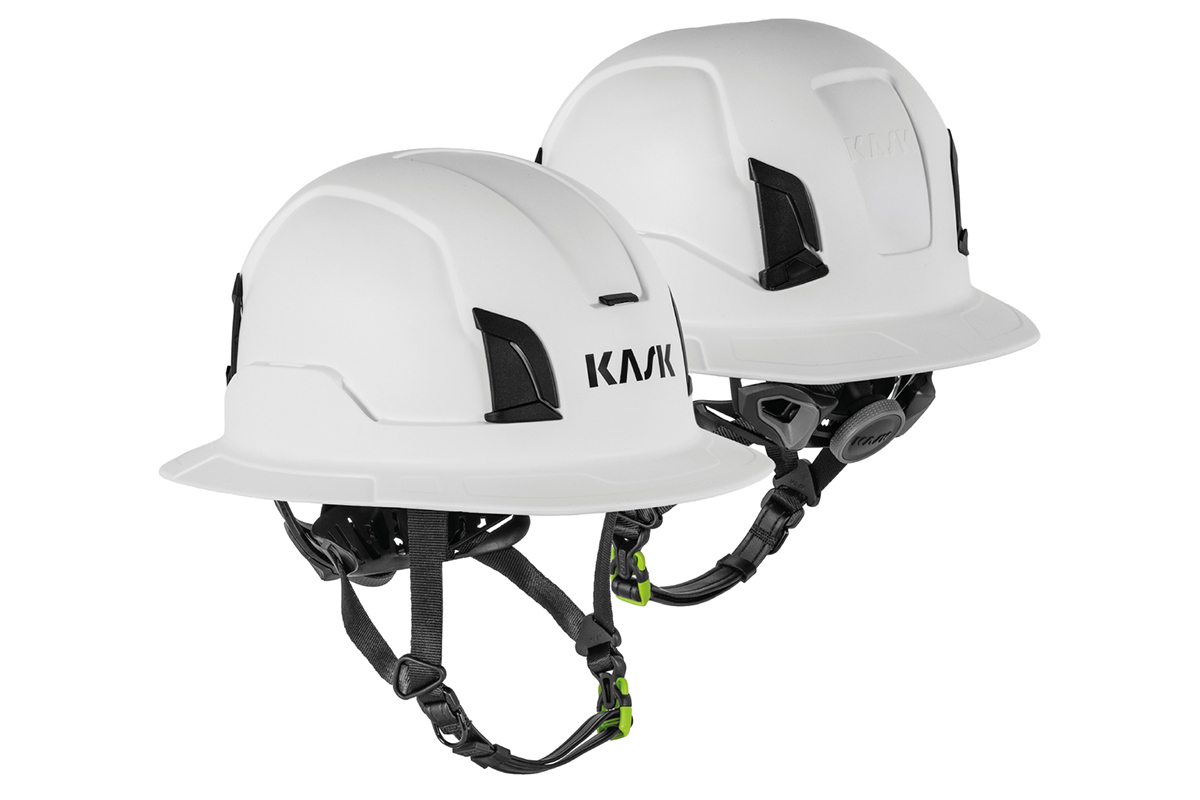
KASK’s Zenith X2 Full Brim helmet features new Adaptive Brim Technology - a flexible and durable material that addresses the potential safety hazards inherent with rigid brims.