Dedicated to helping businesses and individuals prioritize safety, health, and compliance in the workplace. From small startups to large corporations, safety is essential, and we're here to make it easier.


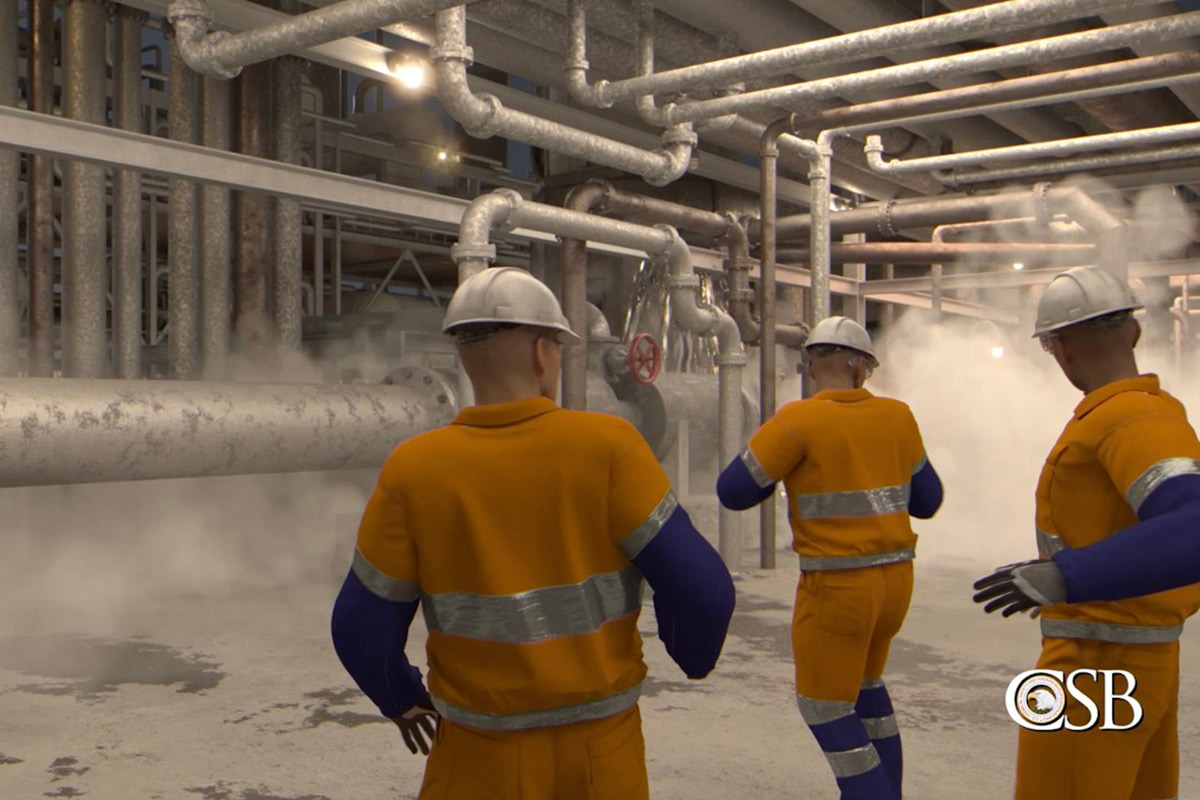
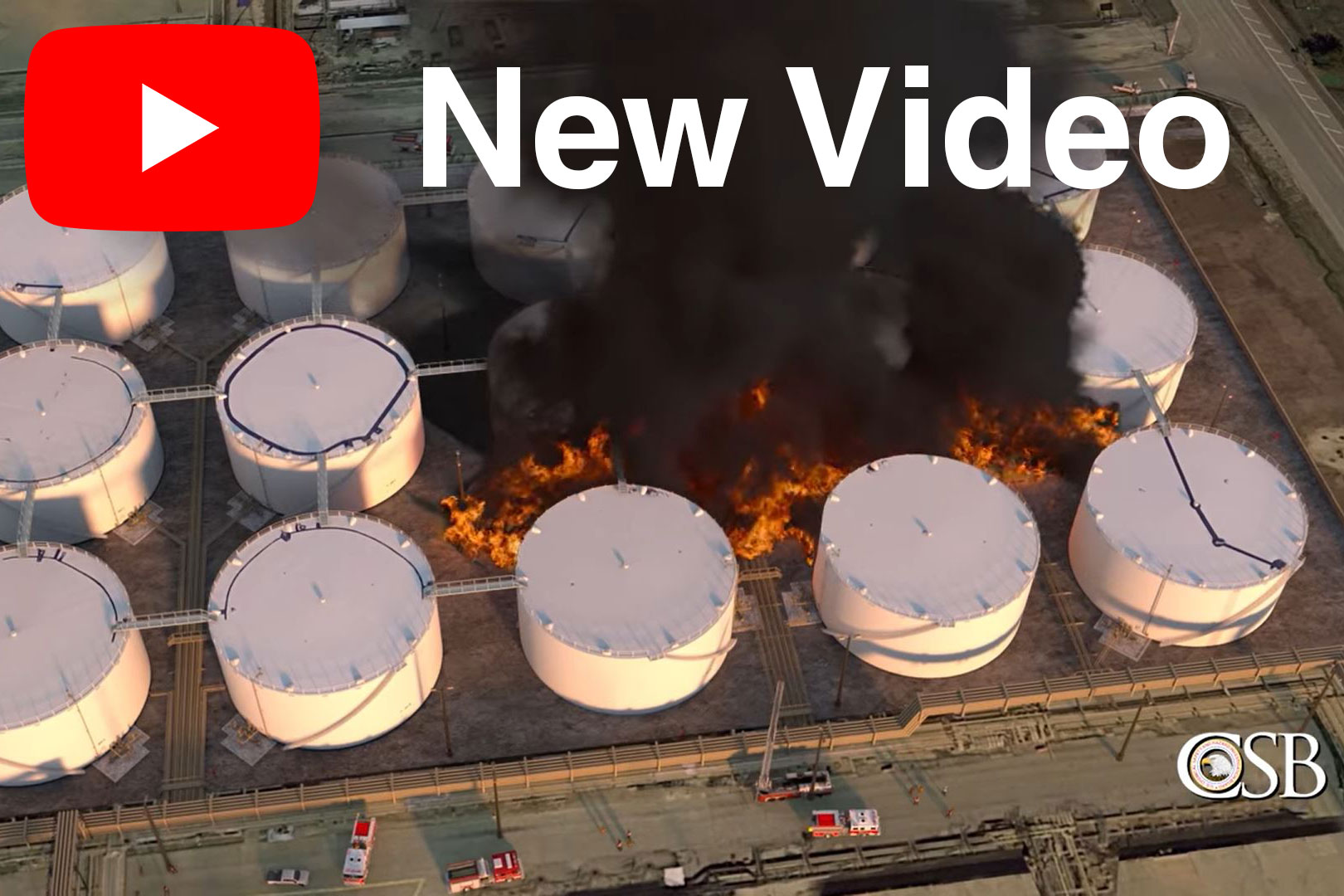
Today, the CSB released a new safety video emphasizing the need for greater use of remote isolation equipment at chemical facilities.
Titled “RIPE for Change,” the video is based on the CSB’s 2024 safety study titled “Remote Isolation of Process Equipment,” and includes commentary from CSB Chairperson Steve Owens and Director of Recommendations Charles Barbee.
“The ability to safely, quickly, and effectively isolate a hazardous release is critical to mitigating its severity. The use of remote isolation equipment can save lives, protect jobs and critical infrastructure, and safeguard communities. We urge chemical facilities to assess the use of remote isolation equipment even if there are not yet formal requirements to do so, and install the equipment where workers can safely activate it,” Owens said in the video.
The video details three serious chemical releases investigated by the CSB where consequences escalated due to the lack of remote isolation safety equipment:
The CSB found that in all three incidents, fires burned for extended periods of time - from several days to over a month - in part because the facilities did not have remote isolation equipment to safely stop the flow of the flammable materials that were fueling the fires.
Instead, all three facilities relied solely on manual or locally-controlled valves that could not be accessed safely by facility personnel during the dangerous incidents.
“Although good industry guidance on the remote isolation of process equipment has been available for many years, the guidance has not been consistently followed. Therefore, the CSB believes that both industry standards and federal regulations should require the use of remote isolation equipment, where appropriate, to help prevent and/or mitigate the consequences of such highly destructive and dangerous events,” Barbee said in the video.
The video highlights the safety recommendations made by the CSB to the American Petroleum Institute (API), the EPA, and OSHA. These recommendations are intended to ensure that remote isolation capabilities are in place to prevent the escalation of releases of hazardous materials.


The U.S. Chemical Safety Board (CSB) is an independent, nonregulatory federal agency that investigates the root causes of major chemical incidents. The Board does not issue citations or fines, but makes safety recommendations to companies,…
Join our Safety Briefing newsletter and get safety news across logistics, warehousing, manufacturing, construction, and other high-risk environments. Get the latest regulatory updates, alerts, safety products, equipment and training, and analysis.
Don't miss a single news story, product review or safety resource. Subscribe to our newsletter for the latest safety news, updates, and exclusive offers.