Dedicated to helping businesses and individuals prioritize safety, health, and compliance in the workplace. From small startups to large corporations, safety is essential, and we're here to make it easier.


The U.S. Chemical Safety and Hazard Investigation Board (CSB) is an independent, nonregulatory federal agency charged with investigating the root causes of major chemical incidents and hazards that result, or may result, in the catastrophic release of extremely hazardous substances.
The Board does not issue citations or fines, but makes safety recommendations to companies, industry organizations, labor groups, and regulatory agencies such as OSHA and the EPA.
The CSB's public safety mission is to drive chemical safety excellence through independent investigations to protect communities, workers, and the environment. Its core mission activities include conducting incident investigations, formulating preventive or mitigative recommendations based on investigation findings and advocating for their implementation, issuing reports containing the findings, conclusions, and recommendations arising from incident investigations, and conducting studies on chemical hazards.
The agency was created under the Clean Air Act Amendments of 1990. In the CSB’S 25-year history, the agency has deployed to nearly 180 chemical incidents and issued more than 1,000 recommendations that have led to numerous safety improvements across a wide variety of industries.
CSB board members are appointed by the president subject to Senate confirmation.
Despite pleading guilty to a federal criminal charge for a fatal 2021 explosion, Yenkin-Majestic has ignored CSB recommendations for nearly three years.
With over 76 million views since launching its YouTube channel in 2007, response to the CSB’s safety videos demonstrate workers want to learn how to prevent chemical incidents.
The CSB found operators were flooded by 3,700 alarms for 12 hours while leadership did not communicate how to address the emergency situation as it unfolded.
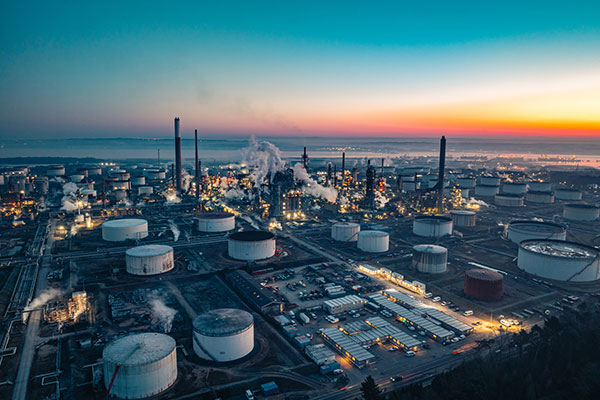
The CSB found Shell Polymers Monaca relied on 11 administrative controls and an easy-to-misread control screen. The agency recommended implementing engineering controls.
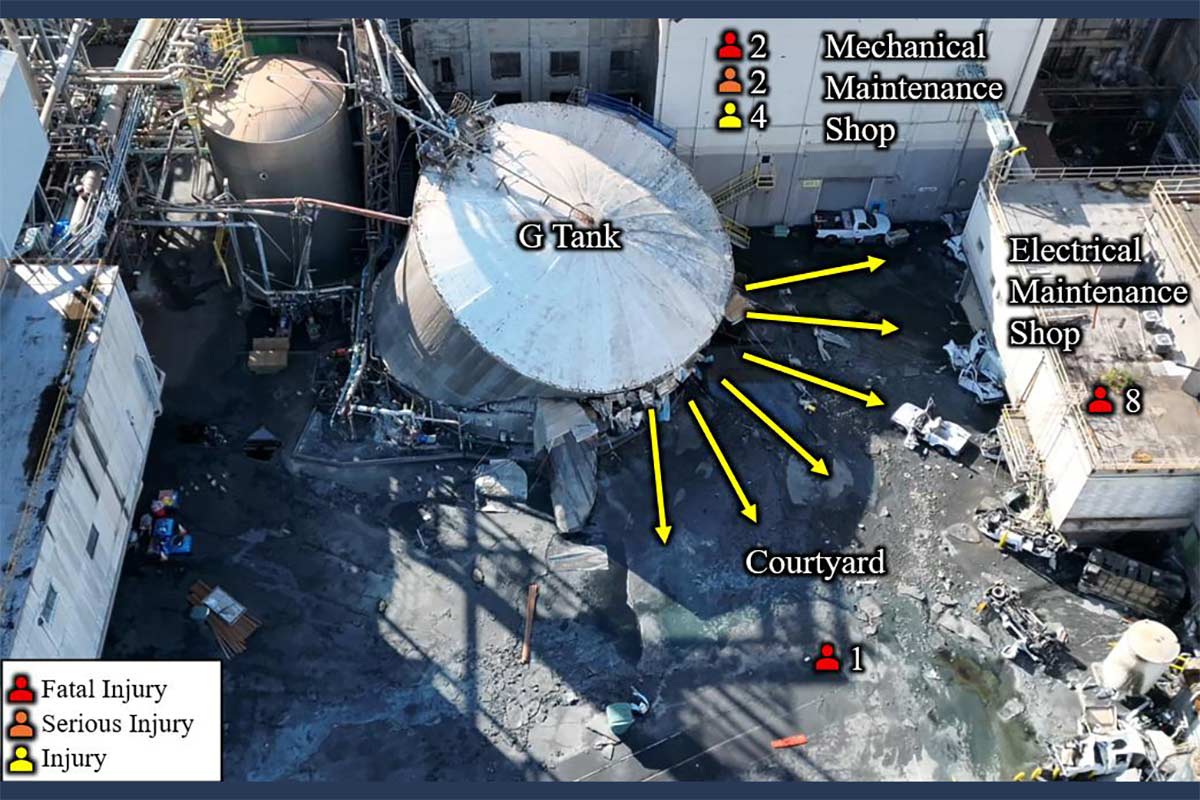
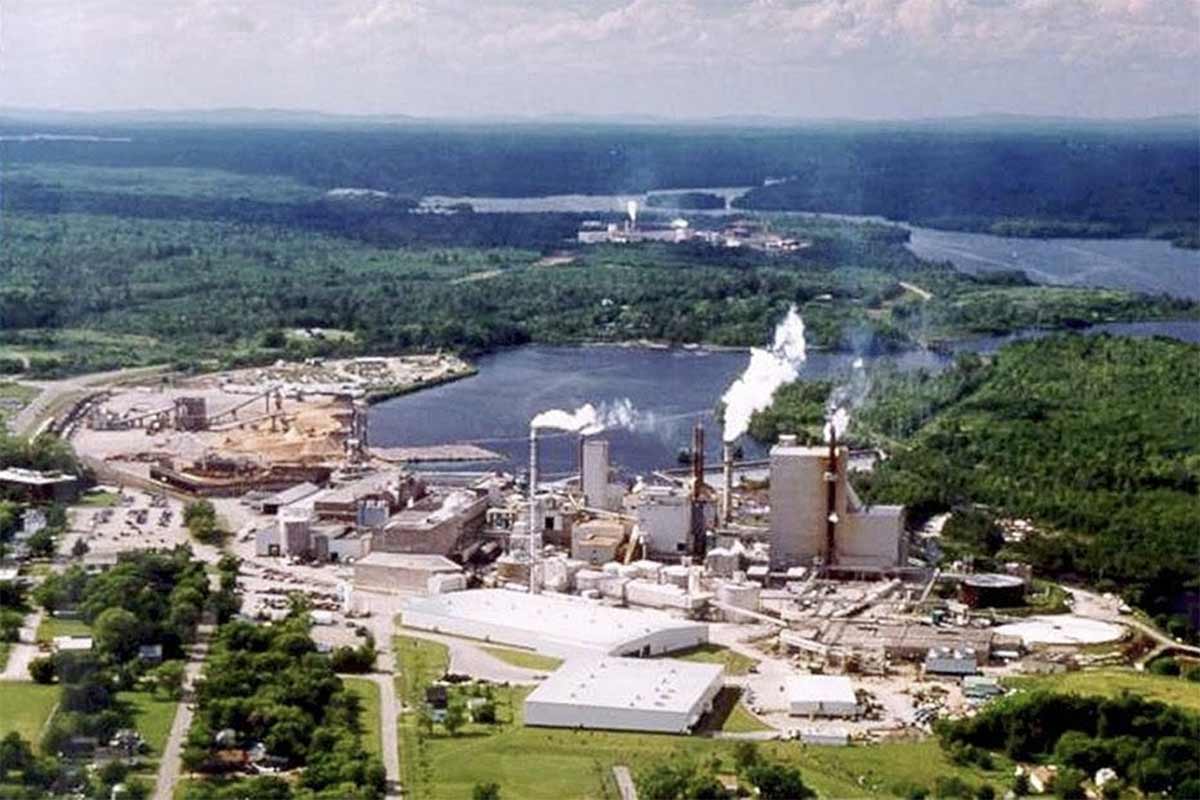
Inspections up to 10 months before G Tank’s failure flagged wall thinning. Why Nippon Dynawave did not repair or remove it from service remains under CSB investigation.
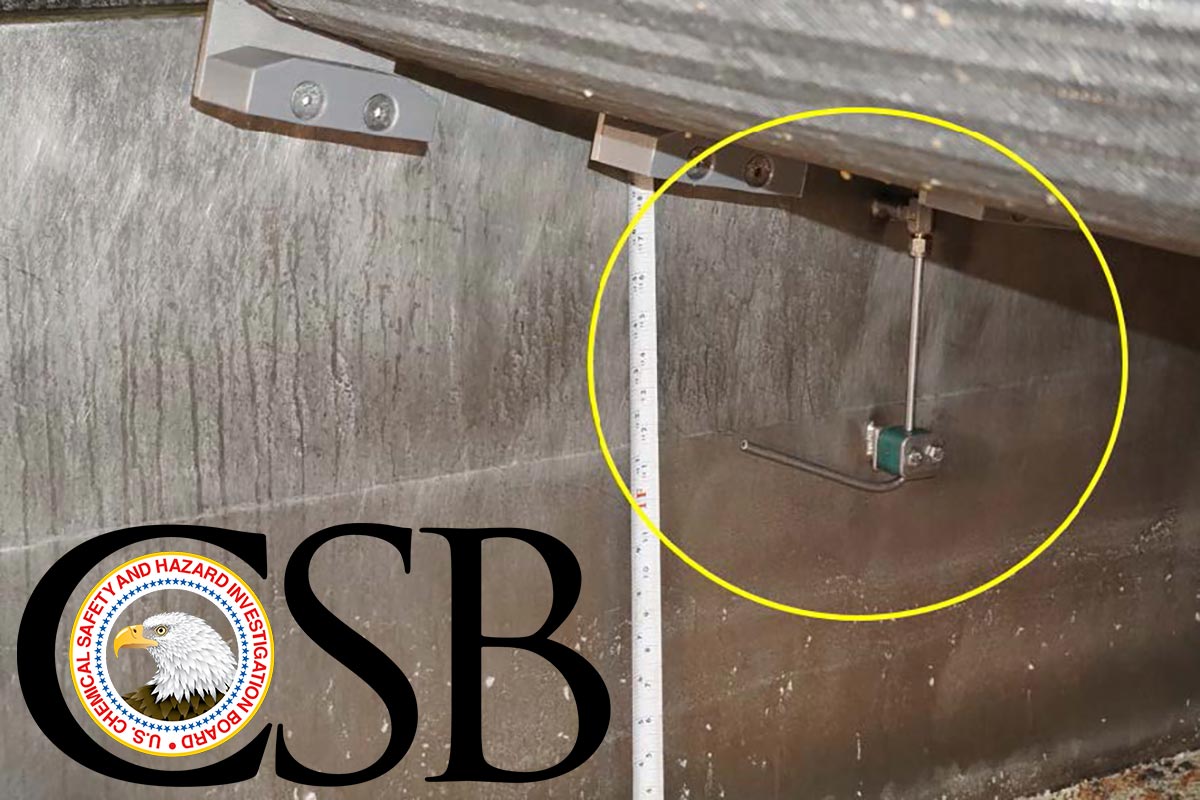
The CSB’s Foundation Food Group safety video examines how a single bent tube caused a liquid nitrogen release, killing two employees & four others during rescue attempts.
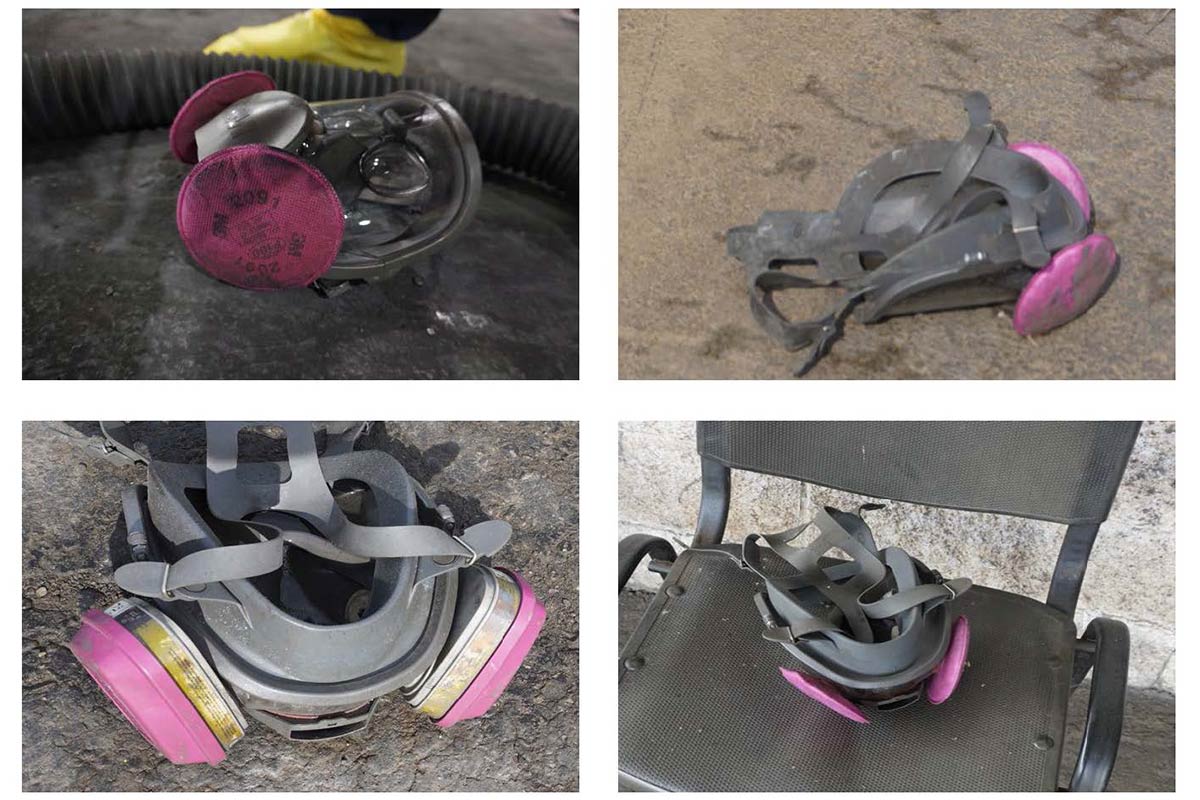
The CSB found respirators without appropriate filters to protect against hydrogen sulfide gas, which employees were not required to wear, nor were they issued personal gas…
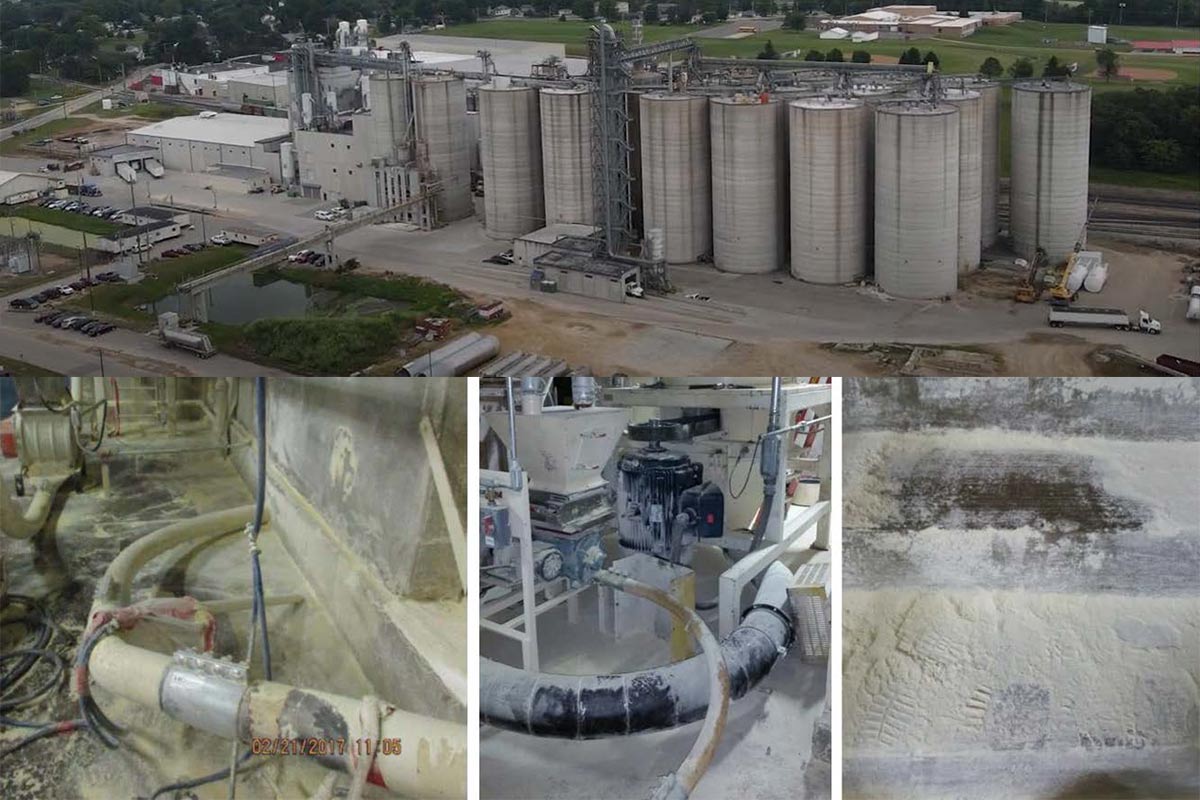
Didion Milling cooperated with the CSB to address combustible dust hazards through engineering & administrative controls after a 2017 explosion killed five employees &…
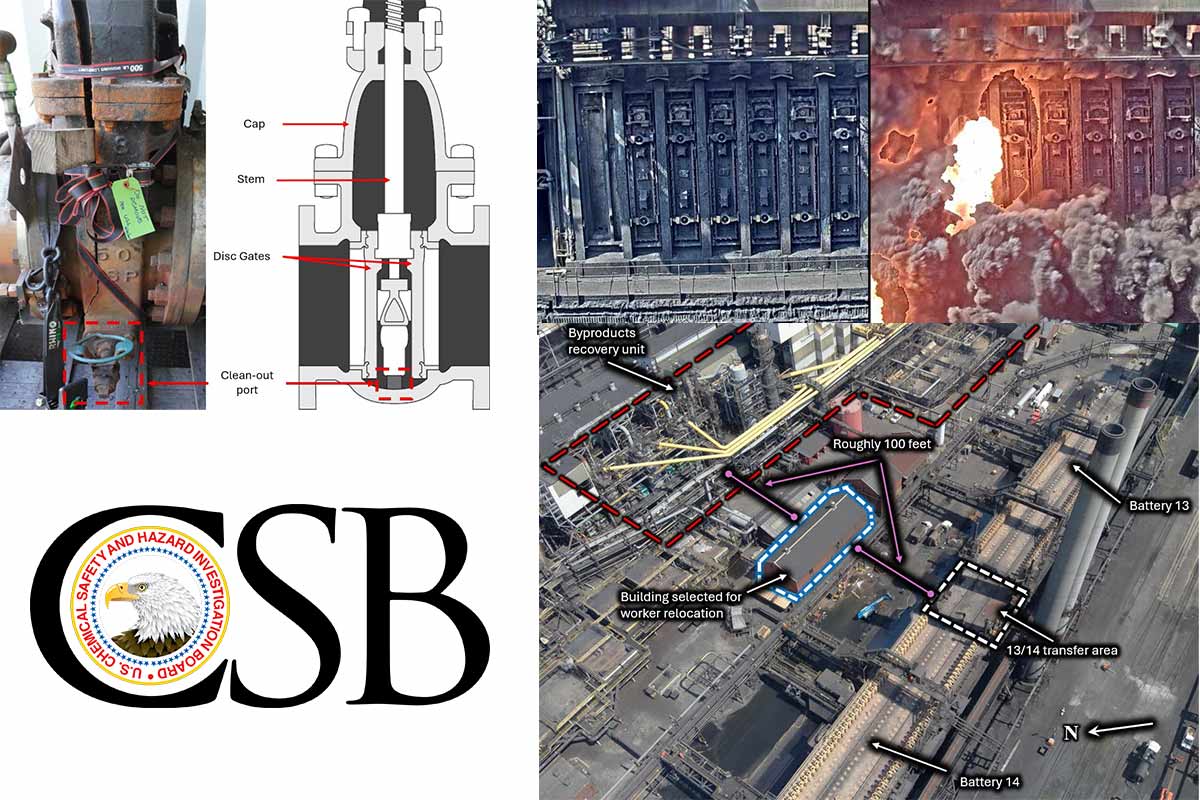
The CSB found process safety management, hazard analysis, & facility siting issues contributed to the fatal gas valve failure and explosion at U.S. Steel’s Clairton Coke…
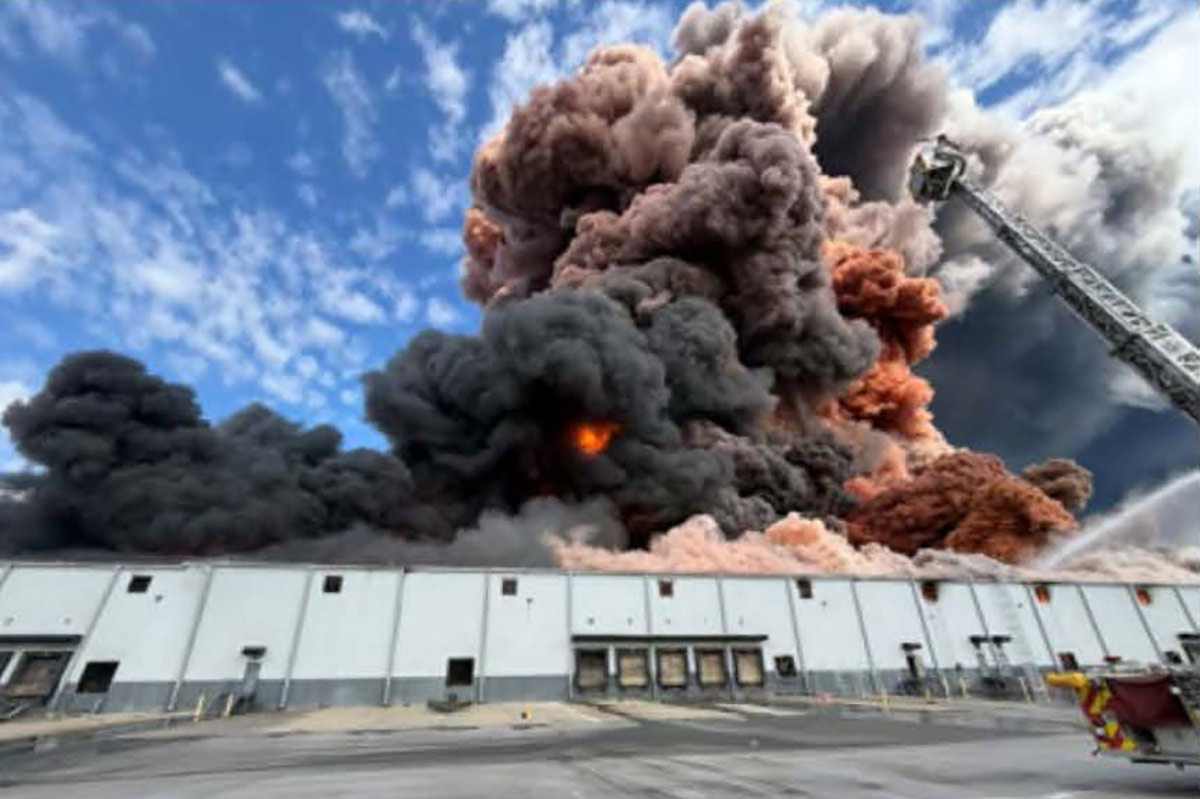
The CSB identified 5 key safety issues after investigating a toxic fire at Bio-Lab in Conyers, Georgia. It again urged OSHA and the EPA to expand reactive hazards regulatory…
The CSB is investigating Woodland Pulp’s lack of fixed and wearable gas monitors, alarms, ventilation, and personnel control after two employees were killed in a toxic gas…
The CSB is warning chemical facilities to prepare for hurricane season now to prevent dangerous chemical releases and fires during severe storms.
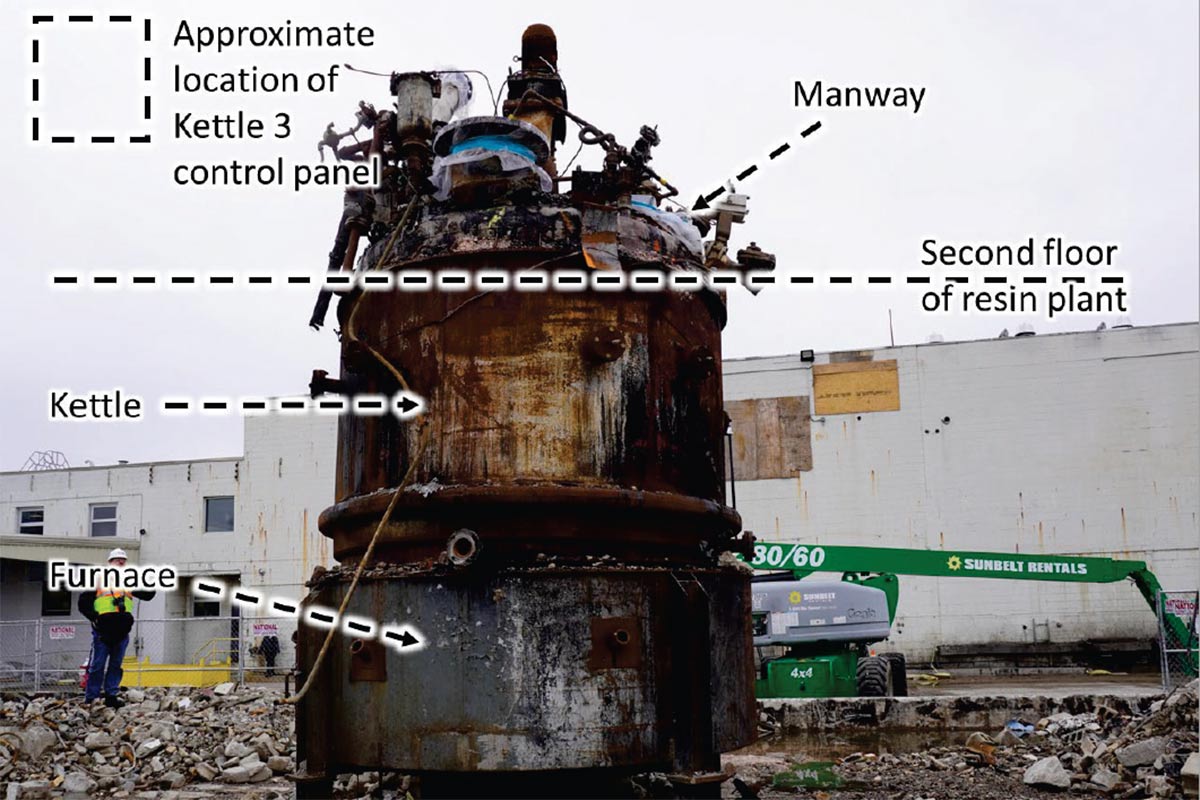
The CSB says a deadly 2024 explosion at a Kentucky caramel coloring plant could have been prevented and exposed serious safety failures tied to reactor design and hazard planning.
Two employees were killed by a hydrogen sulfide leak & explosion when nitric acid and another chemical mixed during work to close down the Nitro, West Virginia silver…
The CSB commended the American Fuel and Petrochemical Manufacturers for hosting workshops and creating a webpage with fluid catalytic cracking safety resources for refineries.
The CSB is investigating Accurate Energetic Systems’ “melt-pour” manufacturing process, process safety management, and industry guidance for commercial high explosive…