Work Safety 24/7

Dedicated to helping businesses and individuals prioritize safety, health, and compliance in the workplace. From small startups to large corporations, safety is essential, and we're here to make it easier.

360 Training OSHA Campus GHS Hazard Communication Training

User-friendly, OSHA-aligned Hazcom certificate training

By Work Safety 24/7 Staff 
November 4, 2026

With 360 Training’s user-friendly, OSHA-aligned Hazcom certificate training, you can quickly and efficiently train your employees, contractors, and groups.

In any workplace, it's crucial to grasp the concept of Hazard Communication. This means recognizing chemical risks so everyone understands the substances they work with, their potential effects, and how to stay safe.

Learning to read safety data sheets (SDS) and chemical labels is key for managing risks effectively. Additionally, creating and implementing a thorough hazard communication plan is essential for ensuring a secure workplace. This approach not only promotes safety but also empowers individuals to take proactive steps to protect themselves and their coworkers.

Who needs this course

This course is essential for a wide range of professionals who handle or are exposed to hazardous chemicals. Key roles that will benefit include:

What standards does this course cover

This course covers the following OSHA standards:

  • 29 CFR §1910 - General Industry
  • 29 CFR §1910.1200 - Hazard Communication
  • OSH Act General Duty Clause

OSHA’s Hazard Communication Standard (HCS) is now aligned with the Globally Harmonized System of Classification and Labeling of Chemicals (GHS).

Topics covered

  • SDS: 16 GHS-aligned sections
  • Chemical Labels: Required elements of supplier and workplace labels
  • Written Hazard Communication Program: 6 elements of an effective safety program
  • Workplace Safety: Safety protocols and PPE
  • Investigated Case Studies

Learning objectives

Upon completion of this course, you will be able to:

  • Understand the relevance of Hazard Communication and how it relates in the workplace
  • Recognize chemical risks so that employers and employees know what they are dealing with, how it may affect them, and how to protect themselves.
  • Learn to read and understand SDS and chemical labels.
  • Understand how to build a safe workplace with a documented hazard communication plan.

Interested parties can visit 360 Training's website to learn more information.

Learn more about 360 Training's OSHA GHS Hazcom Training
 

More about 360 Training

Related Topics

Regulatory   Education   Certifications   Training   Products   Training & Education Resource   360 Training   Chemical Hazards   GHS   GHS Rev 7   Hazard Communication   Hazardous Materials   Labeling   OSHA   Programs & Procedures   SDS   All topics
 

Subscribe

Subscribe to our FREE magazine, FREE email newsletters or both!

Join our Safety Briefing newsletter and get safety news across logistics, warehousing, manufacturing, con­struc­tion, and other high-risk environments. Get the latest regulatory updates, alerts, safety products, equipment and training, and analysis.
Subscribe today


Editors’ Picks

PHMSA to update LNG facility safety standards
The Pipeline and Hazardous Materials Safety Administration published a Notice of Proposed Rulemaking to update LNG regulations, incorporating the 2026 edition of…
Saelua Medical & University of Arizona receive 2026 MSHA Brookwood-Sago…
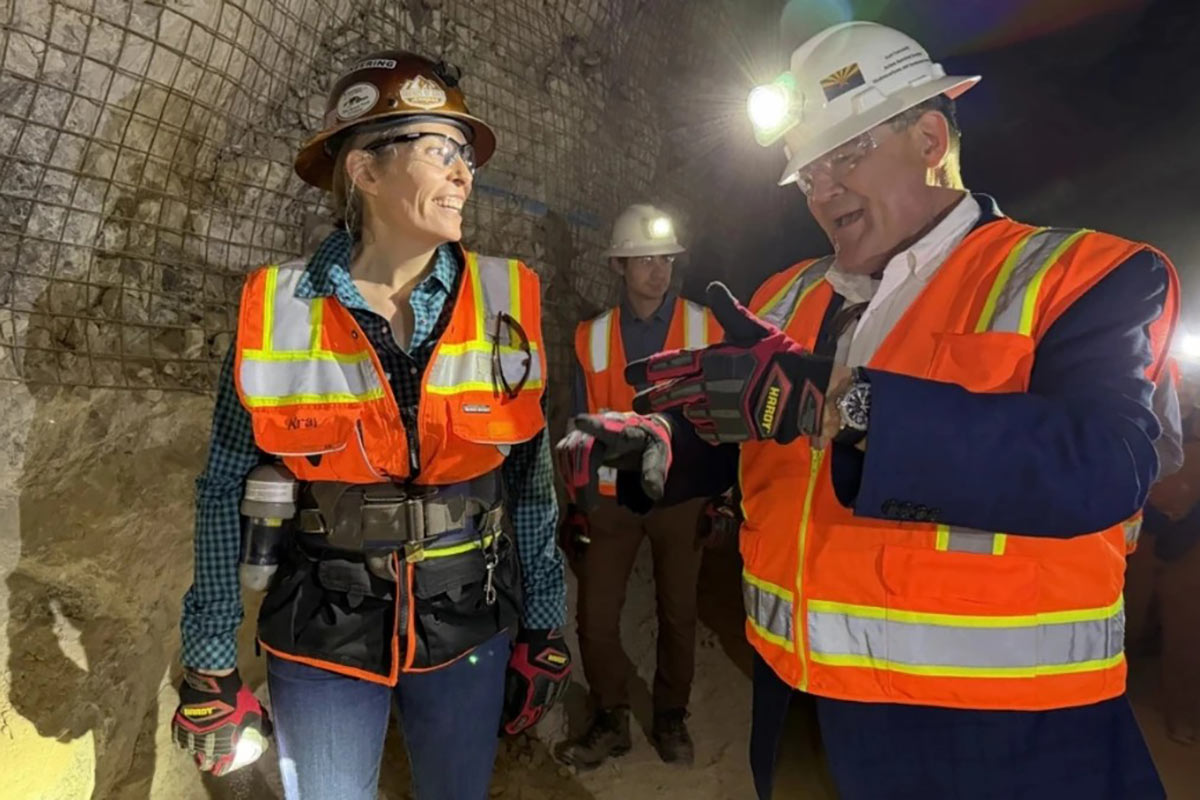
MSHA awarded $250K in Brookwood-Sago Grants to two groups focused on innovative mine safety plans and pilot programs for miners in a broad range of positions.
Shipping tank releasing hazardous smoke in Toledo, Ohio
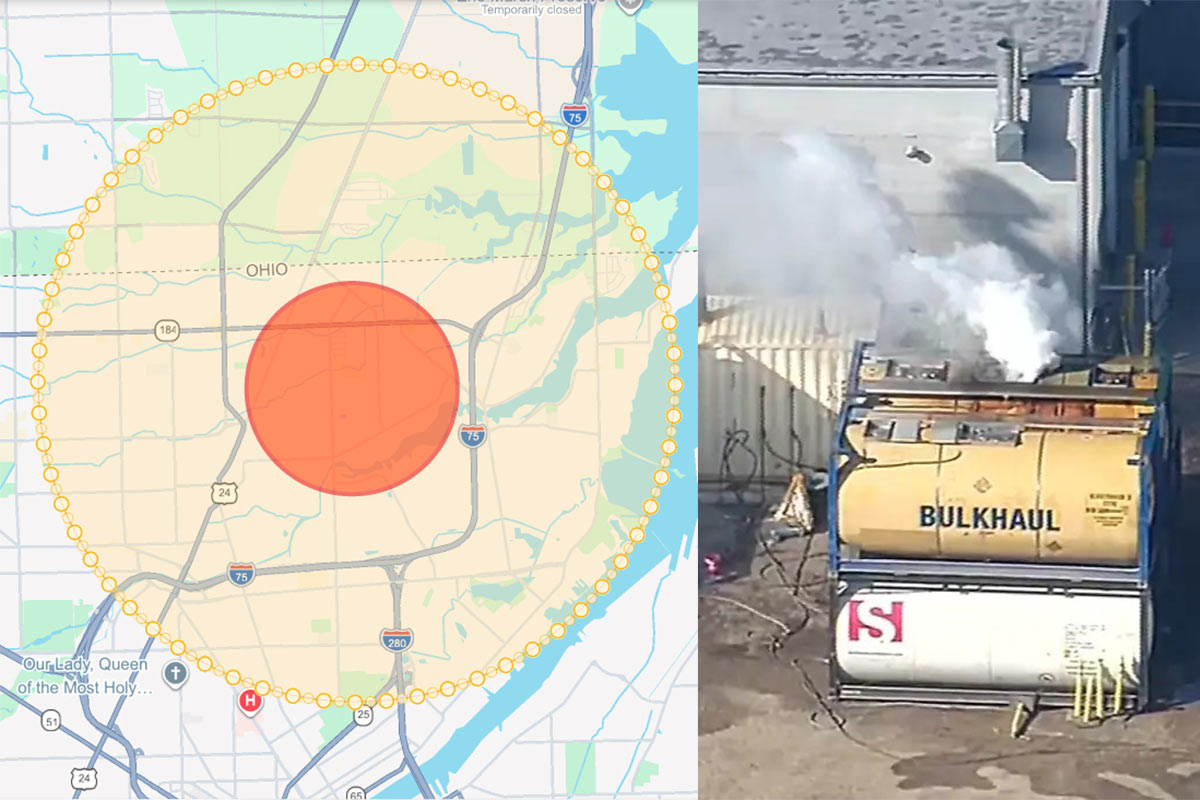
An ISO tank container at MC Tank in Toledo, Ohio began releasing hazardous glycidyl methacrylate last night. The company’s new owner was cited by OSHA for two…
ANSI/ISEA update Z308.1 First Aid standard
Z308.1-2026 includes guidance on bilingual guides, CPR & AED preparedness, mobile work kits, supplemental bleeding control, naloxone, and tourniquets.