Work Safety 24/7

Dedicated to helping businesses and individuals prioritize safety, health, and compliance in the workplace. From small startups to large corporations, safety is essential, and we're here to make it easier.

MSHA issues safety alert ahead of winter season

Best practices to address common winter hazards

MSHA issues safety alert ahead of winter season
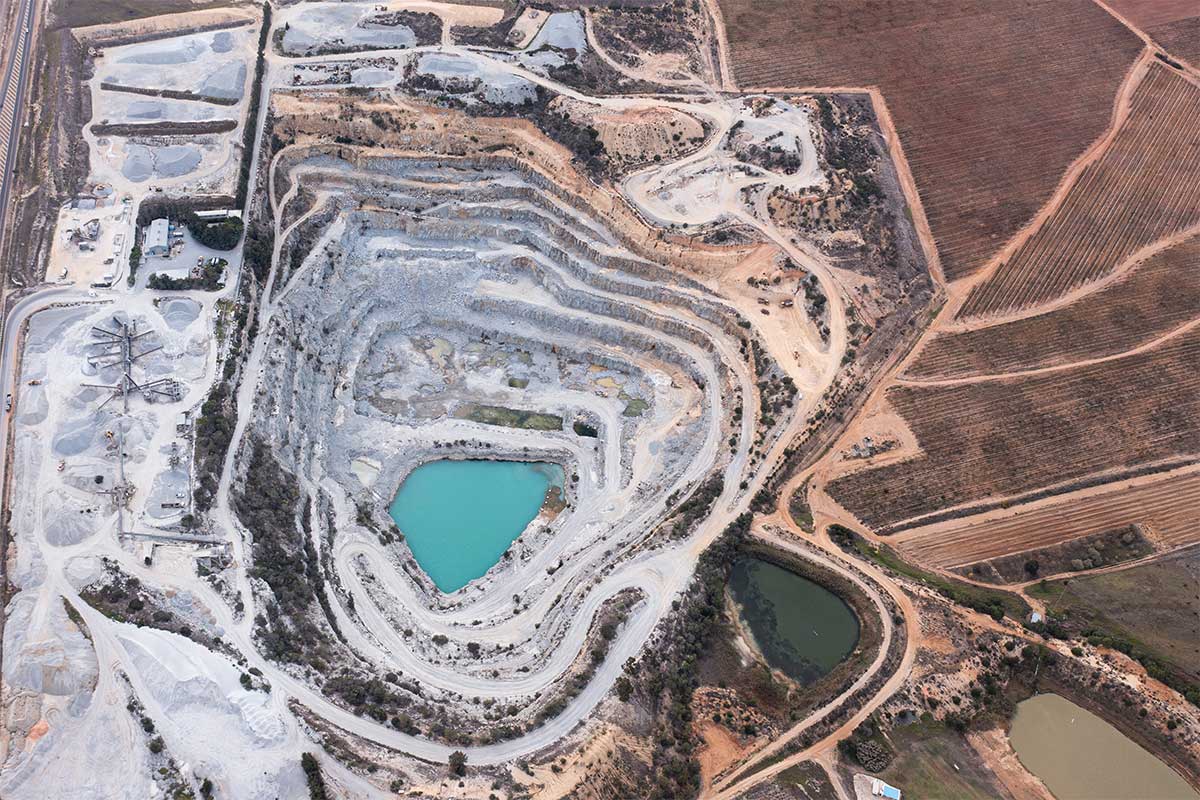
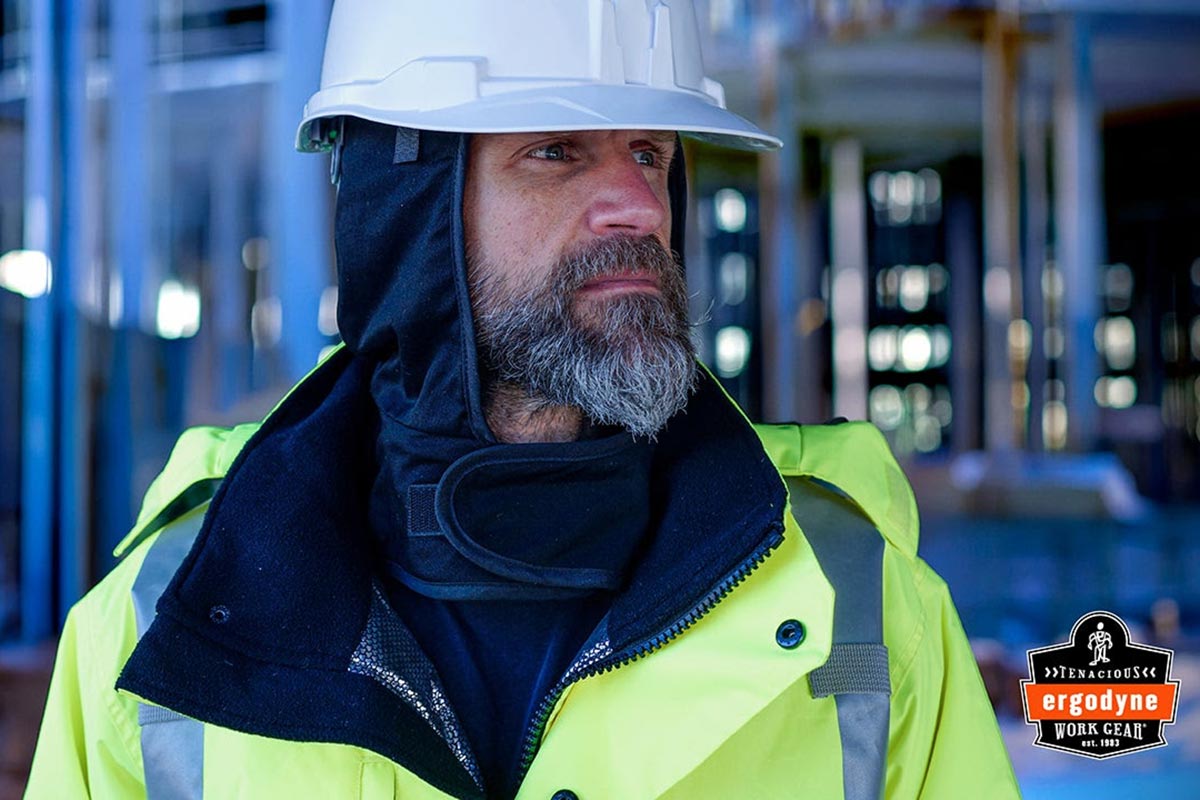
Source: Getty Images | Armand Burger
The Mine Safety and Health Administration is providing best practices to address common winter hazards, including slips & trips, vehicle accidents, and cold stress.
By Work Safety 24/7 Staff 
November 2, 2026

The Mine Safety and Health Administration (MSHA) recently issued a safety alert warning miners and mine operators of hazards that can be expected as winter conditions begin this season.

According to the agency, winter brings a sharp rise in slips, trips, & falls, vehicle accidents, and cold-stress injuries at surface and underground mines.

Snow, ice, and freeze-thaw cycles can weaken roads, highwalls, benches, and walkways. Dry winter air can weaken underground roof strata, while prolonged cold exposes miners to hypothermia and frostbite.

Most winter injuries are preventable through pre-season equipment inspection, aggressive snow and ice control, proper cold-weather gear, adequate examinations and ground control, and training miners to recognize cold-stress symptoms in themselves and coworkers.

Best practices to address winter hazards

  • Inspect and Winterize Equipment: Check batteries, fuel lines, brakes, cab heaters, and defrosters, and examine equipment for exhaust leaks before cold weather arrives.
  • Clear Snow and Ice: Keep roads, walkways, ramps, and work areas clear. Apply salt and sand where needed, and keep windshields, mirrors, and lights free of snow and ice.
  • Drive Cautiously: Reduce speeds, maintain safe following distances, always wear seat belts, and watch for black ice on haul roads.
  • Slow Down in Whiteout Conditions: Heavy snow can hide berms, drop-offs, damaged roads, and other vehicles. Reduce speed, turn on headlights and beacons, maintain radio contact, and stop if you cannot see the road ahead.
  • Examine Ground Conditions: Check the integrity of highwalls, benches, and roadways after each rain, freeze, or thaw. Underground, monitor changing roof conditions and ventilation.
  • Protect Against Cold Stress: Wear insulated, layered, waterproof clothing. Provide warm shelters and hot liquids. Schedule cold jobs for the warmest part of the day. Train miners to recognize hypothermia and frostbite.


Editors’ Picks

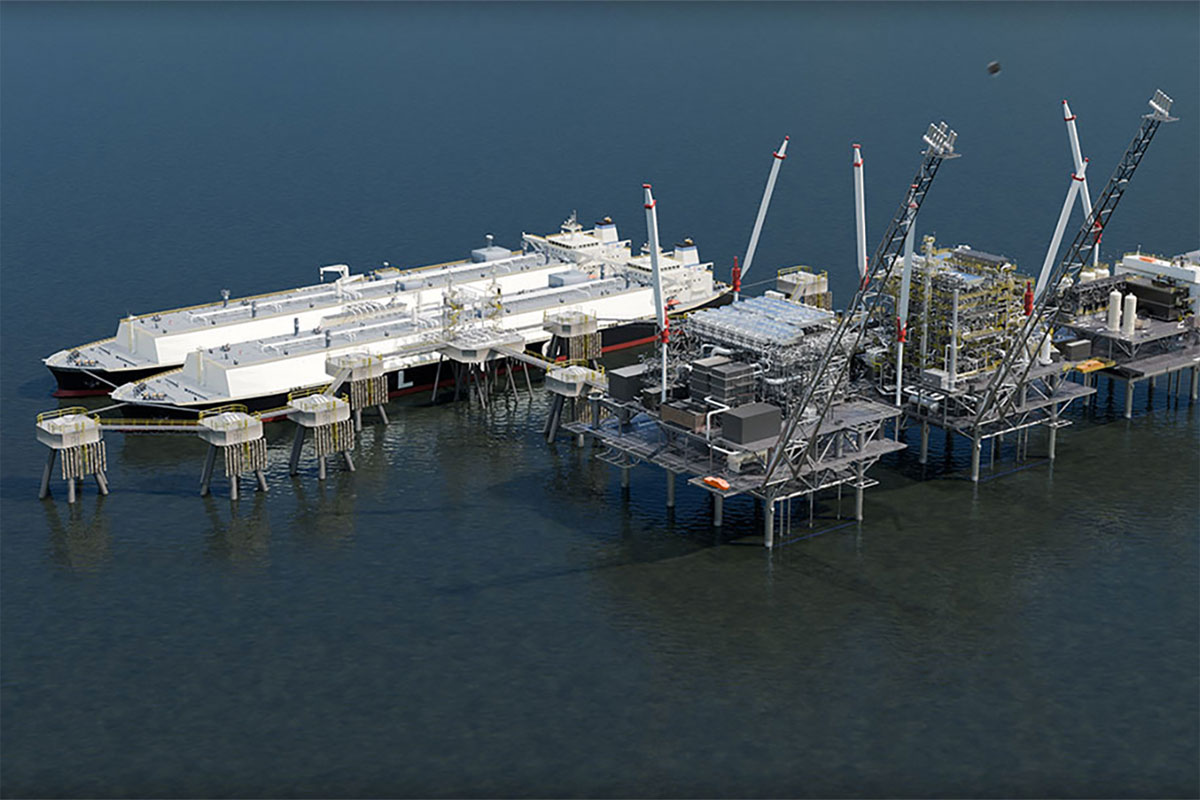
PHMSA to update LNG facility safety standards
The Pipeline and Hazardous Materials Safety Administration published a Notice of Proposed Rulemaking to update LNG regulations, incorporating the 2026 edition of…
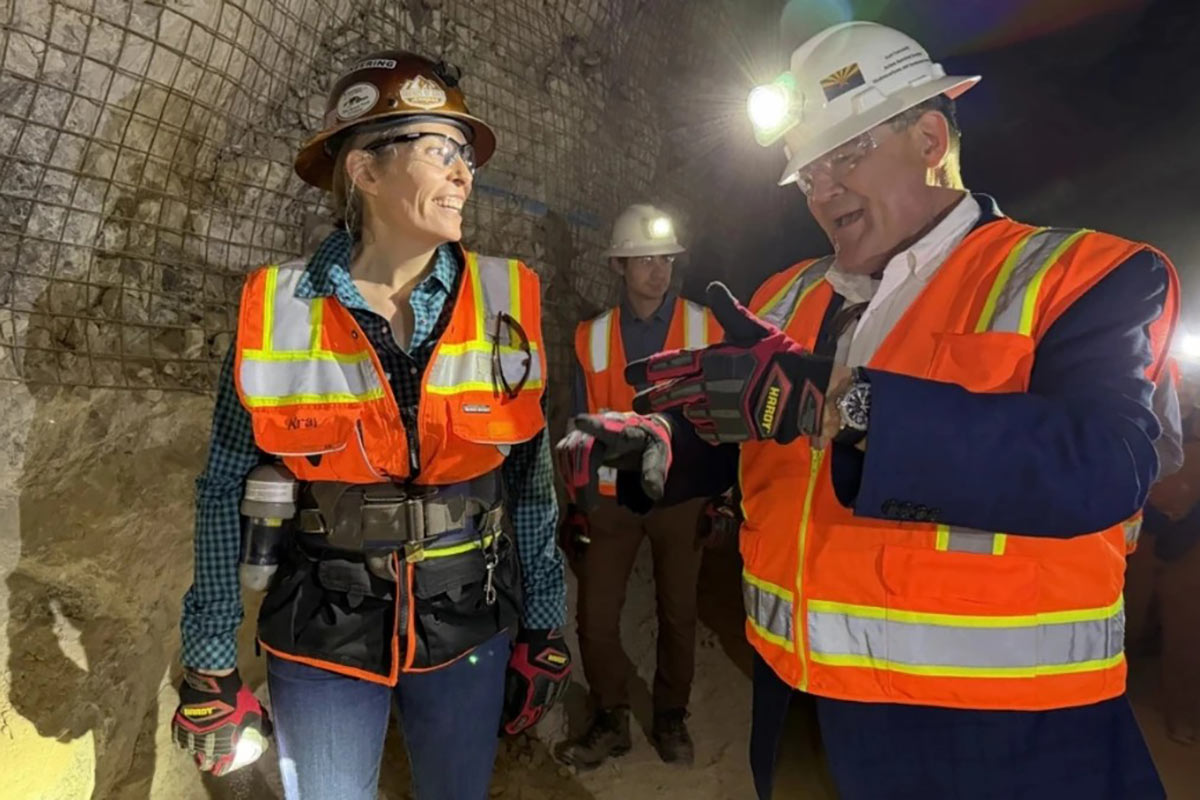
Saelua Medical & University of Arizona receive 2026 MSHA Brookwood-Sago…
MSHA awarded $250K in Brookwood-Sago Grants to two groups focused on innovative mine safety plans and pilot programs for miners in a broad range of positions.
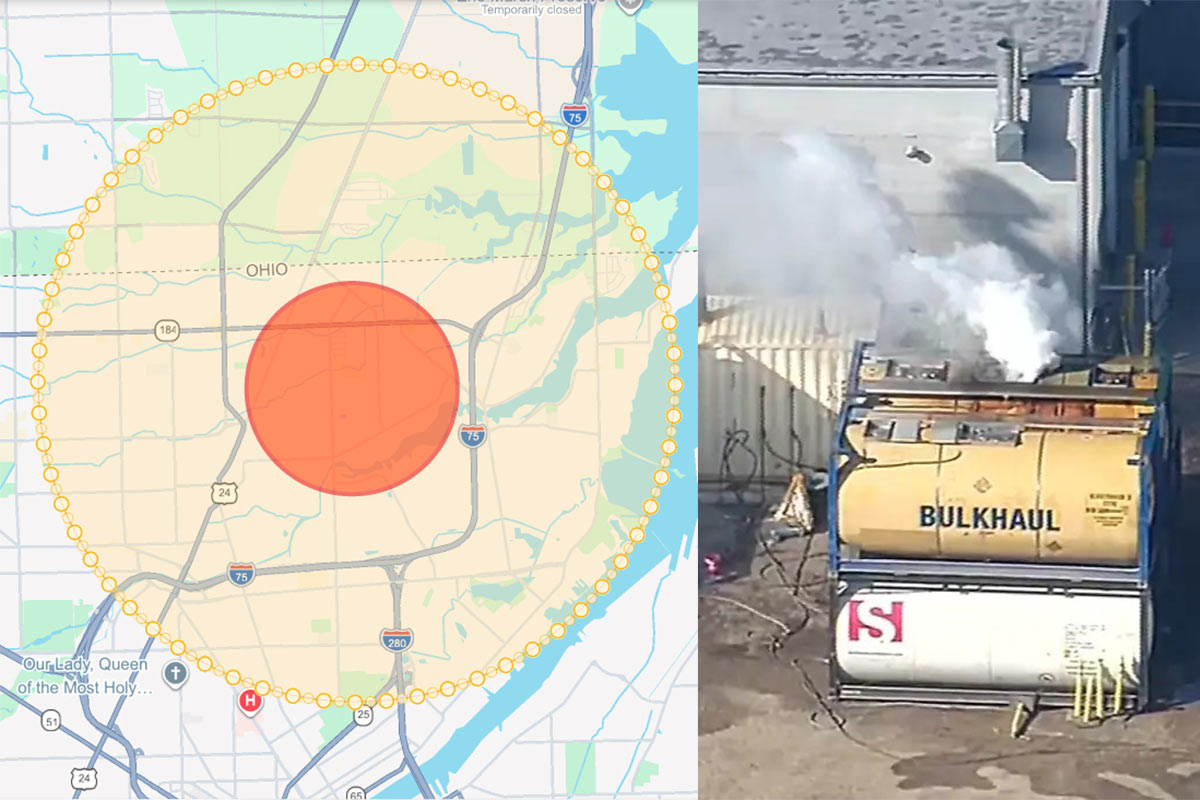
Shipping tank releasing hazardous smoke in Toledo, Ohio
An ISO tank container at MC Tank in Toledo, Ohio began releasing hazardous glycidyl methacrylate last night. The company’s new owner was cited by OSHA for two…
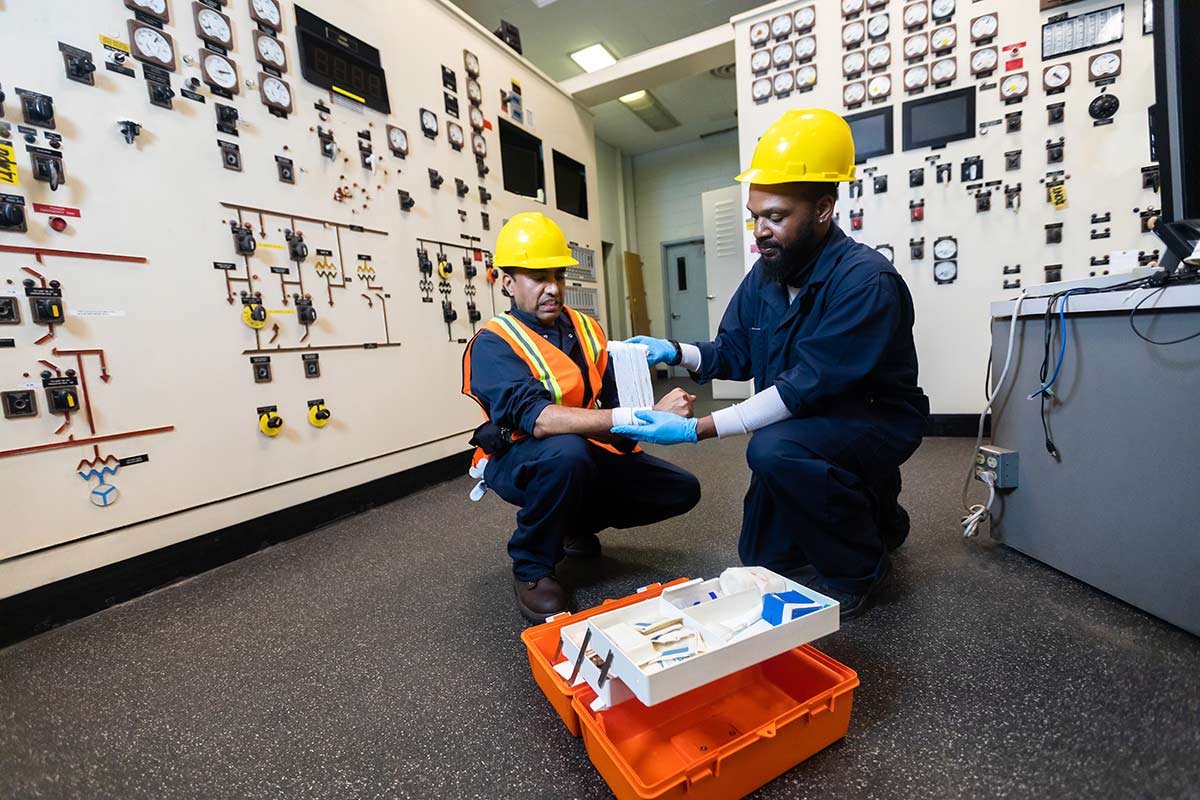
ANSI/ISEA update Z308.1 First Aid standard
Z308.1-2026 includes guidance on bilingual guides, CPR & AED preparedness, mobile work kits, supplemental bleeding control, naloxone, and tourniquets.