Work Safety 24/7

Dedicated to helping businesses and individuals prioritize safety, health, and compliance in the workplace. From small startups to large corporations, safety is essential, and we're here to make it easier.

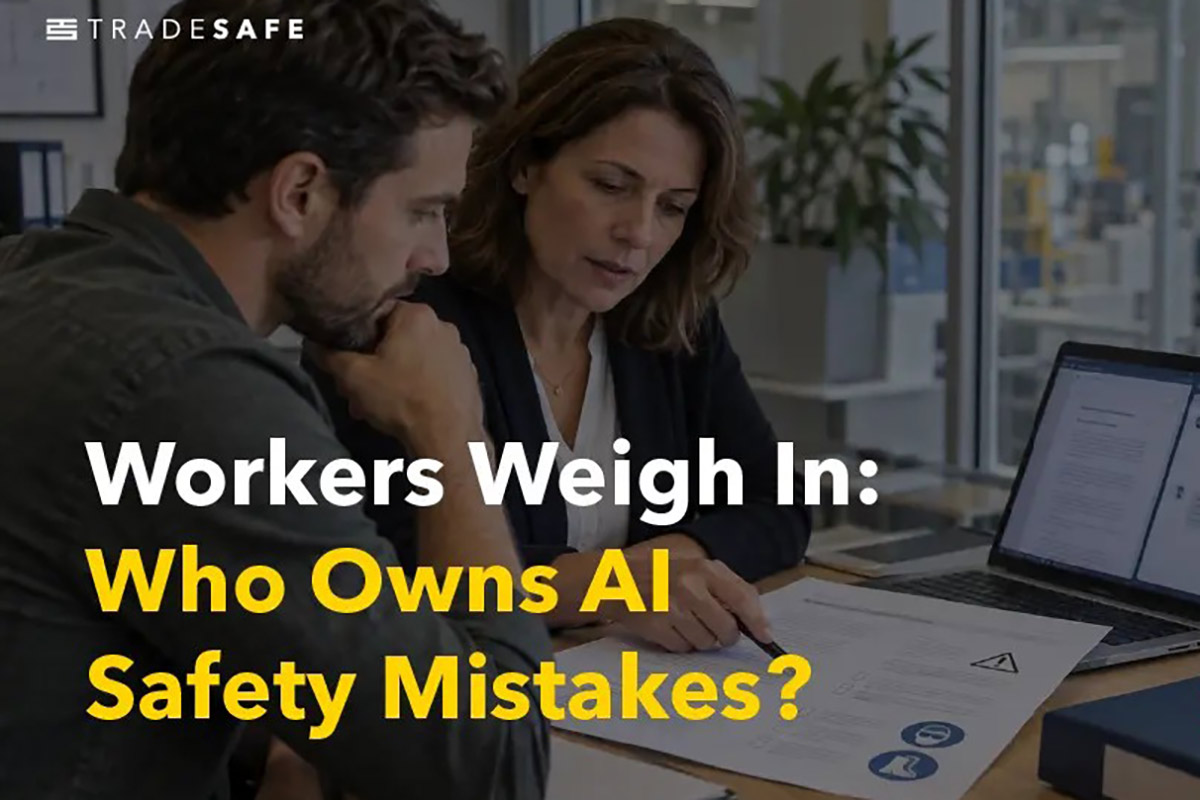
TRADESAFE study finds accountability, safety issues with AI-generated documents

1-in-5 workers reported near misses, minor injuries, & failed inspections

By Work Safety 24/7 Staff 
October 27, 2026

TRADESAFE recently surveyed 514 U.S. workers in manufacturing, construction, warehousing, logistics, and the skilled trades about how AI is being used in safety documentation.

It asked who reviews AI-drafted material, how much workers trust it, and who they’d hold accountable when an AI-assisted error leads to a near miss or an injury.

Lockout/tagout steps, hazard assessments, and toolbox talks used to come from a safety manager’s desk. More and more, a generative AI tool writes the first draft, and that draft doesn't always get checked before it reaches the floor.

When one of those documents gets a step wrong, the people who follow it want to know who answers for it.

Insurance Business reported that insurers have filed 4,078 state-level form adoptions of ISO's generative AI exclusions across 49 states and DC through July 31, covering several commercial insurance lines. That raises the possibility that businesses relying on AI could face gaps in liability coverage when something goes wrong.

Key takeaways from the report

  • Among workers with visibility into document creation, 51% say their company uses generative AI to help write safety documents.
  • Only 18% of workers report a formal policy defining who is accountable when AI-assisted safety content contains an error.
  • One in five workers (20%) report having seen an adverse outcome associated with an AI safety-document error, including near misses, minor injuries, and failed inspections.
  • In the unreviewed-AI injury scenario, 56% look to company leadership or the safety department (28% each), versus 9% who blame the employee handling the document.
  • More than a third of workers (36%) have personally seen an AI-generated safety document with an outdated requirement, vague instruction, or missing hazard step.
  • Nearly two-thirds of workers (63%) would trust a safety policy less if they knew it was partially AI-written, while 78% say qualified human review increases trust.
  • Frontline workers are 45 percentage points less likely than leadership to say they have visibility into how safety documents are created (31% vs. 76%).
Read the full TRADESAFE report
 

More about TradeSafe

Related Topics

Regulatory   Inspections   Software & Technology   Artificial Intelligence   News   Press Release   Generative AI   Injuries   ISO   Leadership   Near Miss   TradeSafe   All topics
 

Subscribe

Subscribe to our FREE magazine, FREE email newsletters or both!

Join our Safety Briefing newsletter and get safety news across logistics, warehousing, manufacturing, con­struc­tion, and other high-risk environments. Get the latest regulatory updates, alerts, safety products, equipment and training, and analysis.
Subscribe today


Editors’ Picks

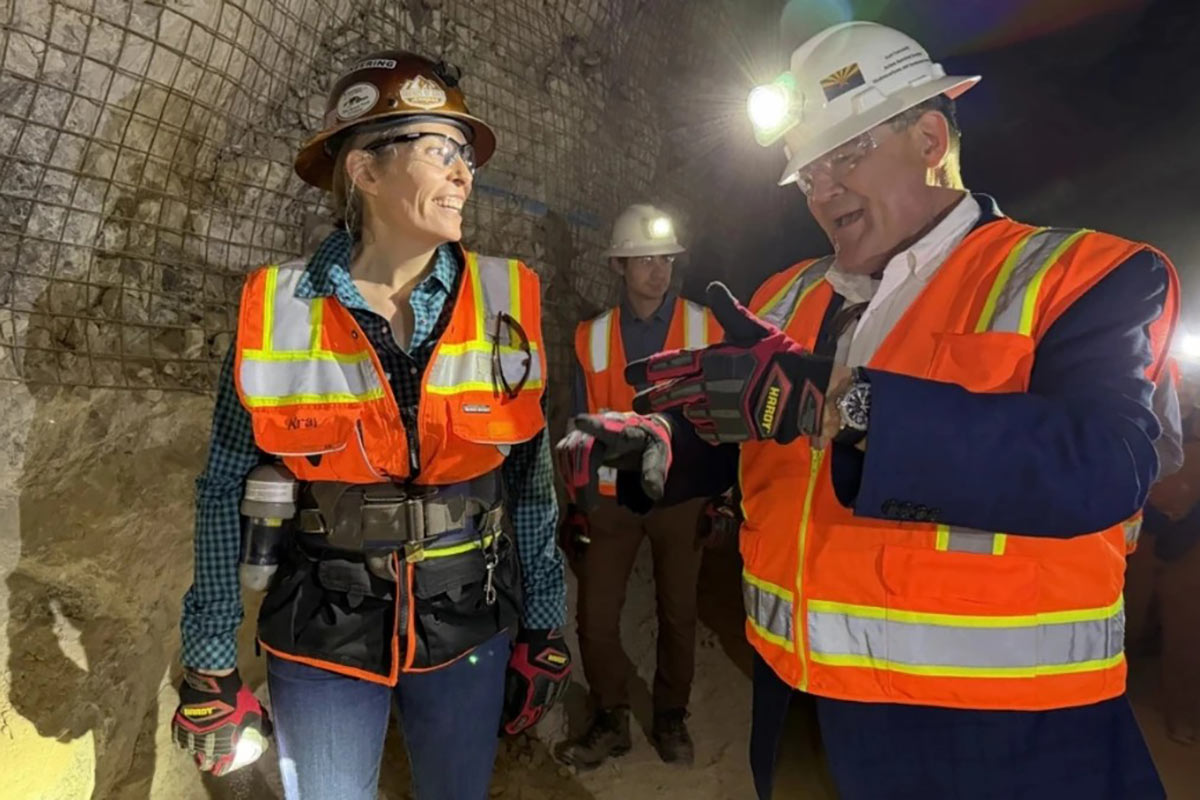
Saelua Medical & University of Arizona receive 2026 MSHA Brookwood-Sago…
MSHA awarded $250K in Brookwood-Sago Grants to two groups focused on innovative mine safety plans and pilot programs for miners in a broad range of positions.
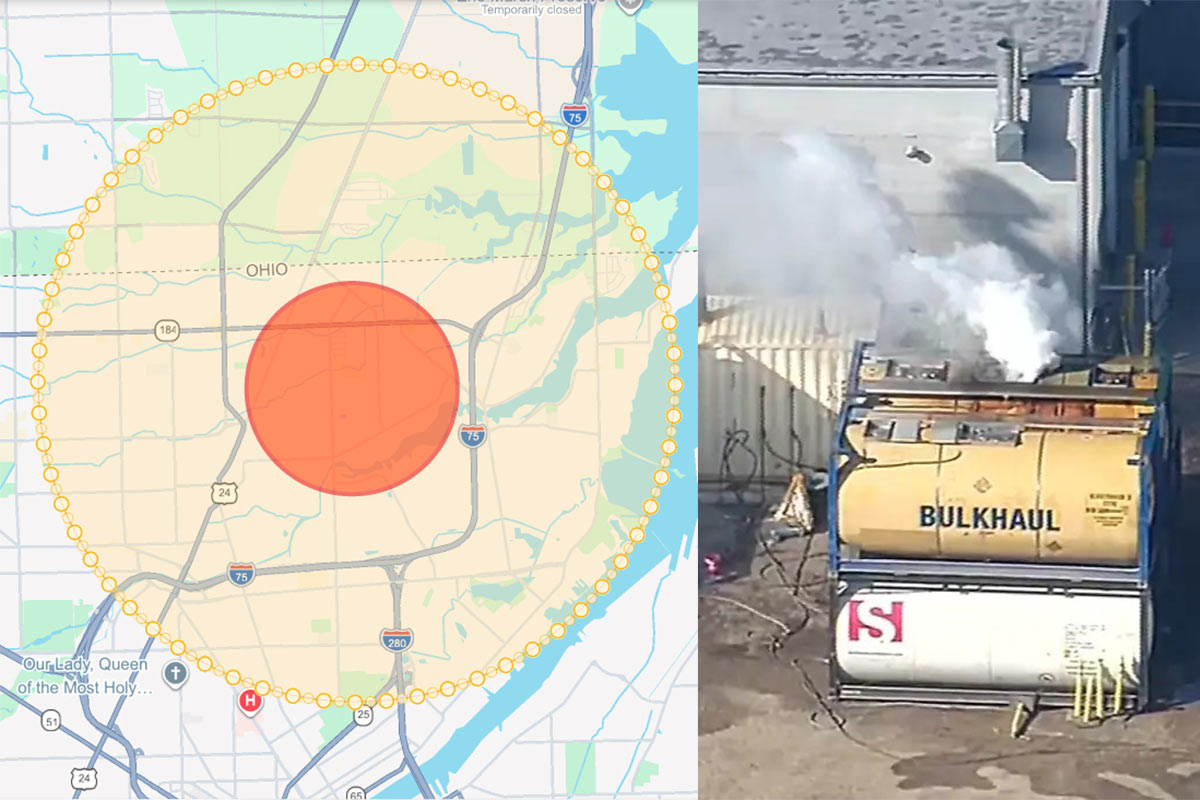
Shipping tank releasing hazardous smoke in Toledo, Ohio
An ISO tank container at MC Tank in Toledo, Ohio began releasing hazardous glycidyl methacrylate last night. The company’s new owner was cited by OSHA for two…
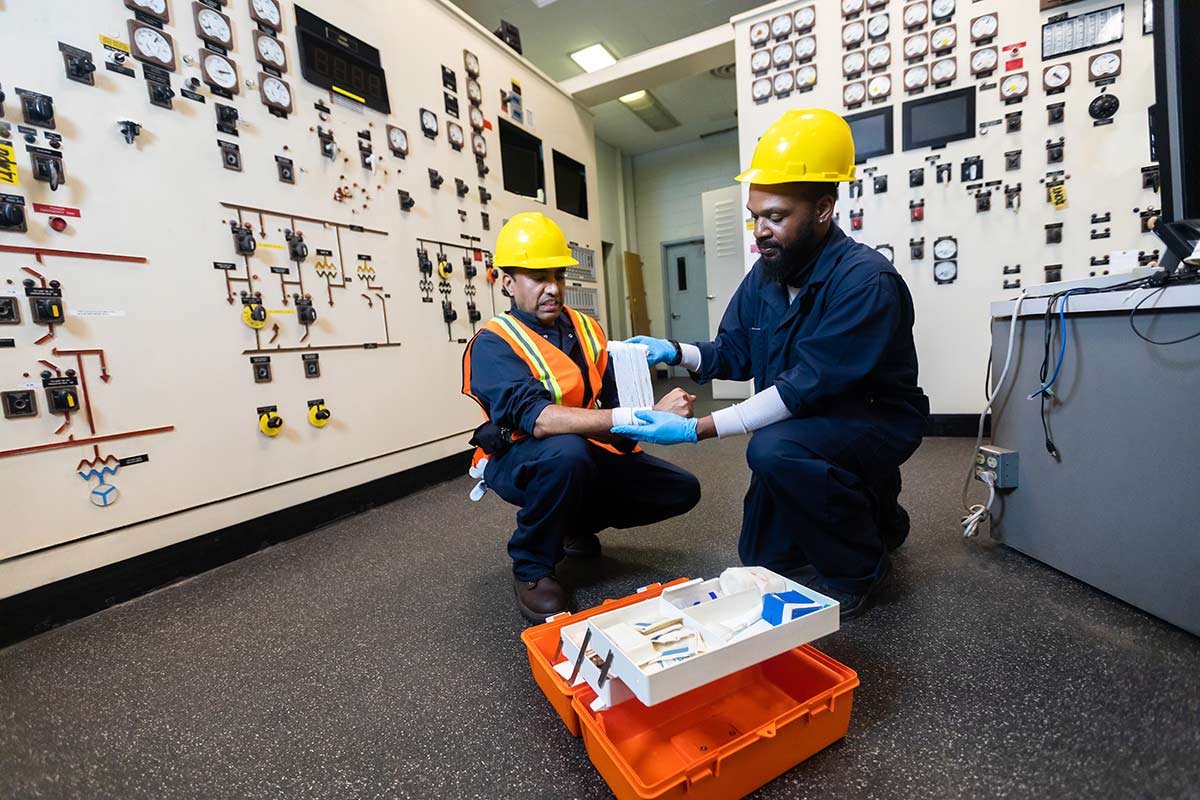
ANSI/ISEA update Z308.1 First Aid standard
Z308.1-2026 includes guidance on bilingual guides, CPR & AED preparedness, mobile work kits, supplemental bleeding control, naloxone, and tourniquets.
NSC Safety 2026 Day 3 Photo Recap: Wednesday, September 16
Wrapping up the 2026 NSC Safety Expo, our team visited a few more booths worth mentioning. Check out the slideshow to learn more about the education,…