Dedicated to helping businesses and individuals prioritize safety, health, and compliance in the workplace. From small startups to large corporations, safety is essential, and we're here to make it easier.


Your guide to OSHA's November 19, 2027 mixture evaluation deadline
By WS247 Editorial Staff · Last updated
OSHA's Hazard Communication Standard (29 CFR §1910.1200) has been updated to align with Revision 7 of the United Nations' Globally Harmonized System of Classification and Labelling of Chemicals (GHS).
OSHA last updated the HCS in 2012 to align with GHS Revision 3, introducing the 16-section SDS format and pictogram-based labels many workers now recognize. Since then, GHS has undergone several revisions, creating regulatory gaps for U.S. companies that ship chemicals across borders, particularly into Canada and other GHS-aligned markets.
In a 2024 rule update, OSHA closed those gaps by aligning HCS primarily with GHS Revision 7 while addressing other implementation issues from its 2012 rule.
The update requires companies that manufacture, import, distribute, or use hazardous chemicals to review how chemical hazards are classified and communicated. Employers may need to update workplace labels, written hazard communication programs, safety data sheets (SDS), and employee training.
The changes also affect how manufacturers and importers classify chemicals and prepare labels and SDSs, creating potential downstream impacts for companies throughout chemical supply chains.
Because the rule touches nearly every element of Appendix C (labels) and Appendix D (SDS content), most existing labels and safety data sheets will need to be revised — not just updated at the margins.
Compliance is staggered. The two substance deadlines have now passed — chemical manufacturers and importers had to evaluate substances by May 19, 2026, and employers had to act on what they received by November 20, 2026. The mixture deadlines are still ahead: manufacturers must evaluate mixtures by November 19, 2027, and employers handling those mixtures must comply by May 19, 2028.
This hub brings together Work Safety 24/7's explainers, news and practical coverage of the HCS update to help employers understand what has changed, what they need to do, and when they need to do it.
January 27, 2026 — the four HCS 2024 compliance dates each moved out by four months. Every date on this page reflects the extension.
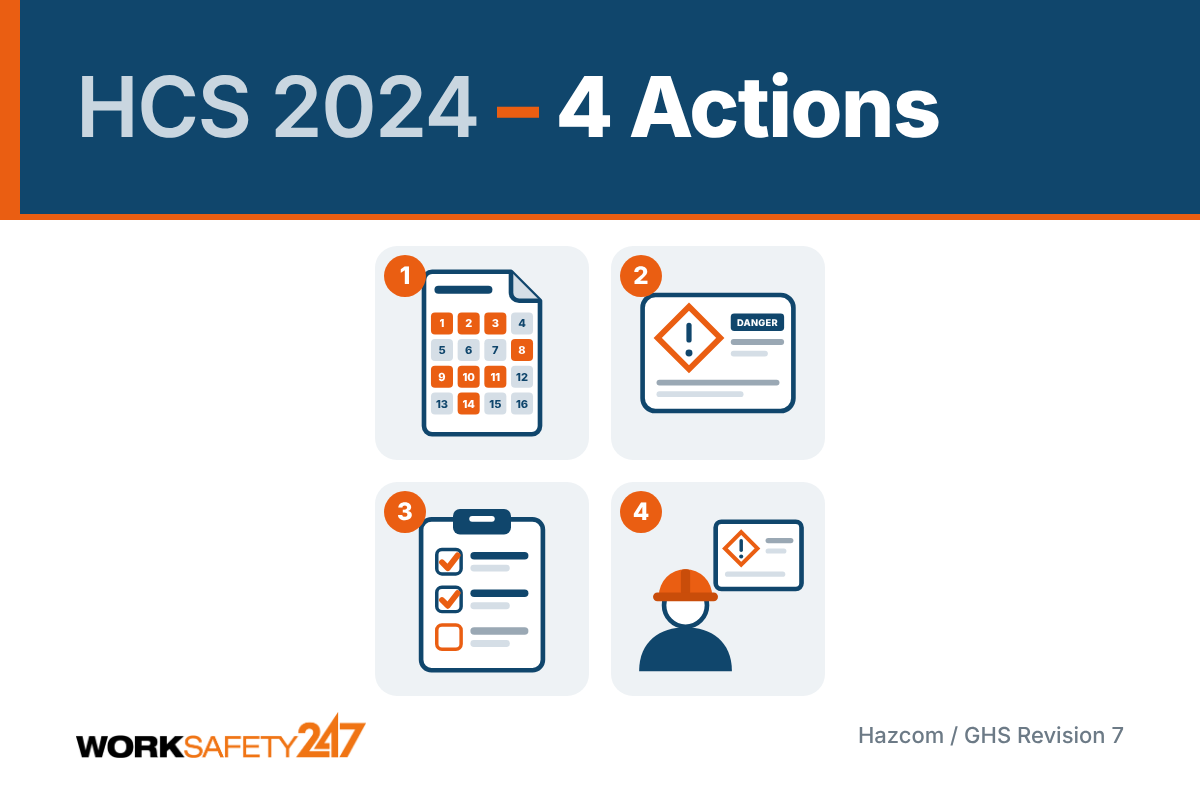
OSHA’s 2024 Hazcom update requires action on SDSs, labels, written programs, and training. See who must act, what changed, and the deadlines for substances and…
Find out what changed on chemical labels under OSHA’s 2024 Hazcom rule, including bulk shipments, small containers, workplace labels, and the deadlines for each.
This article explains where to search for changes, and which sections of your written Hazcom program likely need to be updated to comply with OSHA’s 2024 rules.
You might not need to retrain every employee for OSHA’s 2024 Hazcom update. Learn what triggers new training, what it must cover, and the deadlines.
Short, plain-language summaries of dense source documents: the OSHA final rule, the redline/strikeout text, and the Federal Register notice.
The four key dates, in order: rule published (May 20, 2024), rule effective (July 19, 2024), the January 2026 four-month extension, and the two resulting compliance dates — May 19, 2026 for manufacturers/importers and November 20, 2026 for employers.
Side-by-side comparison of the 2012-standard label and the Rev 7 label: updated hazard pictograms, revised signal word logic, and new precautionary statement language.
The two thresholds that matter: containers of 100 mL or less get abbreviated labels; containers of 3 mL or less need only a product identifier. Fold-out and pull-out label formats are now explicitly allowed.
Manufacturers can now withhold exact concentrations as trade secrets, but must disclose a range from a prescribed list — and the narrowest applicable range must appear on the SDS.
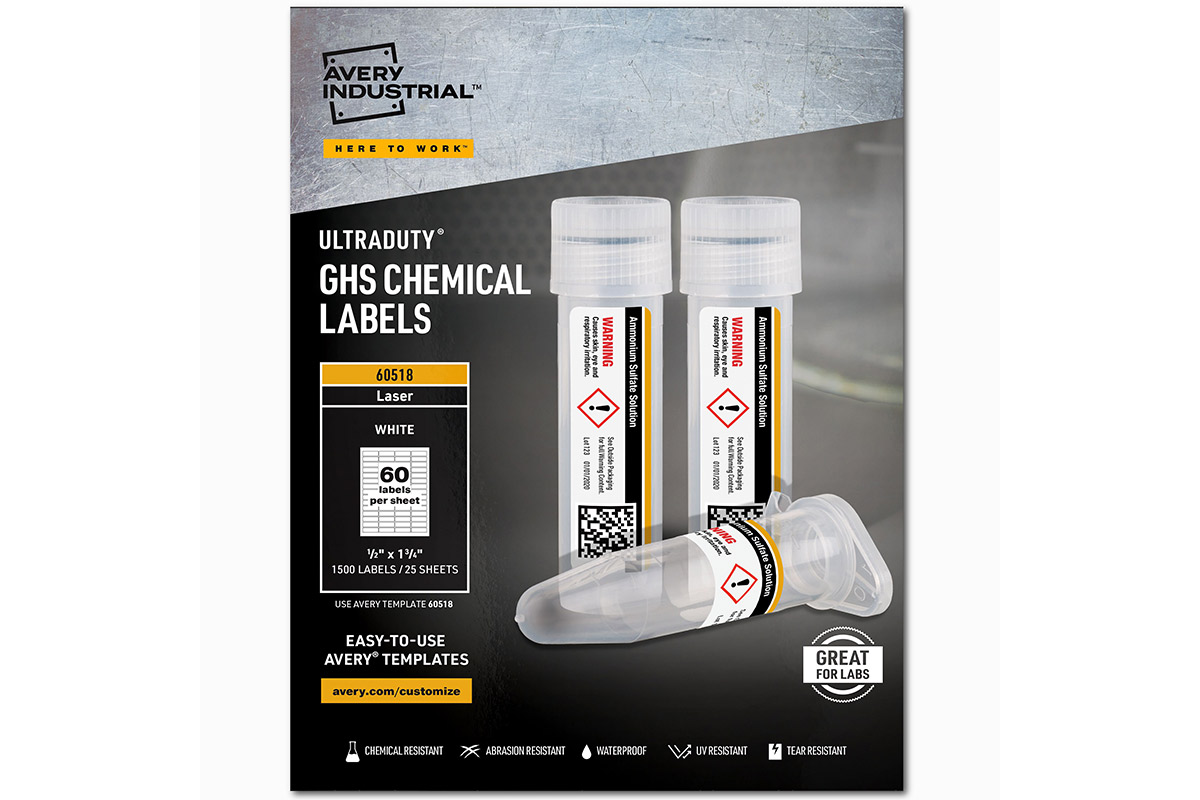
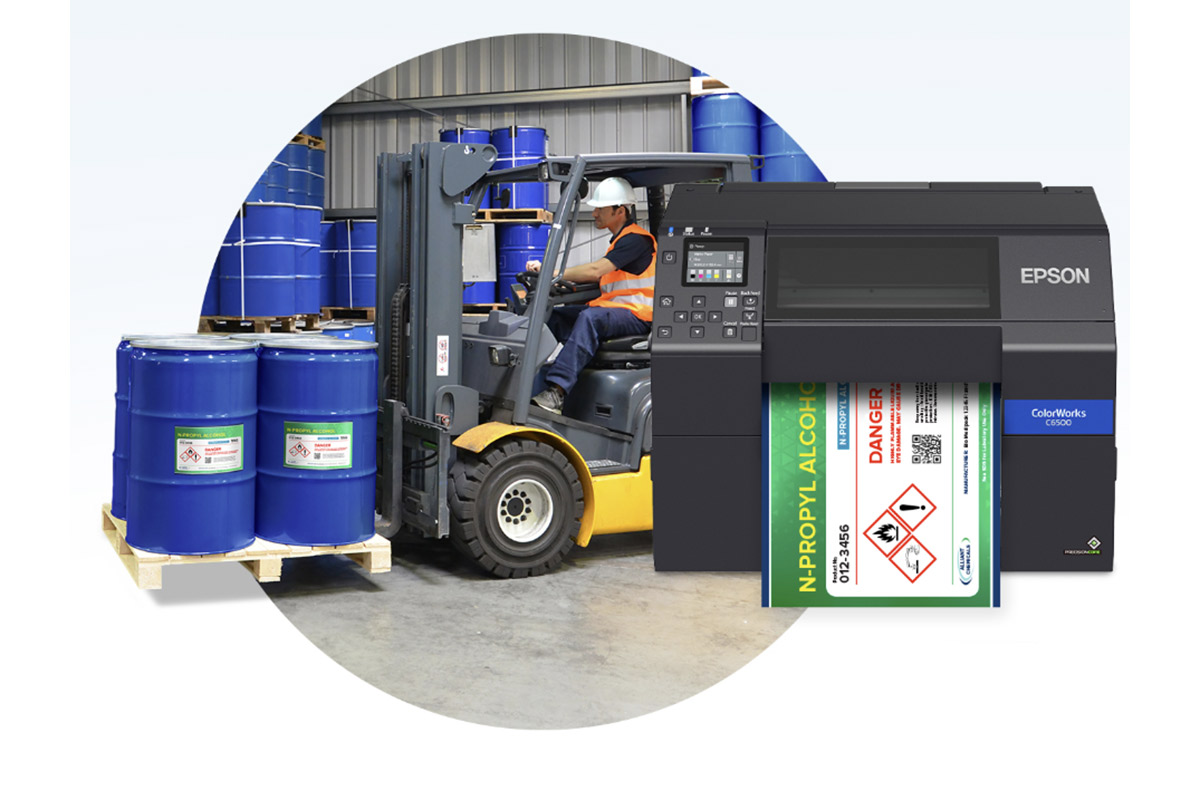
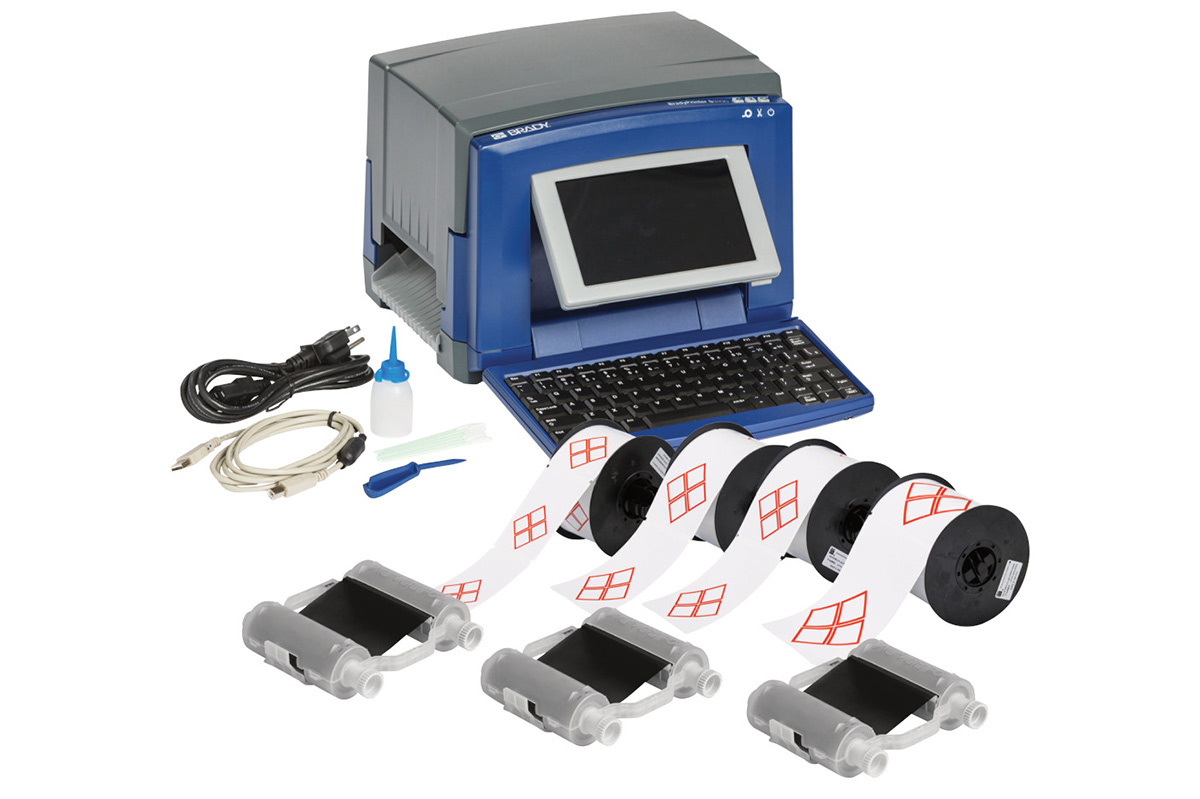
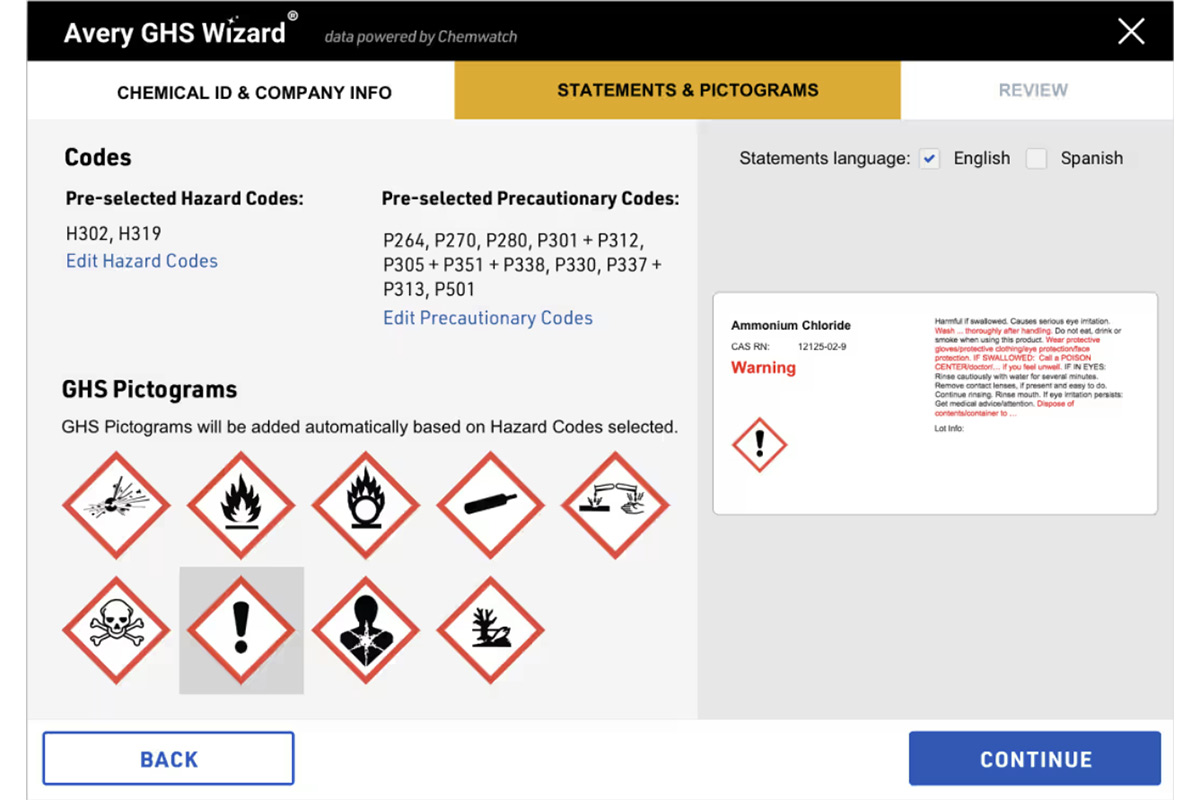
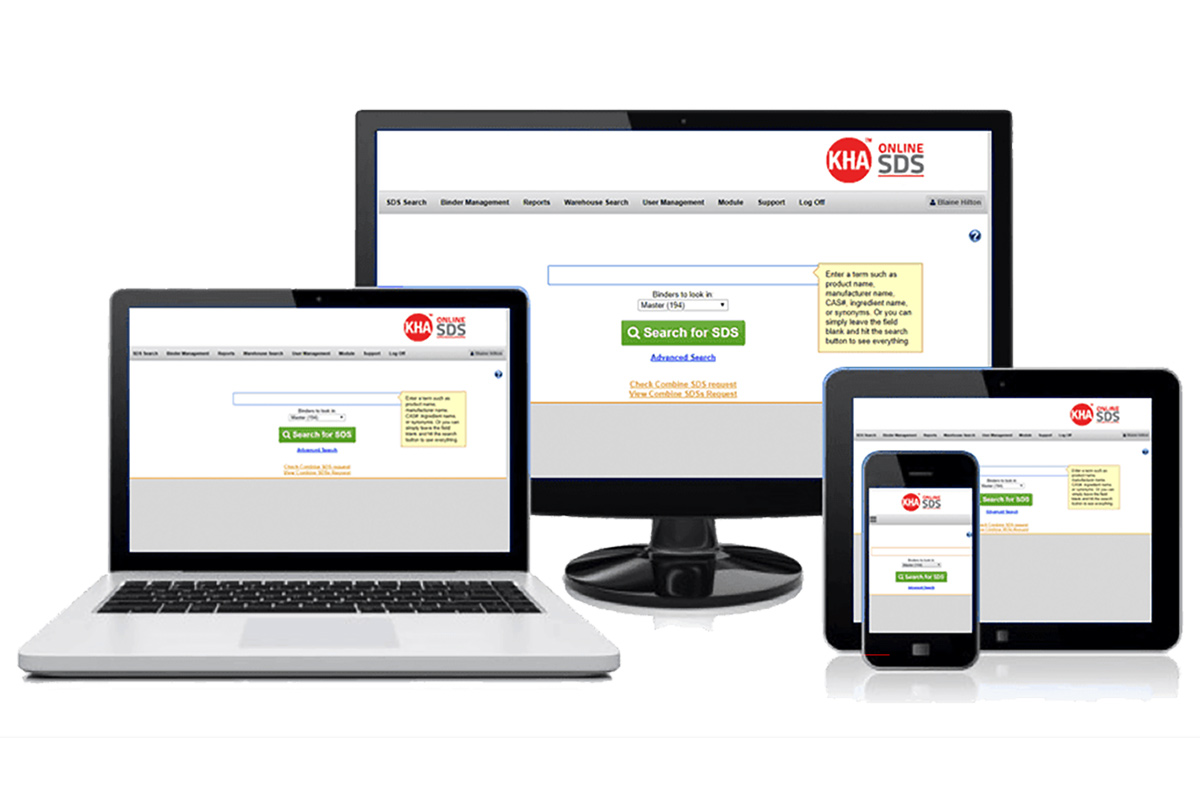
Labeling, SDS management and training products covered by Work Safety 24/7.
The questions employers ask most often about the Rev 7 transition.
The employer compliance deadline for substance control actions is . By that date, any employer whose workplace contains a covered hazardous substance must update workplace labels and SDS, revise their written hazard communication program, and train employees on newly-identified hazards. Chemical manufacturers, importers, and distributors needed to evaluate substances before , and two further deadlines apply to mixtures in 2027 and 2028. Our breakdown of what employers still need to do covers the sequence in detail.
Every employer covered by 29 CFR §1910.1200 must comply. In practice, it applies to any workplace where employees may be exposed to a hazardous chemical, along with the chemical manufacturers, importers, and distributors who classify and label those products. The standard reaches well beyond chemical plants: warehouses, maintenance shops, laboratories, printing operations, and construction sites are all covered by the standard when hazardous chemicals are present.
The 2024 final rule updates hazard classification criteria, label content, and SDS requirements to align with Revision 7 of GHS, together with selected provisions from Revision 8. The changes employers notice first are revised precautionary and signal-word language on labels, new allowances for labeling very small containers, and new requirements covering chemicals already released for shipment.
Containers holding 100 mL or less may carry an abbreviated label where a full GHS label will not fit, and containers holding 3 mL or less need only a product identifier on the immediate container where a label would interfere with normal use. Those are the two thresholds that matter. The rule also explicitly permits fold-out, pull-out, and tag-style label formats to satisfy the full-label requirement.
Not every employee — but every employee affected by a newly-identified hazard. The standard requires training whenever a new chemical hazard is introduced into an employee's work area, so the real scope depends on how many of your products come back with revised classifications or label elements. Training that cannot be documented is difficult to defend in an inspection, so record what was covered and when.
Hazard communication is one of OSHA's most-frequently cited standards year after year, and citations can be issued for outdated container labels, a written program that no longer matches the workplace, or employees untrained on new hazards. Penalties are assessed per violation, with substantially higher maximums for willful or repeated violations, and the figures adjust annually for inflation. OSHA publishes the current amounts in its penalty table.
Plan to comply by the current dates. The schedule already reflects a four-month extension, and no further relief has been announced. Dependency is what makes waiting risky: manufacturers must supply reclassified labels and SDS before employers can update workplace labeling and training against them, so an employer who starts late is waiting on someone else's timeline as well as their own.
Manufacturers, importers, and distributors come first: they must reclassify their products and ship compliant labels and safety data sheets before anyone downstream can act on them. Employers then have additional time to bring workplace labeling, the written program, and employee training into line with what they receive. Substances and mixtures run on separate schedules, which is why four dates apply rather than two.
Don't miss a single news story, product review or safety resource. Subscribe to our newsletter for the latest safety news, updates, and exclusive offers.