Work Safety 24/7

Dedicated to helping businesses and individuals prioritize safety, health, and compliance in the workplace. From small startups to large corporations, safety is essential, and we're here to make it easier.

ASSP updates five A10 construction and demolition safety standards

Revisions to personnel elevators, netting, drilled shafts, & emergency response standards

The Case for Safety: What's New in A10?

 
ASSP updates five A10 construction and demolition safety standards
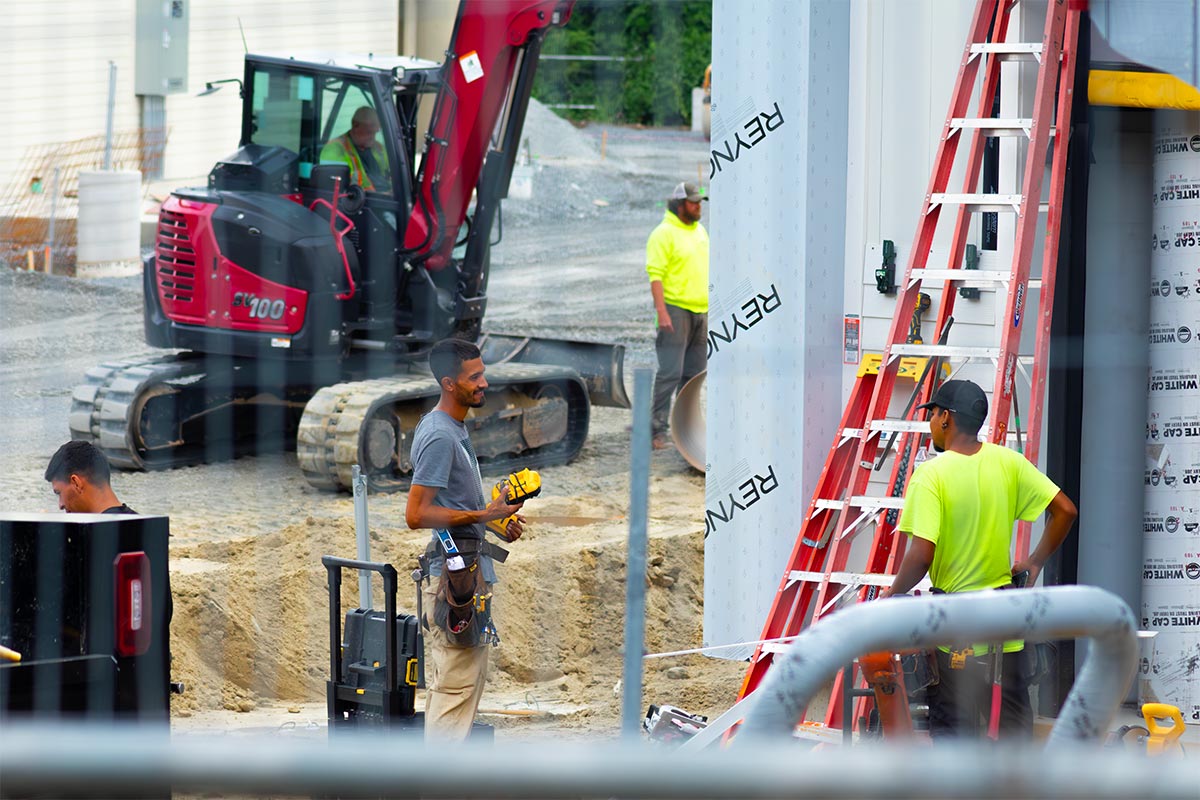
Source: Donald Halsing | Industrial Stock Photography
The ANSI/ASSP A10 voluntary national consensus standards provide employers with practical guidance to identify hazards, establish safe practices, and continuously improve safety and health.
By Work Safety 24/7 Staff 
June 9, 2026

The American Society of Safety Professionals (ASSP) recently revised five A10 construction and demolition safety standards.

ASSP said the updates reflect current industry practices and strengthen worker protection by promoting consistent and verifiable construction and demolition safety practices, and will help prevent worker injuries, illnesses, and fatalities on jobsites.

The revised standards are part of the ANSI/ASSP A10 Construction & Demolition Standards group, which establish safety and health requirements for a broad range of construction and demolition operations.

Updated A10 voluntary consensus standards

  • A10.4 Personnel Hoists and Employee Elevators: Includes new requirements for rope-guided and non-guided worker hoists into a dedicated section of the standard. The revision also introduces clearer requirements through an expanded hierarchy of responsibility addressing inspection, training, and record retention.
  • A10.11 Personnel Nets: Enhances requirements for the selection, installation, testing, and use of safety nets to protect workers performing construction, repair, and demolition work at elevated heights when primary fall arrest gear or guardrails are not practical.
  • A10.23 Installation of Drilled Shafts: Revises safety requirements for deep foundation construction and demolition operations through site-specific safety planning, restricted access zones, and safeguards for equipment operation.
  • A10.26 Emergency Procedures for Construction Sites: Strengthens guidance for emergency preparedness and pre-planning on construction and demolition sites, including procedures for fires, structural collapses, hazardous materials spills, and medical emergencies to support effective rescue, first aid, and evacuation efforts.
  • A10.37 Debris Nets: Updates requirements for the design, selection, installation, testing, and use of debris net systems to help contain falling tools and materials - including concrete - protecting workers, pedestrians, and nearby structures from construction hazards.

Voluntary standards provide employers with practical guidance

The standards revisions were led by the ANSI/ASSP A10 Standards Committee, which includes hundreds of representatives from academia, construction/demolition companies, engineering companies, consulting organizations, general interest groups, labor unions, and professional societies. The committee helps ensure the A10 standards reflect current industry practices, technological advancements, and emerging safety and health challenges.

“Construction and demolition remain one of the nation’s highest-risk industries, making current and effective safety and health standards and guidelines essential,” says John Johnson, Committee chair. “These revisions reflect the realities of today’s jobsites and provide employers and workers alike with practical guidance to address hazards and prevent serious injuries and fatalities (SIFs). By adopting these updated practices, organizations can better identify and reduce workplace risks, helping protect workers.”

ASSP said the construction industry employs nearly 8 million workers in the United States and consistently experiences one of the highest rates of workplace fatalities among all industries. The A10 voluntary national consensus standards provide employers with practical guidance to identify hazards, establish safe practices, and continuously improve safety and health performance.

The Case for Safety: What's New in A10?

Learn more and purchase A10 standards
 

More about ASSP

Related Topics

Regulatory   Industry Standards   Inspections   Training   Safety Products   Emergency Response   First Aid   Gates & Fences   PPE   Fall & Overhead Protection   News   Breaking News   Safety Alerts   Media   Video   Press Release   ANSI   ASSP   Emergency Action Plan   Fatalities   Fires   Hazard Identification   Hazardous Materials   Health   Illness   Injuries   Personnel Elevators   SIF   Test   All topics
 

Subscribe

Subscribe to our FREE magazine, FREE email newsletters or both!

Join our Safety Matters newsletter and get safety news across logistics, warehousing, manufacturing, con­struc­tion, and other high-risk environments. Get the latest regulatory updates, alerts, safety products, equipment and training, and analysis.
Subscribe today


Editors’ Picks

ITA Hosts 13th annual National Forklift Safety Day event
The Industrial Truck Association’s National Forklift Safety Day 2026 event was a forum for sharing material handling safety insights, reinforcing regulatory…
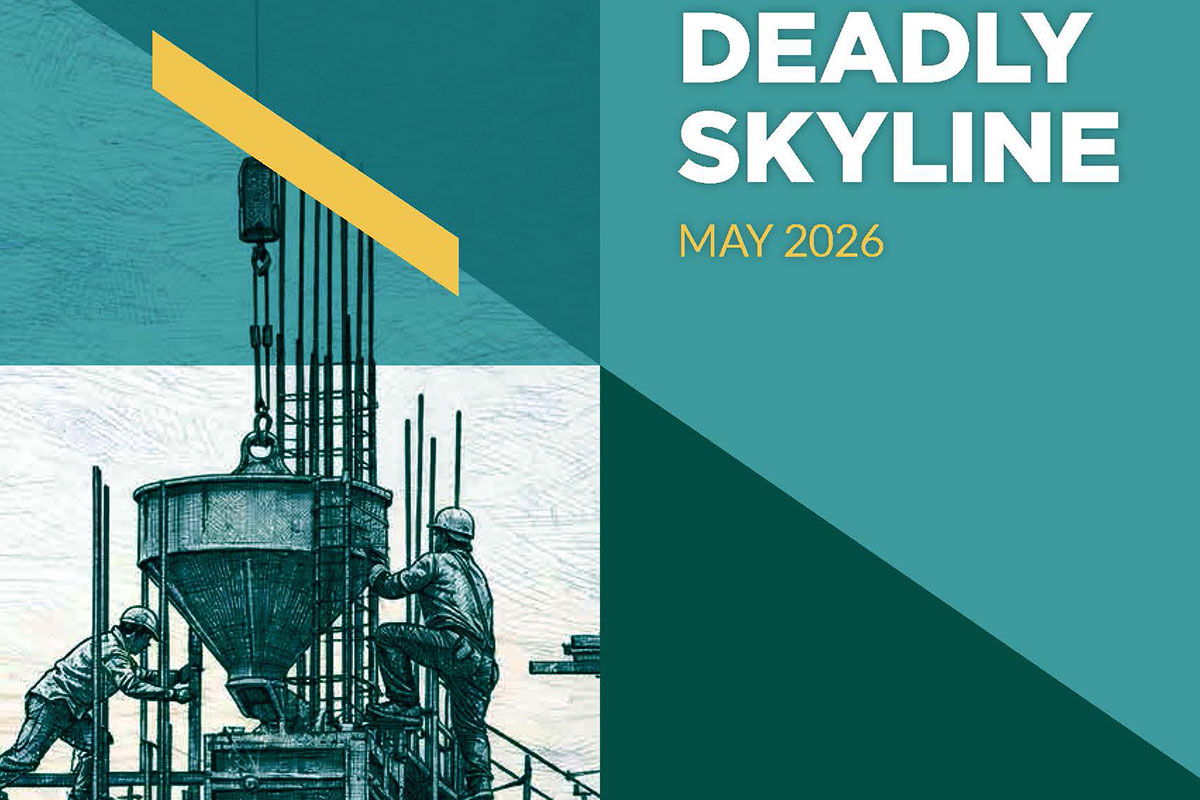
NYCOSH releases 2026 Deadly Skyline Report
In its 2026 Deadly Skyline report, the N.Y. Committee for Occupational Safety & Health called for preventing construction owners tied to incidents from…
Colorado workplace safety bill defeated by one vote in state Senate
The Colorado State Senate defeated HB26-1054, which would have allowed the state to enforce repealed federal OSH laws, but passed HB26-1272, requiring heat…
Call for OSHA NEP on SIF prevention at House Workforce Protections Subcommittee
Safety professionals emphasized using leading safety indicators, in contrast to OSHA’s current lagging indicators, during a May 13 House Workforce Protections…