Dedicated to helping businesses and individuals prioritize safety, health, and compliance in the workplace. From small startups to large corporations, safety is essential, and we're here to make it easier.


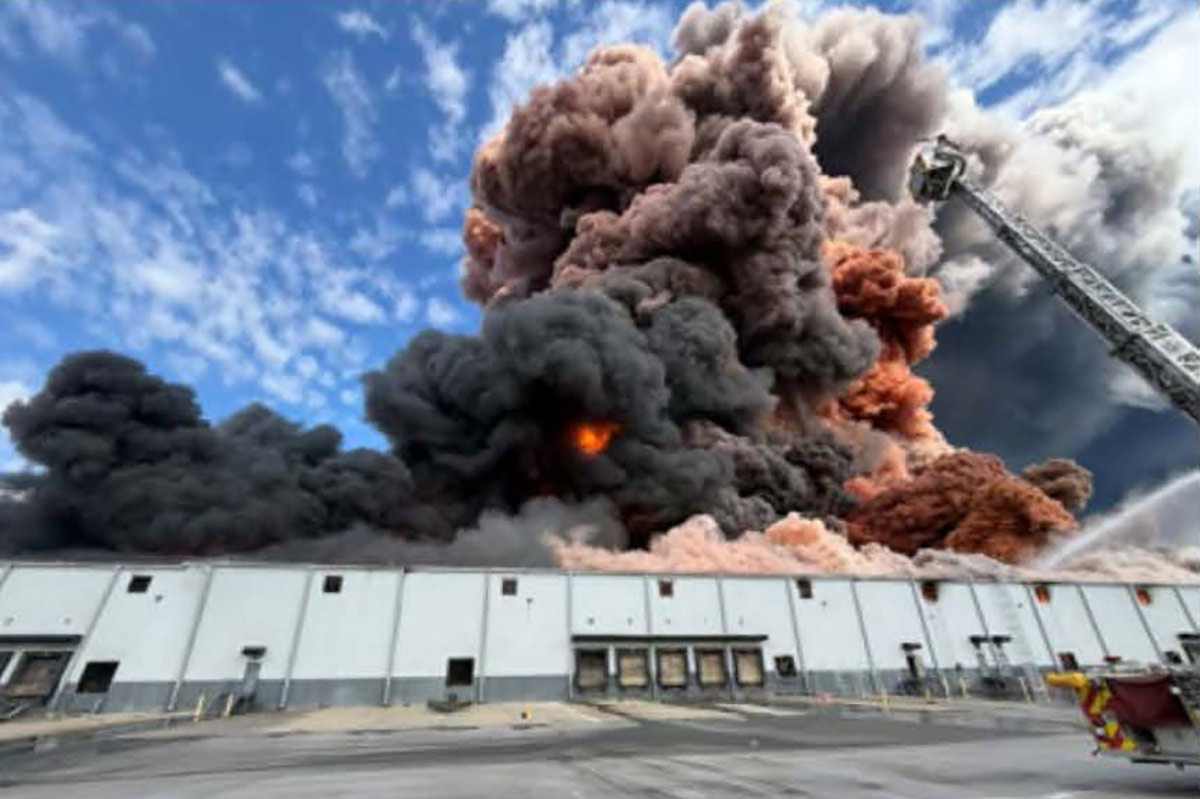
The CSB released its final investigation report this week into the massive Sept. 29, 2024, chemical fire and toxic gas release at the KIK Consumer Products Bio-Lab in Conyers, Georgia.
The incident occurred when water leaked from a corroded sprinkler and came in contact with highly-reactive pool treatment chemicals stored in the warehouse, causing a chemical reaction that resulted in off-gassing, significant heat, fires, and a massive plume of toxic smoke that contained chlorine, hydrogen chloride, bromine, and other substances.
Local media reported roughly 17,000 people in the surrounding community were evacuated and 90,000 people in the Atlanta metropolitan area were advised to shelter in place due to the toxic smoke from the fires.
“The conditions and circumstances at the Bio-Lab Conyers warehouse were completely unacceptable. There were nearly 14 million pounds of reactive chemicals stored in the warehouse without proper safeguards in place. These hazardous chemicals were packaged in roughly 5,000 giant sacks, each weighing more than a ton, and some of them were stacked in such a way in the warehouse that responders were not able to keep the initial situation from developing into a catastrophic fire and massive plume of toxic smoke that put thousands of people potentially at risk.”
— CSB Chairperson Steve Owens
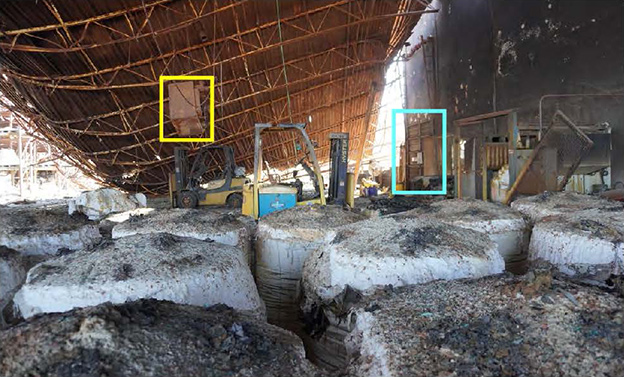
Bio-Lab, Inc., which is a subsidiary of KIK Consumer Products (KIK), produces water treatment products for swimming pools and spas. The Conyers warehouse, known as Plant 12, was constructed in 2019.
In June 2019, prior to the construction of the warehouse, documentation was submitted to local authorities stating an “average inventory” of approximately 6.2 million pounds of raw materials, including oxidizers, was anticipated to be stored in the warehouse.
At the time of the incident in Sept. 2024, however, nearly 14 million pounds of chlorinated isocyanurates and other reactive chemicals were stored in the warehouse, more than twice the amount initially indicated to local officials.
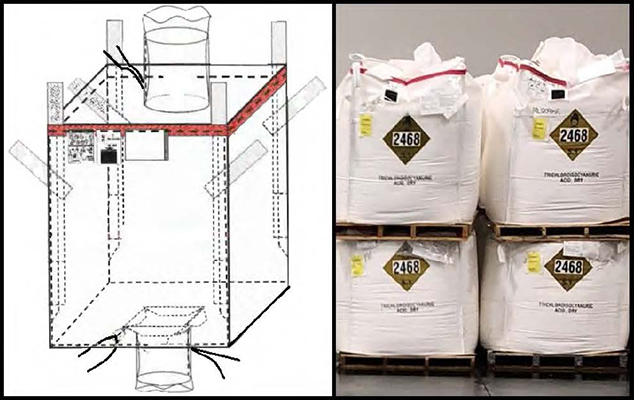
Chlorinated isocyanurates are used as sanitizers for swimming pools, spas, and industrial water applications due to their available chlorine content. However, high chlorine content in these compounds can also make them hazardous to handle and store.
They must be stored in a cool, dry, well-ventilated area. Exposure to heat or small amounts of water or moisture can cause oxidizers, such as chlorinated isocyanurates, to undergo a dangerous decomposition reaction, which can release toxic vapors and produce intense heat that can lead to fires or explosions.
Inventory records indicate that at the time of the incident, approximately 5,000 “super sacks” containing between 2,205 to 2,805 pounds of chlorinated isocyanurates each were present inside the Plant 12 warehouse.
The super sacks’ woven polypropylene outer bags were not waterproof and did not prevent moisture from coming into contact with the chlorinated isocyanurates in the sacks.
The warehouse was not air-conditioned, and its ventilation system was insufficient to effectively manage humidity (moisture) levels inside the building, especially in light of the large quantities of oxidizer chemicals stored there.
The CSB’s investigation found components of the sprinkler system inside Plant 12 had been experiencing significant corrosion and leaking since shortly after Bio-Lab began storing chlorinated isocyanurates in the warehouse in 2019.
The huge super sacks containing the chlorinated isocyanurates would naturally off-gas chlorine fumes that combined with ambient humidity in the warehouse and condensed as hydrochloric acid droplets on metal surfaces such as sprinkler heads - leading to corrosion of the metal.
In fact, during an annual sprinkler inspection held in Dec. 2023 - nine months prior to the incident - over 1,100 sprinkler heads in the Plant 12 warehouse were visually observed to be corroded.
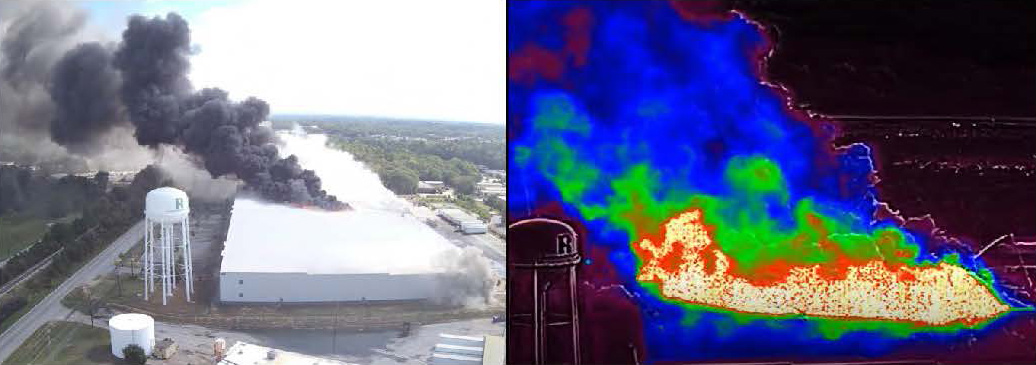
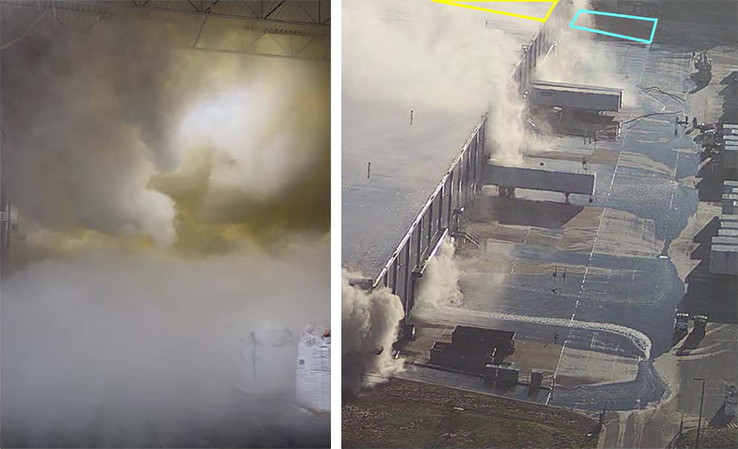
The CSB’s investigation further found that around 5:00 a.m. on the day of the incident, a corroded sprinkler system component failed, allowing water to contact the chlorinated isocyanurates inside the Plant 12 warehouse, initiating a decomposition reaction.
The reaction generated significant heat and activated other sprinkler heads in the warehouse, wetting more chlorinated isocyanurates and other chemicals, including cyanuric acid, aluminum sulfate, and sodium bromide, some of which also reacted.
The multiple reactions generated substantial additional heat, which further led to the decomposition of products, and subsequently caused significant plumes of smoke, toxic vapors, and fires within the building.
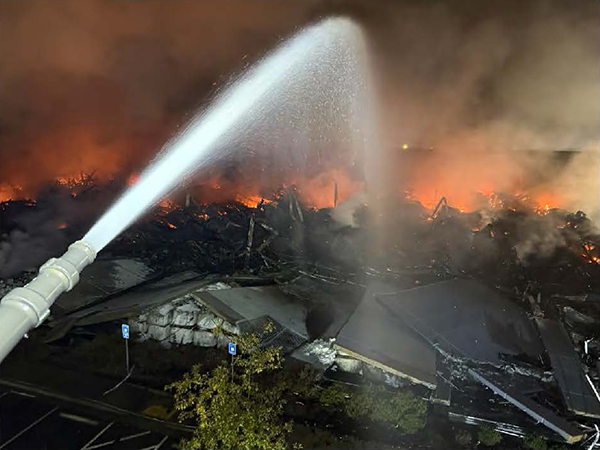
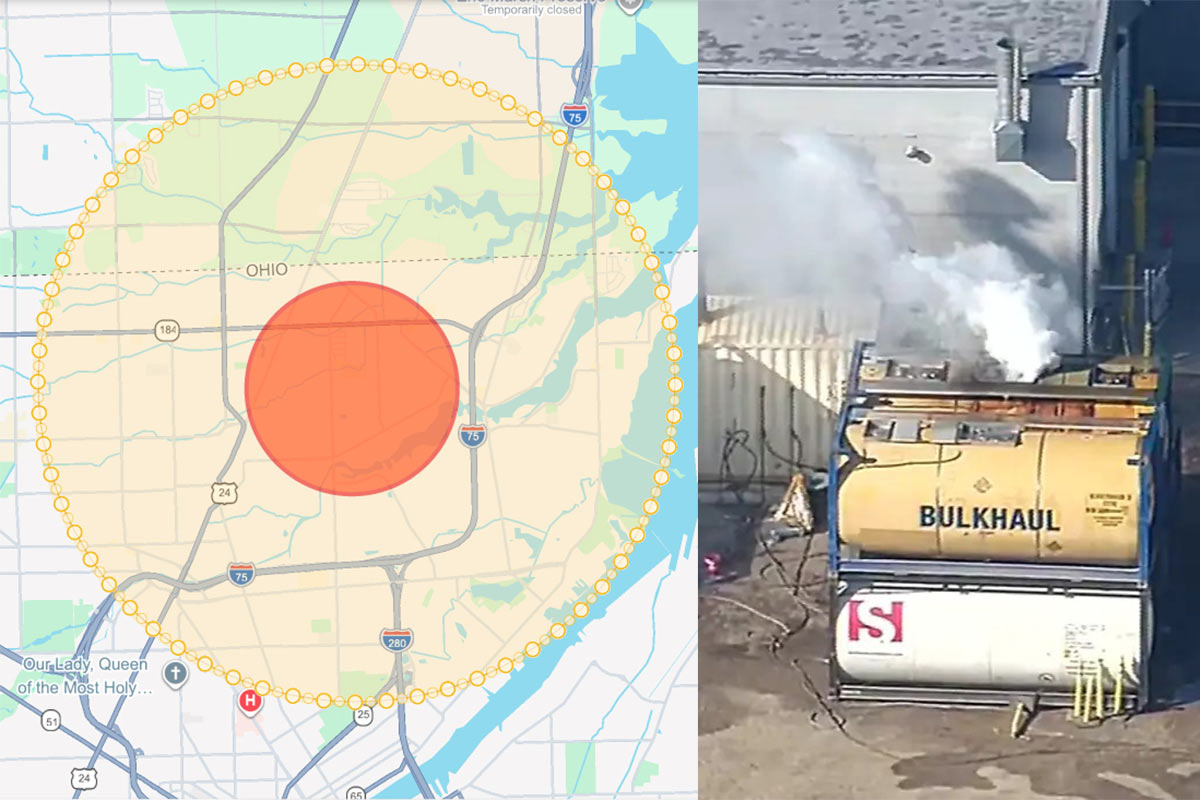
In addition to initial evacuations and shelter-in-place orders reported by local media, nightly shelter-in-place warnings were issued to residents and the surrounding community within a two-mile radius over the ensuing 17 days during the emergency response phase. Nearby schools remained closed for nearly two weeks.
Ultimately, the warehouse was destroyed. On May 15, 2025, KIK decided to cease operations at the Bio-Lab Conyers facility.
The CSB found five key safety issues that led to the severity of the incident:
“There have been several other incidents in recent years involving pool treatment chemicals that resulted in the release of chlorine gas or other potentially toxic by-products, including the Sept. 2020 incident at the Bio-Lab Lake Charles facility in Westlake, Louisiana, that was investigated by the CSB. Although the chlorinated isocyanurates and other substances involved in this incident have reactive characteristics and the inherent ability to produce toxic gas, they are not covered by the U.S. Occupational Safety and Health Administration’s Process Safety Management standard or the U.S. Environmental Protection Agency’s Risk Management Plan rule.”
— CSB Lead Investigator Vonzella Vincent
As a result of its investigation, the CSB reiterated recommendations it has previously made to OSHA and the EPA to expand regulatory coverage of reactive hazards that could have catastrophic consequences. The CSB also made recommendations to KIK and the National Fire Protection Association (NFPA).
“The CSB has been calling for greater regulatory coverage of reactive chemicals since 2002. We urge OSHA and the EPA to act to expand coverage of these hazardous chemicals so that severe incidents, like the one at Bio-Lab Conyers, do not keep happening. These incidents negatively impact workers and the surrounding communities.”
— CSB Board Member Sylvia Johnson


The U.S. Chemical Safety Board (CSB) is an independent, nonregulatory federal agency that investigates the root causes of major chemical incidents. The Board does not issue citations or fines, but makes safety recommendations to companies,…
Join our Safety Briefing newsletter and get safety news across logistics, warehousing, manufacturing, construction, and other high-risk environments. Get the latest regulatory updates, alerts, safety products, equipment and training, and analysis.
Don't miss a single news story, product review or safety resource. Subscribe to our newsletter for the latest safety news, updates, and exclusive offers.