Dedicated to helping businesses and individuals prioritize safety, health, and compliance in the workplace. From small startups to large corporations, safety is essential, and we're here to make it easier.


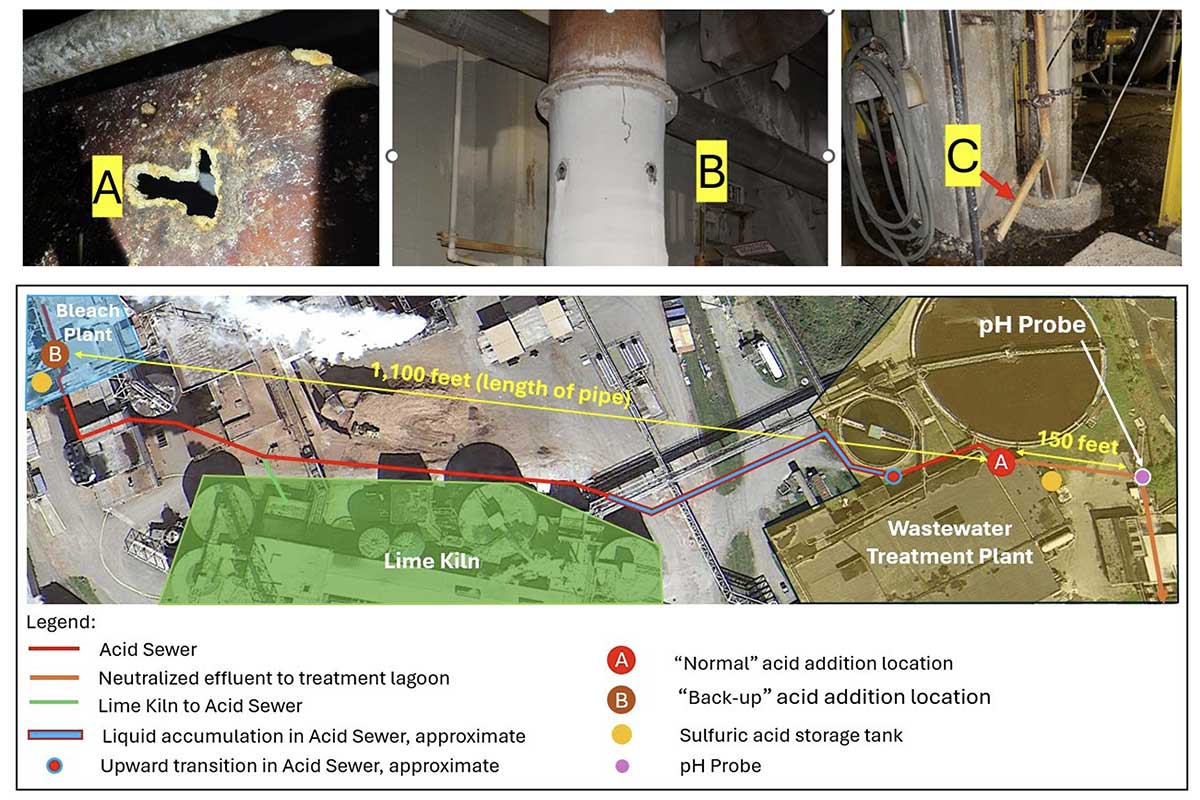
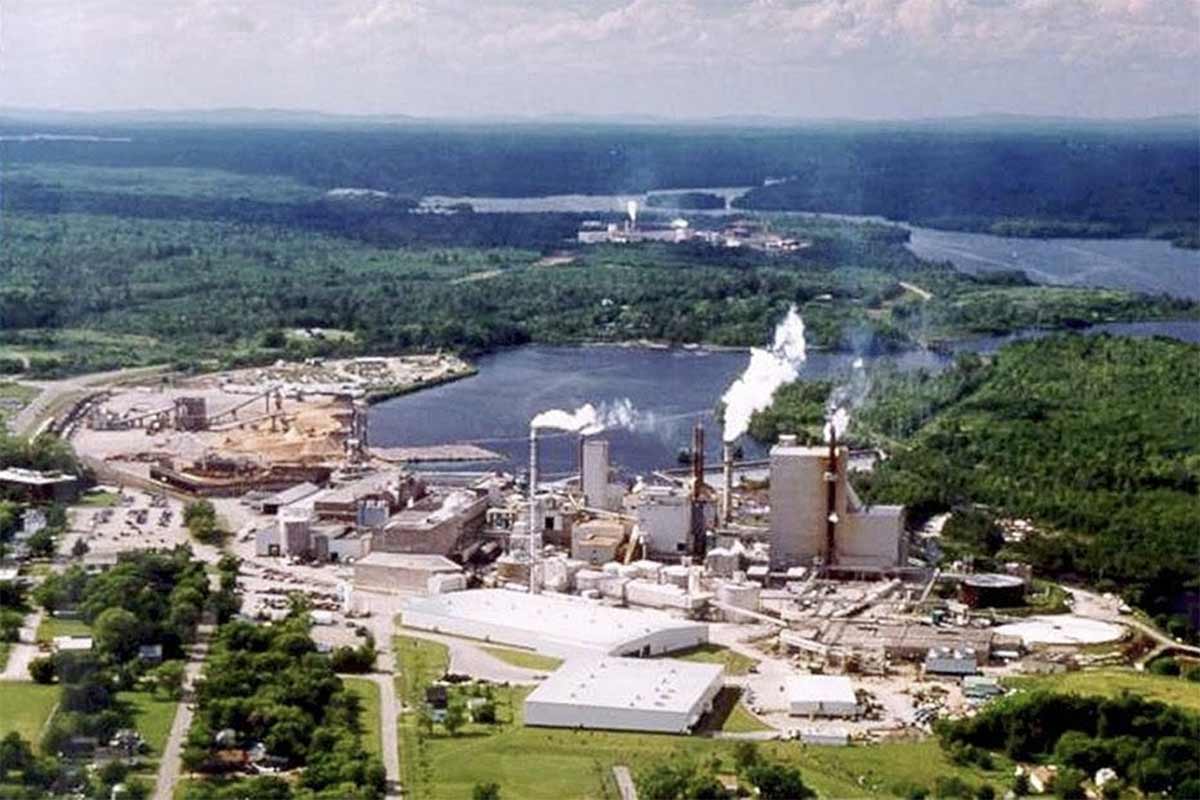
OSHA proposed $794,456 in penalties against Baileyville, Maine-based Woodland Pulp LLC after investigating a fatal hydrogen sulfide release during a process shutdown.
A federal investigation into the deadly gas release at the wood pulp mill found Woodland Pulp exposed workers to safety and health hazards that killed two workers.
Hydrogen sulfide, also known as H2S or sewer gas, is a colorless gas known for its powerful rotten egg odor. It is extremely flammable and highly toxic. Used and produced in several industries, hydrogen sulfide also occurs naturally in sewers, manure pits, well water, and oil & gas wells.
OSHA found that on Jan. 27, Woodland Pulp workers performing a cold weather shutdown were exposed to high concentrations of deadly, uncontrolled, hydrogen sulfide gas. Two employees died from the exposure.
OSHA also investigated a March 7 chemical fire at Woodland Pulp that started after the employer released 4,400 gallons of 50% hydrogen peroxide that mixed with wood pulp that had accumulated on the ground.
Woodland Pulp received four willful citations for exposing workers to deadly hydrogen sulfide gas levels without proper alarms or breathing devices and allowing overflow wood pulp to build up in storage areas.
The employer also received eight serious citations for lack of worker training on hydrogen peroxide risks, failure to conduct medical evaluations and fit tests for respirator users, and neglecting to label chlorine and acid lines or control hydrogen sulfide exposure risks.
The Woodland Pulp has 15 business days from receipt of their citations and penalties to comply, request an informal conference with OSHA, or contest the findings before the independent Occupational Safety and Health Review Commission (OSHRC).
OSHA has inspected Woodland Pulp 13 times since 2017, issuing 17 violations and initial penalties totaling over $135,000. The most frequent citations involved process safety management (PSM).
In February 2017, an employee was closing the cover of a washer when a small cloud of chlorine dioxide (ClO2) was released. The employee inhaled some of the vapor, began coughing, and experienced shortness of breath. The employee and thirteen others were taken to a local hospital and evaluated for exposure to chlorine dioxide vapors.
OSHA determined the lockout/tagout (LOTO) procedure for the Bleach Plant Scrubber did not identify the scrubber bypass valve which needed to be partially opened before the manhole cover was removed. Failure to open the scrubber bypass valve resulted in the release of chlorine dioxide.
The agency also found Woodland Pulp’s initial process hazard analysis did not include the hazards of chlorine dioxide in the Bleach Plant, did not develop written operating procedures for processes containing ClO2, and did not train employees on safe job task performance in the Bleach Plant.
Additionally, Woodland Pulp’s change management procedure was not followed in the ClO2 Plant, where a blower was used in lieu of a cooling fan for a pump motor.
The incident occurred in the same area covered by the current inspections.
In May 2017, an employee sustained serious burns to the head and eyes while preparing a heater to go online when water and black liquor over 300 degrees Fahrenheit and the wood chips sprayed the back of their head.
Similarly, in January 2017, an employee's arm became caught by an unenclosed pulp conveyer belt, pulling the skin, muscles and tendons off of his lower arm and most of his three middle fingers.
OSHA found Woodland Pulp did not protect employees from preheaters and piping or mechanical equipment hazards using appropriate shields and barriers.
Between 2022 and 2024, OSHA repeatedly cited Woodland Pulp for housekeeping issues involving walking-working surfaces.
During that time period, OSHA found the DNF Basement aisle was flooded, explosive concentrations of combustible dust around the Bark Hauler - which also prevented access along the stairway - and black liquor covering the mill floor and alleyway around the Kraft Mill.


Donald Halsing is the Founding Editorial Director of Work Safety 24/7. He was formerly the Associate Editor of Robotics 24/7.
Don's experience spans the supply chain, logistics, and construction industries, having worked in both warehouse operations and land surveying. He is also a professional wedding photographer with his fiancée Ashley.

Join our Safety Briefing newsletter and get safety news across logistics, warehousing, manufacturing, construction, and other high-risk environments. Get the latest regulatory updates, alerts, safety products, equipment and training, and analysis.

Don't miss a single news story, product review or safety resource. Subscribe to our newsletter for the latest safety news, updates, and exclusive offers.