Dedicated to helping businesses and individuals prioritize safety, health, and compliance in the workplace. From small startups to large corporations, safety is essential, and we're here to make it easier.


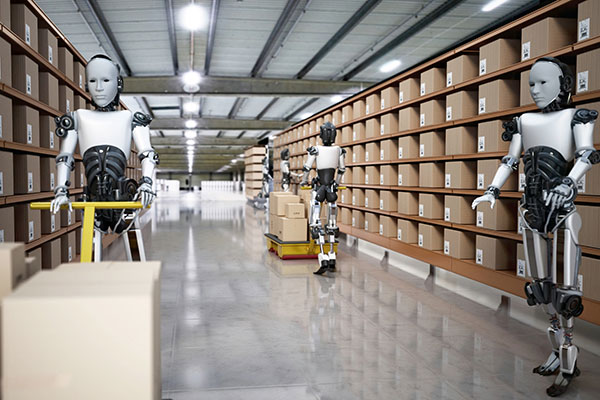
There’s been a lot of hype around humanoid robots lately. Big-name companies are investing millions, and the market could be worth up to $2 trillion someday. However, a new report from Interact Analysis says that widespread use should not be expected anytime soon.
The report predicts that global humanoid robot shipments will reach just over 40,000 units by 2032, with total revenue around $2 billion. That’s a fraction of the market’s potential. High costs, safety rules, limited dexterity, and questions over whether humanoids are the right shape for the job are holding things back.
“The humanoid robot market is currently experiencing substantial hype, fueled by a large addressable market and significant investment activity," said Rueben Scriven, research manager at Interact Analysis. "However, despite the potential, our outlook remains cautious due to several key barriers that hinder widespread adoption, including high prices and the gap in the dexterity needed to match human productivity levels; both of which are likely to persist into the next decade. However, we maintain that there’s a significant potential in the mid- to long-term.”
The report lays out three possible growth scenarios for the industry—optimistic, baseline, and pessimistic—all showing a jump in activity starting around 2029. For now, though, adoption is slow.
There’s also a shift happening in how these robots are made. Most parts are still custom-built in-house, but as the market matures, more components will likely become standardized and available off the shelf. That shift could help reduce costs and make production easier over time.
Designs vary depending on region and robot size. Chinese manufacturers, for example, tend to use fast motors and harmonic reducers, especially in the joints. Larger robots often rely on more durable parts like planetary gearboxes, particularly around the hips.
Ultimately, humanoid robots might have a big future, but don’t expect to see them everywhere just yet.


Join our Safety Briefing newsletter and get safety news across logistics, warehousing, manufacturing, construction, and other high-risk environments. Get the latest regulatory updates, alerts, safety products, equipment and training, and analysis.

Don't miss a single news story, product review or safety resource. Subscribe to our newsletter for the latest safety news, updates, and exclusive offers.