Dedicated to helping businesses and individuals prioritize safety, health, and compliance in the workplace. From small startups to large corporations, safety is essential, and we're here to make it easier.


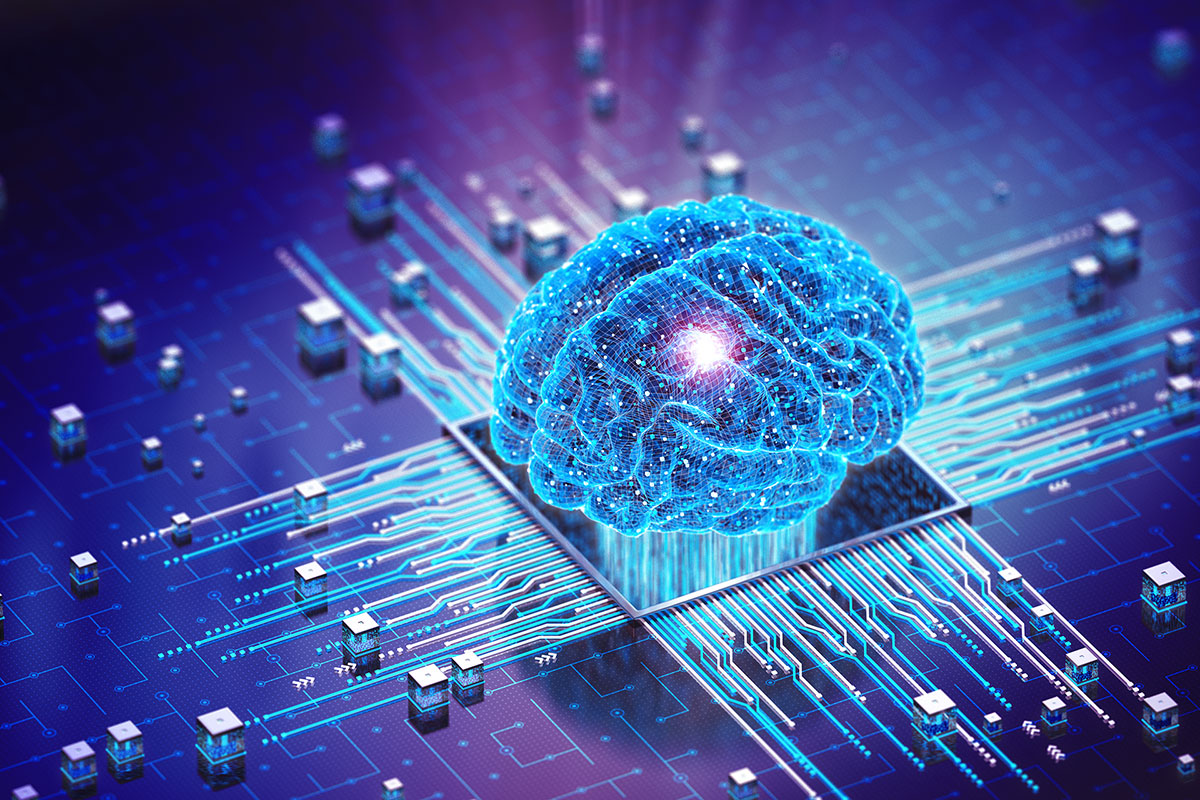
Across safety, distribution, and manufacturing, the pressure feels familiar. Systems are moving faster. Information is coming from everywhere. Decisions are stacking up faster than humans can comfortably process. And now, layered on top of all of that, comes AI - or what many of us are starting to call Digital Intelligence (DI).
For many professionals, the reaction is mixed. Curiosity, yes. Opportunity, maybe. But also an unspoken concern: If I use this too well, am I training my replacement? That fear is understandable. It’s also pointing in the wrong direction.
In emergency services, there’s an old rule: Never follow a fire truck out of the station - always know where you’re heading. The same rule applies to Digital Intelligence.
Organizations that adopt DI reactively - chasing headlines, tools, or fear - often create more risk, not less. Confusion increases. Trust drops. People disengage. Another saying applies just as well: Never come into a dock faster than you’re willing to hit it. Moving fast without control doesn’t make systems safer - it makes failures louder.
Intentional adoption matters more than speed. When organizations understand why they are using DI, and what risk they are trying to reduce, the technology becomes an asset rather than a liability.
Safety professionals already understand layered protection:
Each layer exists for the same reason: humans are skilled, but human attention and memory are finite. Digital Intelligence introduces a new kind of layer - cognitive support.
Not for decision-making instead of humans, but to:
Like any professional tool, digital Intelligence doesn’t replace judgment - it amplifies the skill of the person using it.
This isn’t theoretical, and it isn’t limited to one role.
Different environments: same mechanism, same benefit. In every case, DI removes friction - not responsibility.
Most incidents don’t begin with bad intent or lack of training. They start upstream:
Digital Intelligence operates in that upstream space. By reducing overload and organizing complexity, it helps people stay in control - especially when stakes are high.
And just as in safety work itself, a simple rule applies: If it can’t be done safely, we don’t do it. That mindset belongs in Digital Intelligence adoption as much as anywhere else.
This moment doesn’t require reinvention. The most effective DI initiatives combine proven processes, experienced people, and best-in-class technology - not to replace the human element - but to strengthen the system as a whole.
In safety, distribution, and manufacturing alike, resilience has always come from smart design and layered support. Digital Intelligence simply extends that philosophy into decision-making itself.
The wrong question is: “Will this replace me?” The better one is: “What higher-order work does this free me to do?”
Professionals who adopt Digital Intelligence aren’t disappearing. They’re evolving - becoming better leaders, better translators, and better stewards of increasingly complex systems.
This isn’t the end of human expertise. It’s the next level of it.


Join our Safety Briefing newsletter and get safety news across logistics, warehousing, manufacturing, construction, and other high-risk environments. Get the latest regulatory updates, alerts, safety products, equipment and training, and analysis.

Don't miss a single news story, product review or safety resource. Subscribe to our newsletter for the latest safety news, updates, and exclusive offers.