Dedicated to helping businesses and individuals prioritize safety, health, and compliance in the workplace. From small startups to large corporations, safety is essential, and we're here to make it easier.


This article originally appeared in Modern Materials Handling, another publication of Peerless Media.

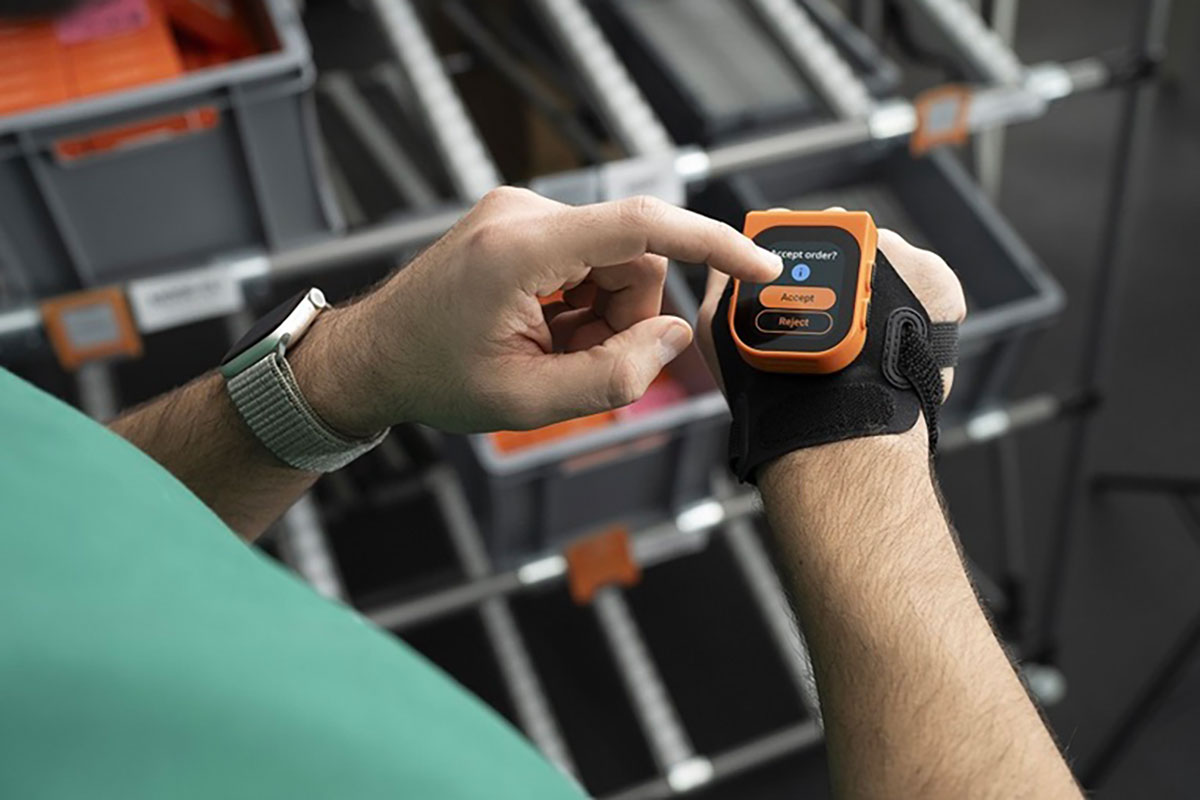
New research from ProGlove, an industrial wearable technology provider, found “ergonomic debt” is threatening operational productivity in warehouses across the U.S. as physical strain, due to poor tools and rising demand, is getting worse.
The research was conducted Nov. 2025, surveying over 200 warehouse professionals across the U.K. and U.S. It included 92 managers and 124 warehouse floor operators.
ProGlove’s research shows that although ergonomic issues are escalating, most organizations are not fully aware of the risks or addressing them effectively.
Ergonomic debt is the cumulative strain that builds up from repetitive motions and heavy or outdated tools that were not designed with people in mind, ultimately leading to lower productivity, absenteeism, and higher staff turnover, ProGlove explained.
According to ProGlove’s research, more than 73% of warehouse operators said they have considered leaving their roles because of discomfort or injury concerns, an indication that physical strain is contributing to the already growing labor shortage.
As a result, 36% of workers said they missed shifts in the past year due to work-related pain or exhaustion. Among those who took time off due to fatigue, 50% missed between four to six days a year, while 15% missed between one and two weeks of a working year.
These patterns indicate not only a shrinking pool of available workers, but also the financial pressure that comes with covering absences, reallocating labor, and absorbing the productivity loss that follows.
Yet the factors driving this strain often go unaddressed.
53% of workers still use pistol-grip scanners, which are known to elevate musculoskeletal (MSK) injury risk, with 8% more workers than managers rating their tools as non-ergonomic, at 81% and 73%, respectively.
Despite this, only 22% of organizations measure repetitive strain injury (RSI) or MSK injuries according to their warehouse operators. 73% of surveyed warehouse managers said the tools in their facility are not ergonomic, while 37% of managers said their workflows are not designed to prevent RSI or MSK injuries.
Without the data or language to identify the root causes of fatigue and turnover, many warehouses continue to rely on workflows and equipment that silently compound the problem.
“The fact that 66% of warehouse managers have never heard the term ergonomic debt tells us that too many warehouse workers are carrying a physical burden that has gone unrecognized for far too long,” said Konstantin Brunnbauer, ProGlove managing director. “When I speak with operators, they often describe strain as simply ‘part of the job.’ But there’s only so much strain a body can take, and it will only get worse as demand increases. This research shows how that burden is already influencing fatigue, absences, and whether people feel able to stay in these roles - those outcomes directly affect productivity.”
Brunnbauer added that with labor shortages already a common problem, every missed shift or staff departure adds to the problem.
“Leaders who want stable, high-performing warehouses need to understand where this pressure is building and implement technology that is genuinely built around human needs,” Brunnbauer said.


Join our Safety Briefing newsletter and get safety news across logistics, warehousing, manufacturing, construction, and other high-risk environments. Get the latest regulatory updates, alerts, safety products, equipment and training, and analysis.

Don't miss a single news story, product review or safety resource. Subscribe to our newsletter for the latest safety news, updates, and exclusive offers.