Dedicated to helping businesses and individuals prioritize safety, health, and compliance in the workplace. From small startups to large corporations, safety is essential, and we're here to make it easier.


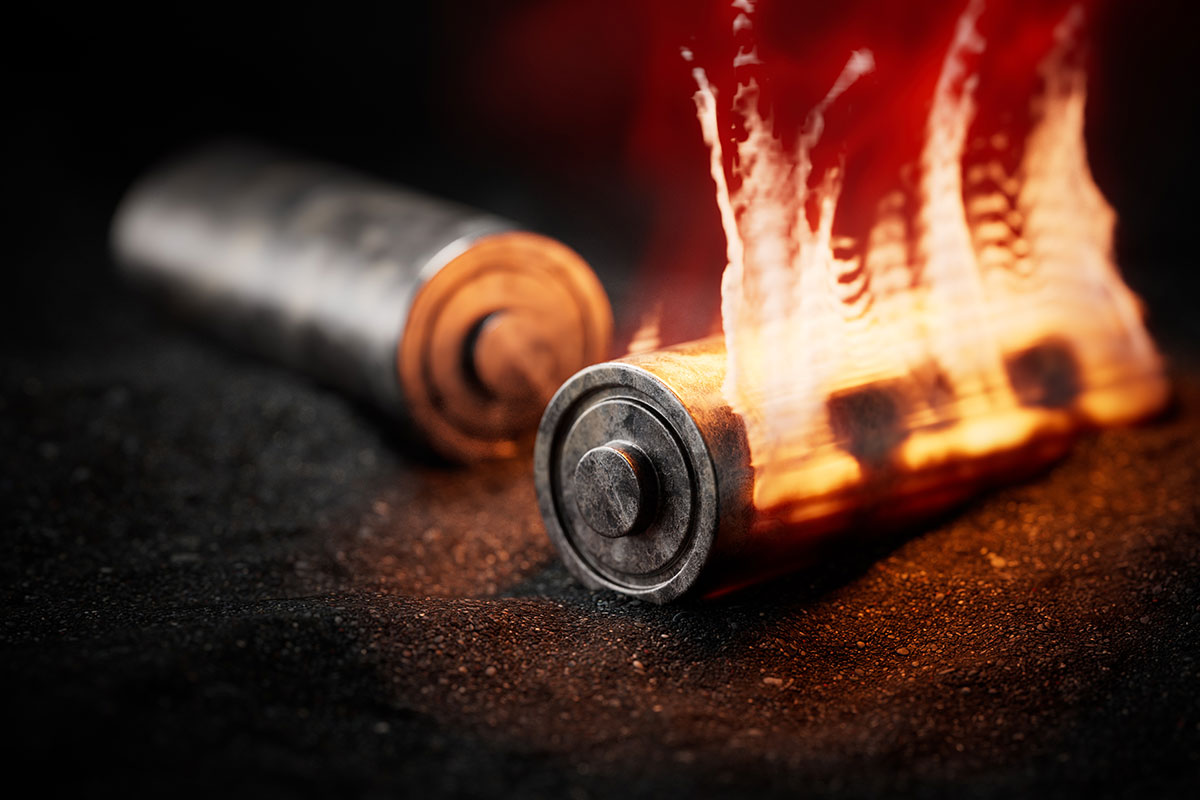
OSHA issued a letter of interpretation this week clarifying whether injuries from personal rechargeable lithium-ion batteries in the workplace should be recorded as work-related on OSHA 300, 301, and 300-A or equivalent forms.
The agency said if a work-related injury caused by a lithium-ion battery meets one or more of the general recording criteria (29 CFR §1904.7), then it must be recorded in OSHA logs.
We explained it in Work Safety 101: OSHA 300 Injury and Illness Reporting
In the letter, OSHA’s Directorate of Technical Support and Emergency Management director Lee Anne Jillings responds the following scenario:
Employees bring rechargeable lithium-ion batteries from home to the workplace for use in e-cigarettes, and that are not used in any equipment or device related to employee work duties.
The battery terminals are unprotected and the employee or employees improperly carry these batteries in their pants pocket, a fire is sparked by the batteries, and that the fire results in employee injury.
Jillings said OSHA's approach to work-relationship in the recordkeeping regulation reflects two important principles:
In cases where it is not obvious whether the precipitating event or exposure occurred in the work environment, employers must review a third rule: §1904.5(b)(3). Employers must evaluate employee work duties and environment to decide whether it is more likely than not that one or more events or exposures in the work environment either caused or contributed to the resulting condition.
Regarding the scenario submitted, Jillings said the fire is the precipitating event in the workplace that injured the employee. The injury must be reported because it is “obvious” the injury happened at the workplace, and it is not on the list of exceptions.
In addition, Jillings said OSHA recognizes that injury and illness rates do not necessarily indicate an employer's lack of interest in safety and health, that an employer or employee was at fault, or that an OSHA standard was violated.
“The nature of the activity which the employee engaged in at the time of the event or exposure, the degree of employer control over the employee's activity, the preventability of the incident or the concept of fault do not affect the determination of work relationship,” Jillings said.
Other specific exceptions from §1904.5(b)(2) discussed in the letter include personal grooming as well as eating, drinking, or preparing food or drink for personal consumption.
The letter highlights the growing need for awareness of safety risks associated with lithium-ion batteries in workplace environments. These batteries can pose safety and health risks to workers during manufacturing, usage, emergency response, disposal, and recycling.
Potential risks include fires, explosions, and exposure to harmful chemicals.
Safety measures employers can take include:
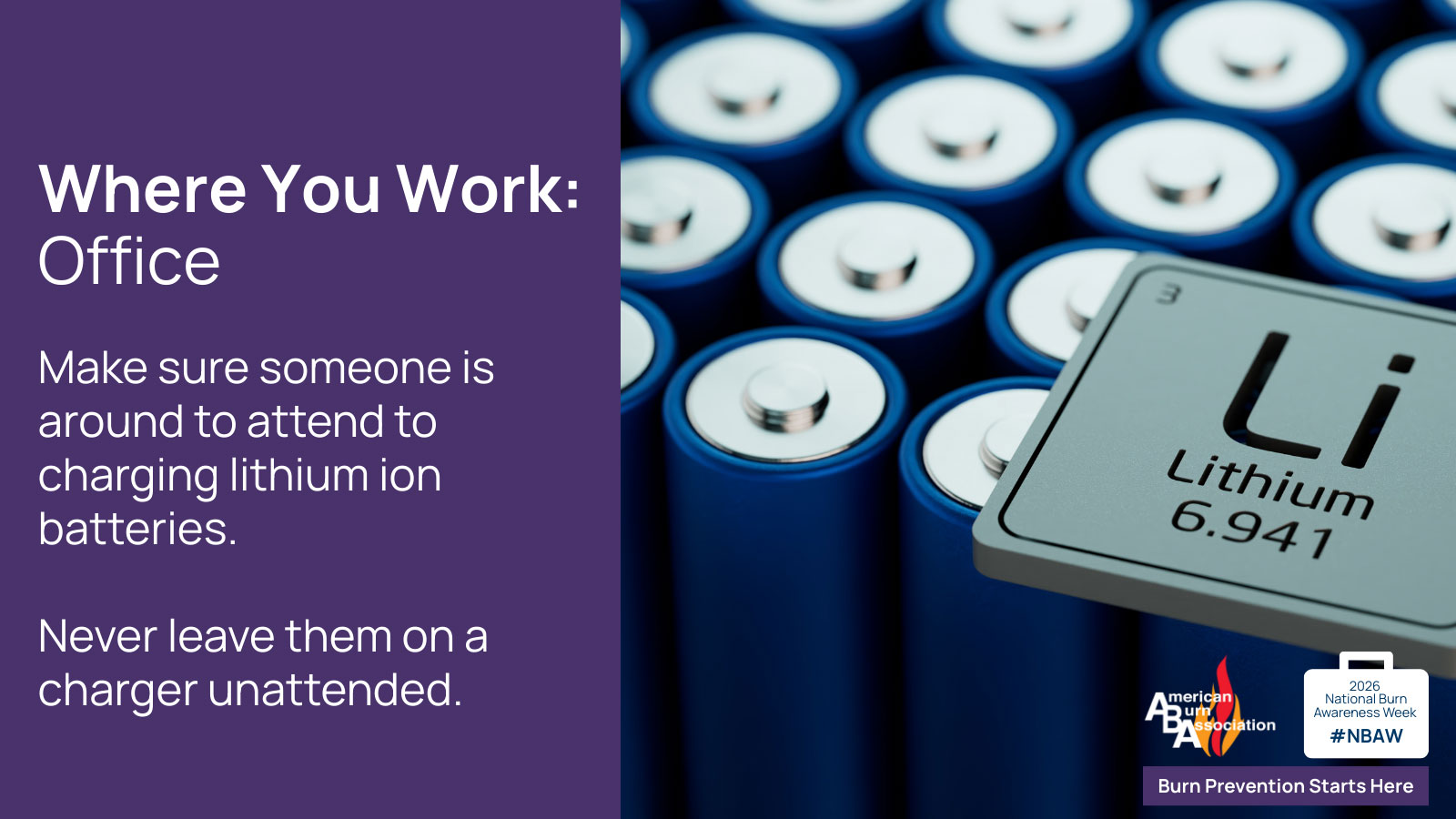
Learn more actions to prevent burns in our National Burn Awareness Week slideshow.
In June, the Department of Labor launched its opinion letter program, which expands its longstanding commitment to providing meaningful compliance assistance that helps workers, employers, and other stakeholders understand how federal labor laws apply in specific workplace situations.
The public is encouraged to use the division's new opinion letters page to explore past guidance and submit new requests. The division will exercise discretion in determining whether and how it will respond to each request, which will focus primarily on attempting to address issues of broad-based concern.
A Letter of Interpretation is OSHA's official response to questions about how its requirements apply to specific workplace situations or hazards. They cannot create additional employer obligations.
Each letter constitutes OSHA's interpretation of the requirements discussed. These letters can help stakeholders understand how to comply with Federal OSHA standards, regulations, and section 5(a)(1) of the Occupational Safety and Health Act in specific workplace situations.


Donald Halsing is the Founding Editorial Director of Work Safety 24/7. He was formerly the Associate Editor of Robotics 24/7.
Don's experience spans the supply chain, logistics, and construction industries, having worked in both warehouse operations and land surveying. He is also a professional wedding photographer with his fiancée Ashley.
Join our Safety Briefing newsletter and get safety news across logistics, warehousing, manufacturing, construction, and other high-risk environments. Get the latest regulatory updates, alerts, safety products, equipment and training, and analysis.
Don't miss a single news story, product review or safety resource. Subscribe to our newsletter for the latest safety news, updates, and exclusive offers.