Dedicated to helping businesses and individuals prioritize safety, health, and compliance in the workplace. From small startups to large corporations, safety is essential, and we're here to make it easier.


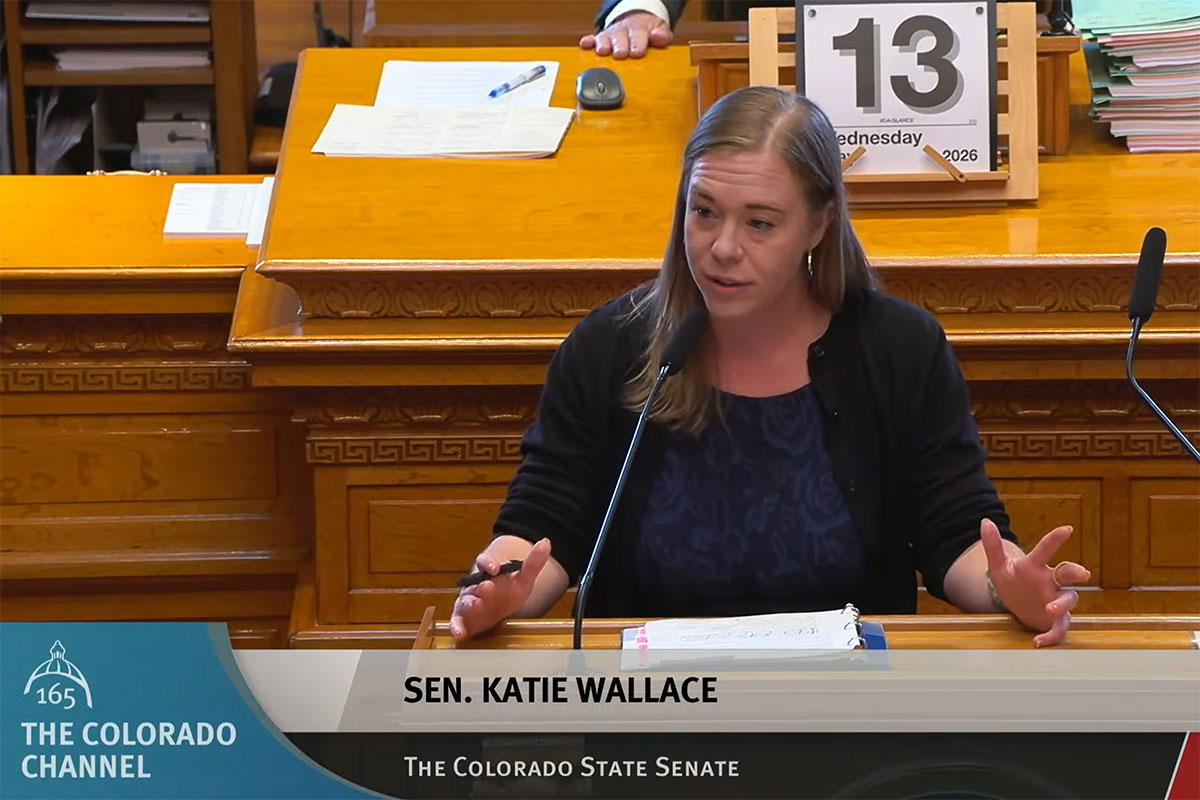
The Colorado State Senate defeated HB26-1054, “Protections for Worker Safety,” last week by a 17-18 vote.
The State House of Representatives previously passed the bill 42-23 May 5.
The bill would have enabled the State Attorney General to “replace any requirement of the OSH Act” - specifically OSHA’s general duty clause - should the federal government repeal or revoke those laws at a federal level.
This power would have included ordering employers to pay workers impacted by unsafe conditions and issuing fines for violations that would be deposited into a workplace health and safety fund.
Proponents of the bill raised concerns about OSHA’s performance under the second Trump administration, noting a decrease in investigations and a reduction in penalties.
“OSHA today faces numerous threats including diminished enforcement capacity, efforts to block important and long-overdue new worker protection standards, and - notably - efforts to weaken the statute’s general duty clause, which ensures foundational safety protections to all workers, regardless of the occupation or industry they work in,” said Nina Mast, a policy and economic analyst at the Economic Policy Institute, during a House Business Affairs and Labor Committee meeting Feb. 26.
Opponents raised concerns over the bill’s applicability because it could establish conflicting federal and state rules.
Cole Wist, a former Colorado legislator, argued Colorado could petition OSHA to enforce workplace safety at the state level, alongside 23 other states who have already moved their enforcement to the state level.
But HB26-1054 proposed a hybrid path, where the state would only step in where it saw fit, setting up a confusing structure where employers wouldn’t know whether to answer to the federal or Colorado governments.
“There is a path for a state to go down regarding workplace-safety regulation. This bill goes halfway and does damage in the process.” Wist said at the House meeting.
Although the generalized work safety bill was lost, the State legislature passed HB26-1272, “Extreme Temperatures Worker Protections.”
If signed into law by the governor, the bill will require the Colorado Department of Labor and Employment (CDLE) to begin collecting data on temperature-related emergencies at worksites in the state by Jan. 15, 2027.
Data collection will include launching a platform on CDLE’s website for workers to submit their own information on temperature-related injuries, illnesses, and emergencies.
CDLE will then need to publish its information on its website, and develop a temperature-related injury and illness prevention plan (TRIIPP) model by July 1, 2028, and update it every five years.


Donald Halsing is the Founding Editorial Director of Work Safety 24/7. He was formerly the Associate Editor of Robotics 24/7.
Don's experience spans the supply chain, logistics, and construction industries, having worked in both warehouse operations and land surveying. He is also a professional wedding photographer with his fiancée Ashley.
Join our Safety Briefing newsletter and get safety news across logistics, warehousing, manufacturing, construction, and other high-risk environments. Get the latest regulatory updates, alerts, safety products, equipment and training, and analysis.
Don't miss a single news story, product review or safety resource. Subscribe to our newsletter for the latest safety news, updates, and exclusive offers.