Dedicated to helping businesses and individuals prioritize safety, health, and compliance in the workplace. From small startups to large corporations, safety is essential, and we're here to make it easier.


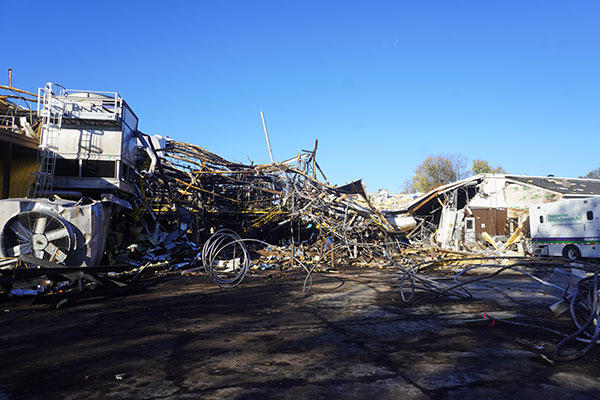
Federal investigators say a deadly 2024 explosion at a caramel coloring plant in Louisville, Kentucky, could have been prevented and exposed major safety failures inside the facility.
The U.S. Chemical Safety and Hazard Investigation Board (CSB) released its final report on the Nov. 12, 2024, explosion at the Givaudan Sense Color facility. The blast killed two workers, seriously injured three others, and caused roughly $40 million in damage to the plant and nearby homes and businesses.
According to the CSB, the explosion happened after a runaway chemical reaction inside a 2,500-gallon reactor used to make caramel coloring for food products. Pressure quickly built up inside the reactor and overwhelmed the emergency pressure relief system, causing the equipment to rupture.
“This tragic incident was a catastrophe waiting to happen," CSB Chairperson Steve Owens said. "The reactor’s pressure relief system was not designed to release pressure from a reaction like this, and Givaudan did not recognize the potential for a runaway reaction to happen.”
The agency said the reactor was originally built in 1978 and later moved to the Louisville facility. Investigators found that the company failed to fully understand the dangers associated with the sugar ingredients used in the manufacturing process.
“The CSB’s investigation found that the company did not understand the severe reactive hazards associated with the sugar ingredients used in its caramel coloring process,” said CSB Supervisory Investigator Lauren Grim. “As a result, critical safeguards, including the emergency relief system, were incapable of preventing this catastrophic reactor rupture.”
The report found the reactor’s pressure relief system would have needed to be about four times larger to safely handle the pressure created during the reaction.
The two workers killed in the explosion were inside a control room located about 40 feet from the reactor. The CSB said the room was not blast-resistant and collapsed after the explosion.
The blast also sent the 2,000-pound reactor shell flying roughly 245 feet into a nearby residential neighborhood, where it landed against a home. Debris traveled as far as 400 feet beyond the plant property line.
Local officials issued a shelter-in-place order covering a one-mile radius around the facility. Givaudan permanently shut down the plant after the incident, and the facility has since been demolished.
“This tragedy demonstrates that companies handling reactive chemical processes must fully understand the hazards of their materials, implement effective safeguards, and ensure that workers and surrounding communities are protected from catastrophic events," added CSB Board Member Sylvia Johnson.


The U.S. Chemical Safety Board (CSB) is an independent, nonregulatory federal agency that investigates the root causes of major chemical incidents. The Board does not issue citations or fines, but makes safety recommendations to companies,…
Join our Safety Briefing newsletter and get safety news across logistics, warehousing, manufacturing, construction, and other high-risk environments. Get the latest regulatory updates, alerts, safety products, equipment and training, and analysis.
Don't miss a single news story, product review or safety resource. Subscribe to our newsletter for the latest safety news, updates, and exclusive offers.