Dedicated to helping businesses and individuals prioritize safety, health, and compliance in the workplace. From small startups to large corporations, safety is essential, and we're here to make it easier.


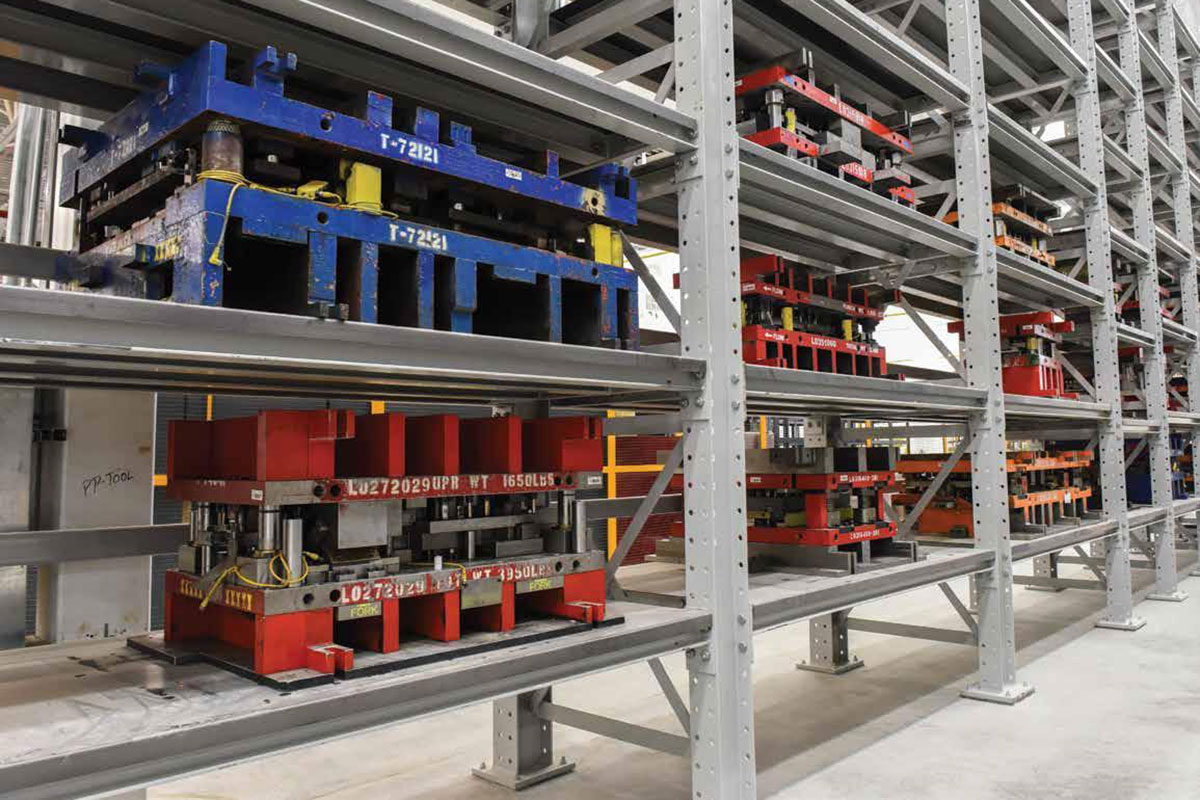
In most warehouses, racking systems are so foundational - so much a part of the scenery - that they fade into the background. They quietly do their job day after day, supporting inventory flow, picking operations, and keeping employees safe. But when racking systems are taken for granted, they can quickly become one of the most significant (and preventable) sources of operational and safety risk in a facility.
Rack failures rarely happen without warning. More often, they are the result of small, accumulated issues: a loose anchor here, a bent upright there, an overloaded beam that never quite returns to shape. Over time, these seemingly minor problems compound, increasing the likelihood of incidents that endanger employees, damage inventory, and disrupt operations. For warehouse leaders, the challenge is not knowing maintenance matters; it’s building a proactive approach that moves beyond reactive repairs and embeds rack safety into the team’s daily operations.
Effective rack maintenance starts with a shift in perspective. Racking should not be viewed as static infrastructure, but as an active asset - one that interacts constantly with material handling equipment, changing inventory profiles, and evolving operational demands. As those conditions change, so too does the stress placed on storage systems.
A proactive maintenance strategy recognizes and plans for this reality. Rather than waiting for visible failures or audit findings, leading operations establish clear inspection routines, defined risk thresholds, and accountability for corrective action. This approach not only reduces safety exposure, but also extends the service life of racking systems while minimizing unplanned downtime.
No single inspection cadence is sufficient on its own. Best-in-class facilities rely on a combination of daily site checks and semi-annual, more comprehensive assessments.
Daily inspections focus on identifying urgent hazards - those conditions that require immediate attention and, in some cases, the unloading of any affected racks. These checks can often be performed by trained employees who know what to look for and understand the importance of reporting issues promptly so they can be quickly dealt with.
Semi-annual inspections, on the other hand, take a broader view. They assess overall system suitability, configuration, and wear, ensuring racking continues to align with current operational requirements rather than assumptions made years earlier.
While inspection programs vary by facility, there are several key areas that deserve consistent review and attention. These include:
Not all rack damage carries the same level of risk. Certain conditions - often referred to as “red risks” - require immediate action. These include visibly-bent columns, laterally-deformed arms, permanently-deflected beams, damaged bracing, or rotated bases that suggest anchor failure.
Identifying these risks quickly depends on training. Employees operating in and around racking systems should know what constitutes an urgent hazard and have a process in place for how to report it. Clear escalation paths ensure dangerous conditions are addressed before they result in incidents.
Rack maintenance does not exist in isolation. Forklifts, pallet jacks, conveyors, and other material handling equipment interact with storage systems every day. Ensuring compatibility between equipment and rack design is essential.
Equipment must be appropriate for aisle widths, lift heights, and load characteristics. Just as important, it must be well maintained. Poorly-functioning equipment increases the likelihood of accidental impacts that damage racks and create ongoing safety concerns.
Day-to-day operational discipline plays a major role in storage longevity. Using the correct pallets or cradles, designating areas for damaged goods, and maintaining clear reporting procedures all contribute to safer storage environments.
Equally important is having defined corrective-action processes. When issues are identified, responsibility for resolution should be clear, timelines should be reasonable, and follow-up inspections should confirm that repairs were completed correctly.
Regular rack inspections and maintenance are sometimes viewed as obligations - necessary, but secondary to throughput and efficiency goals. In reality, they are investments that directly support both. Safer warehouses experience fewer disruptions, lower repair costs, and greater confidence among employees who will trust the environment they work in every day.
Proactive rack maintenance can make this a reality.
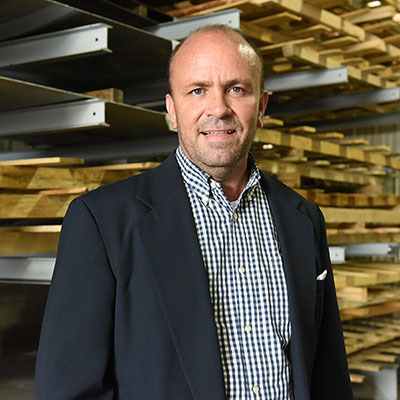
Tracy Buck is a sales engineering leader at Dexco with more than 25 years of experience designing heavy-duty structural steel and custom material-handling systems for complex industrial challenges. A recognized expert in prototyping, reverse engineering, and lean manufacturing, Tracy has delivered projects for leading defense, government, and commercial organizations, including Tesla, GM, Ford, and multiple U.S. military branches, helping them to enhance safety, efficiency, and operational readiness.

Dexco fabricates custom I-beam metal racking for industrial storage applications, rigorously testing each design to ensure it is certified to meet industry safety & reliability standards.
Join our Safety Briefing newsletter and get safety news across logistics, warehousing, manufacturing, construction, and other high-risk environments. Get the latest regulatory updates, alerts, safety products, equipment and training, and analysis.
Don't miss a single news story, product review or safety resource. Subscribe to our newsletter for the latest safety news, updates, and exclusive offers.