Work Safety 24/7

Dedicated to helping businesses and individuals prioritize safety, health, and compliance in the workplace. From small startups to large corporations, safety is essential, and we're here to make it easier.

Safety responsibilities of each mining occupation in the U.S.

A breakdown of how each miner role contributes to a strong safety culture

By Work Safety 24/7 Staff 
February 23, 2026

Every role at a mine site addresses different portions of a comprehensive safety program.

Resources from the Mine Safety & Health Administration (MSHA) describe different types of jobs in the U.S. mining industry.

The agency’s U.S. Mining Occupations and Methods fact sheet lists the critical safety tasks for common underground, surface, processing, and administrative roles.

From directly ensuring operational safety, to complying with applicable regulations and standards, and even developing site-specific programs and policies, each mining role requires different knowledge to support a strong safety culture.

Underground Equipment Operators

  • Continuous Miner Operator - Operates machinery that cuts and gathers coal or ore from underground seams. Monitors equipment performance to ensure efficient production. Maintains safe working conditions in confined mine spaces.
  • Scoop/Load Haul Dump Loader Operator - Uses loaders to transport broken rock or coal from the face to haulage systems. Ensures efficient material movement in tight underground conditions. Performs routine equipment checks and minor maintenance.
  • Shuttle Car/Haul Truck Operator - Transports mined material from continuous miners to conveyors or surface processing areas. Operates in dark, confined spaces with constant attention to safety. Keeps haulage routes clear and equipment functional.
  • Shearer Operator - Controls longwall shearers that cut coal along panels. Coordinates with roof support systems to prevent collapses. Ensures maximum production with minimal downtime.
  • Bolter - Installs roof bolts and ground support systems to stabilize mine openings. Operates heavy bolting machinery under strict safety protocols. Plays a critical role in preventing roof falls and maintaining safe entryways.
  • Roadheader/Scooptram Operator - Operates roadheaders or scooptrams to cut rock and transport ore. Works in development headings and tunnel construction. Monitors ventilation and equipment conditions during operation.
  • Surveyor - Maps underground mine layouts using surveying instruments and software. Provides precise measurements for mine planning and safety. Ensures compliance with engineering and regulatory standards.
  • Scaler - Removes loose rock from mine walls and ceilings using mechanical or hand tools. Prevents hazardous rock falls in active work areas. Works closely with bolters and other ground control crews.
  • Hoist Operator - Controls hoists that transport miners, equipment, and materials between surface and underground. Maintains constant communication with crews to ensure safe lifting. Inspects and records equipment performance daily.
  • Driller/Blaster - Drills blast holes and sets explosives to break rock or ore. Prepares patterns according to engineering designs. Follows strict regulations for handling, storage, and detonation of explosives
  • Ventilation Specialist - Designs and maintains systems to circulate fresh air and remove harmful gases. Monitors airflow and adjusts fans, regulators, and stoppings. Plays a key role in maintaining safe breathing conditions underground.

Surface Equipment Operators

  • Haul Truck Operator - Operates large trucks to move overburden and mined material. Works on haul roads and dump points under varying conditions. Conducts routine safety inspections of vehicles.
  • Bulldozer Operator - Uses bulldozers to clear land, push material, and maintain haul roads. Operates in rugged terrain and variable weather. Keeps equipment maintained and stable on slopes.
  • Front-End Loader Operator - Loads material into trucks or onto conveyors. Maintains smooth stockpiles and feeding systems for crushers. Operates with precision to minimize spillage and maximize efficiency.
  • Dragline Operator - Controls massive dragline excavators for stripping overburden. Requires skill in managing long booms and bucket swings. Operates in large open-pit environments.
  • Excavator Operator - Uses hydraulic excavators to dig, trench, and load materials. Performs tasks ranging from overburden removal to fine excavation. Ensures safe and precise operations near other equipment.
  • Driller/Blaster - Prepares blast holes, loads explosives, and conducts surface blasting. Coordinates with production teams to fragment rock effectively. Ensures compliance with environmental and safety laws.

Preparation, Milling, & Waste Management

  • Welder/Cutter - Repairs and fabricates metal equipment using welding and cutting techniques. Works on structural supports, machinery, and pipelines. Ensures strong welds that withstand mine conditions.
  • Pipe Fitter - Installs and maintains pipes for water, air, and slurry systems. Reads blueprints and ensures leak-free connections. Supports mine dewatering and ventilation systems.
  • Washdown Operator - Cleans equipment, conveyors, and work areas using high-pressure systems. Maintains safe and sanitary plant conditions. Prevents buildup of combustible materials.
  • Plant Foreman - Oversees daily operations of the processing plant. Manages crews, schedules, and production goals. Ensures compliance with safety and quality standards.
  • Instrumentation/Control Room Operator - Monitors plant operations from centralized control systems. Adjusts equipment settings to maintain efficiency. Troubleshoots alarms and ensures continuous production.
  • Quality Control Technician - Samples and tests mined materials for grade, size, and chemical composition. Ensures final products meet industry and customer standards. Maintains accurate lab records and reports.
  • Millwright/Maintenance Worker - Installs, repairs, and maintains heavy machinery. Troubleshoots mechanical failures to minimize downtime. Works across multiple systems including pumps, conveyors, and crushers.

Technical, Professional, & Administrative

  • Electrician - Installs and maintains electrical systems in mines and plants. Troubleshoots wiring, motors, and control circuits. Ensures compliance with electrical safety codes.
  • Welder - Fabricates, repairs, and reinforces mining equipment. Works with steel, alloys, and specialized materials. Provides critical support for maintenance crews.
  • Plumber - Installs and maintains water supply and drainage systems. Ensures reliable plumbing in surface facilities and camps. Troubleshoots and repairs leaks and blockages.
  • Mechanic - Diagnoses and repairs mobile and stationary mining equipment. Performs preventive maintenance on engines, hydraulics, and transmissions. Ensures machinery runs safely and efficiently.
  • Engineers (Mining, Civil, Mechanical, Electrical, Industrial, Chemical, etc.) - Design and oversee mining operations, infrastructure, and equipment. Analyze systems for safety, efficiency, and environmental impact. Provide technical expertise for long-term planning.
  • Geologist - Studies rock formations and mineral deposits. Provides data for mine planning and exploration. Ensures resources are extracted efficiently and responsibly.
  • Industrial Hygienist - Monitors workplace exposure to dust, noise, and chemicals. Develops programs to protect miners’ health. Ensures compliance with OSHA and MSHA standards.
  • Safety and Environmental Professional - Implements safety programs and environmental protections. Conducts training and inspections to reduce risks. Ensures compliance with mining regulations.
  • Accountant - Manages budgets, payroll, and cost tracking for mining operations. Provides financial reporting and analysis. Supports compliance with tax and audit requirements.
  • Human Resources Specialist - Manages hiring, training, and employee relations. Ensures compliance with labor laws and benefits administration. Supports workforce development and retention.

Underground Mining Methods

  • Room-and-Pillar - Involves mining rooms while leaving pillars of ore to support the roof. Provides stability and allows for controlled extraction. Widely used in coal and soft rock mines.
  • Retreat Mining - Removes remaining pillars after initial room-and-pillar development. Maximizes resource recovery but requires strict safety measures. Often one of the most hazardous mining phases.
  • Longwall Mining - Uses mechanized shearers to extract coal along large panels. Hydraulic supports move with the face as it advances. Offers high efficiency and continuous production.
  • Block Caving - Involves undercutting an ore body so it collapses under its own weight. Provides low cost bulk mining for large deposits. Requires careful monitoring of ground stability.
  • Cut-and-Fill - Excavates ore in slices, then fills voids with waste rock or tailings. Provides strong ground support and flexibility in irregular ore bodies. Labor- and equipment-intensive.
  • Open Stoping - Removes ore in large open spaces between levels. Relies on natural rock strength or artificial supports. Best suited for strong, competent ore bodies.

Surface Mining Methods

  • Open-Pit Mining - Removes ore by gradually deepening a large open excavation. Uses trucks and shovels to move material. Common for copper, gold, and iron.
  • Strip Mining - Strips away overburden in long, narrow strips to expose coal or minerals. Material is often replaced in mined-out strips. Efficient for shallow, layered deposits.
  • Mountain Top Removal - Blasts and removes mountain tops to access coal seams. Involves large-scale earthmoving and valley fills. Highly controversial due to environmental impact.
  • Highwall Mining - Extracts coal from exposed seams using remote-controlled equipment. Extends mining beyond the limits of a surface pit. Reduces worker exposure underground.
  • Dredging - Uses floating dredges to mine minerals from riverbeds or underwater deposits. Processes materials like sand, gravel, and heavy minerals. Requires specialized equipment and environmental controls.
 

More about MSHA

Latest in MSHA

Related Topics

Regulatory   Education   News   Chemical Hazards   Communications   Confined Space   Conveyors   Electrical safety   ESG   Explosives   Hazard Communication   Hazardous Atmosphere   Health   Mining   Motors   MSHA   OSHA   Predictive Maintenance   All topics
 

Subscribe

Subscribe to our FREE magazine, FREE email newsletters or both!

Join our Safety Matters newsletter and get safety news across logistics, warehousing, manufacturing, con­struc­tion, and other high-risk environments. Get the latest regulatory updates, alerts, safety products, equipment and training, and analysis.

Subscribe today


Editors’ Picks

U.S. Appeals Court denies claim against OSHA citation of affiliated entity
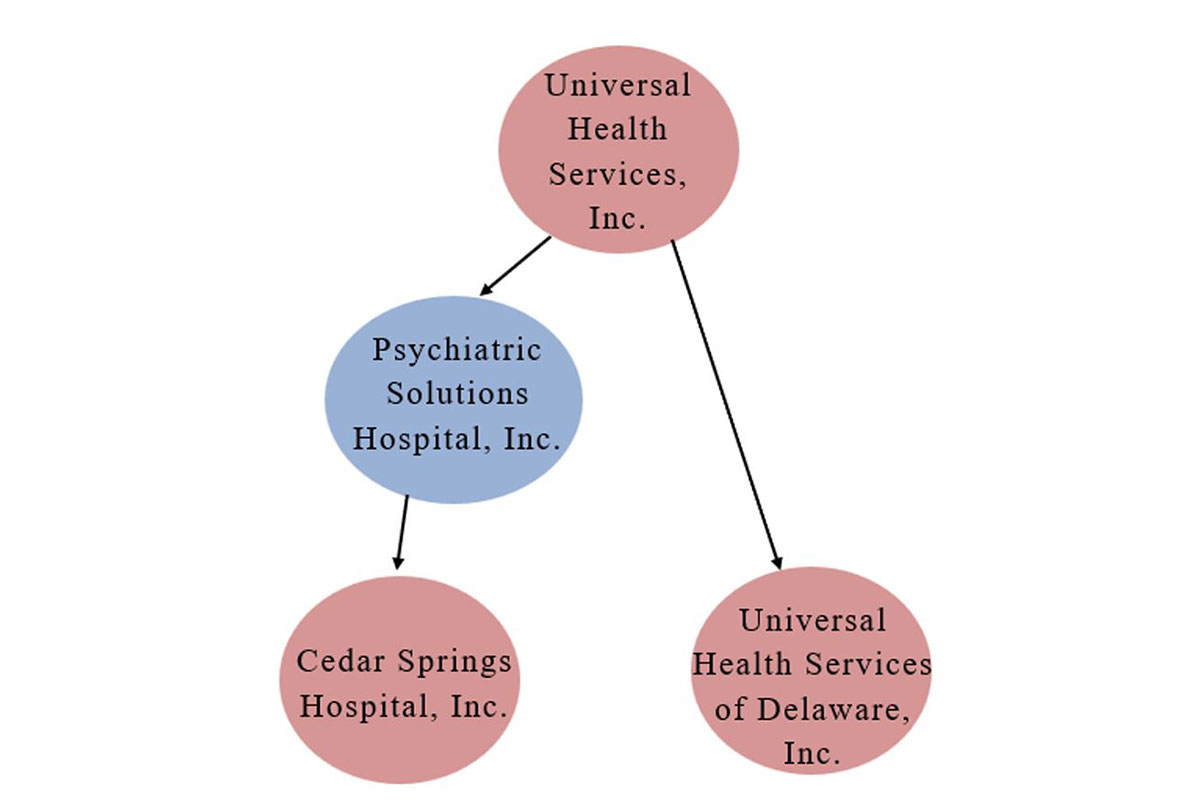
The U.S. Court of Appeals denied UHS of Delaware’s petition against the OSHRC because it shared a common worksite and integrated safety operations under the same…
NHTSA recalls over 5,000 new USPS trucks for missing brake pin
After a USPS Next Generation Delivery Vehicle lost brake function, NHTSA and Oshkosh recalled all NGDVs produced because the brake pedal mounting pin and retaining…
MSHA issues alerts for ammonia & autotransformers
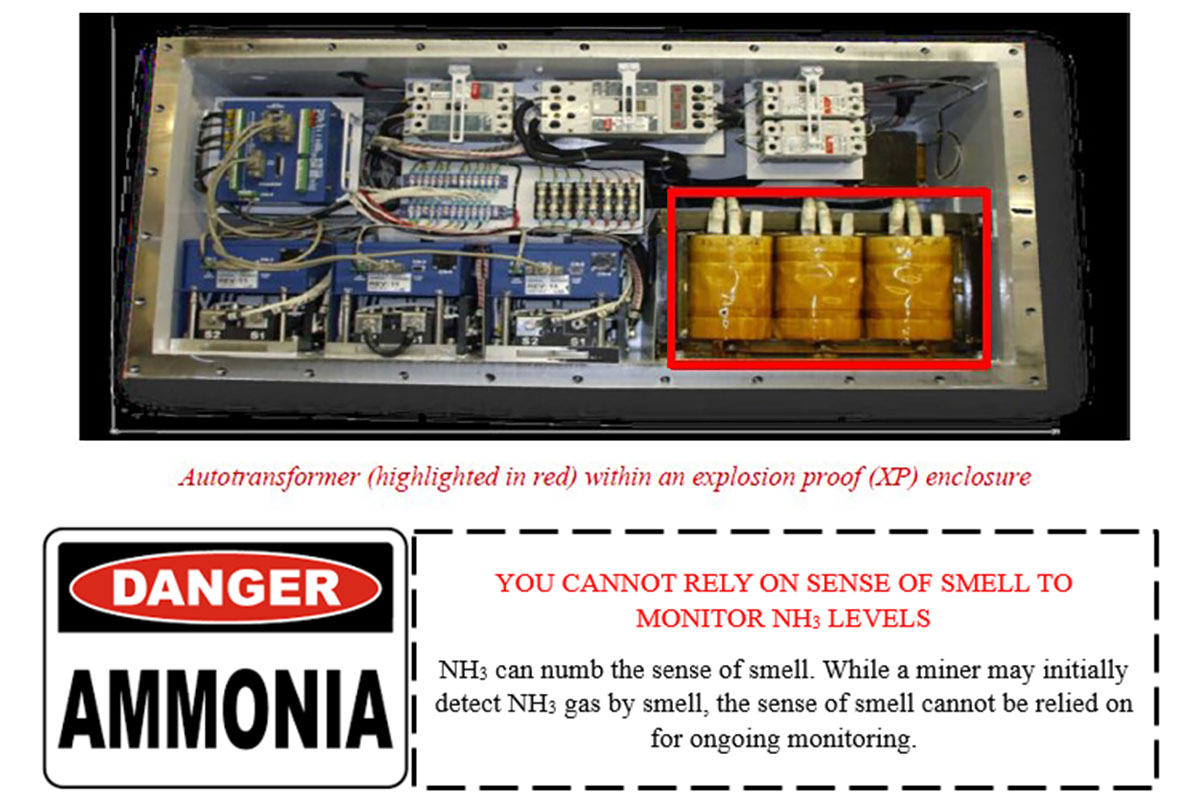
The Mine Safety and Health Administration encourages operators to examine all equipment with autotransformers currently in service and review safe handling of and…
Dangerous wildfires, sub-zero windchill, and winter weather across U.S. and…
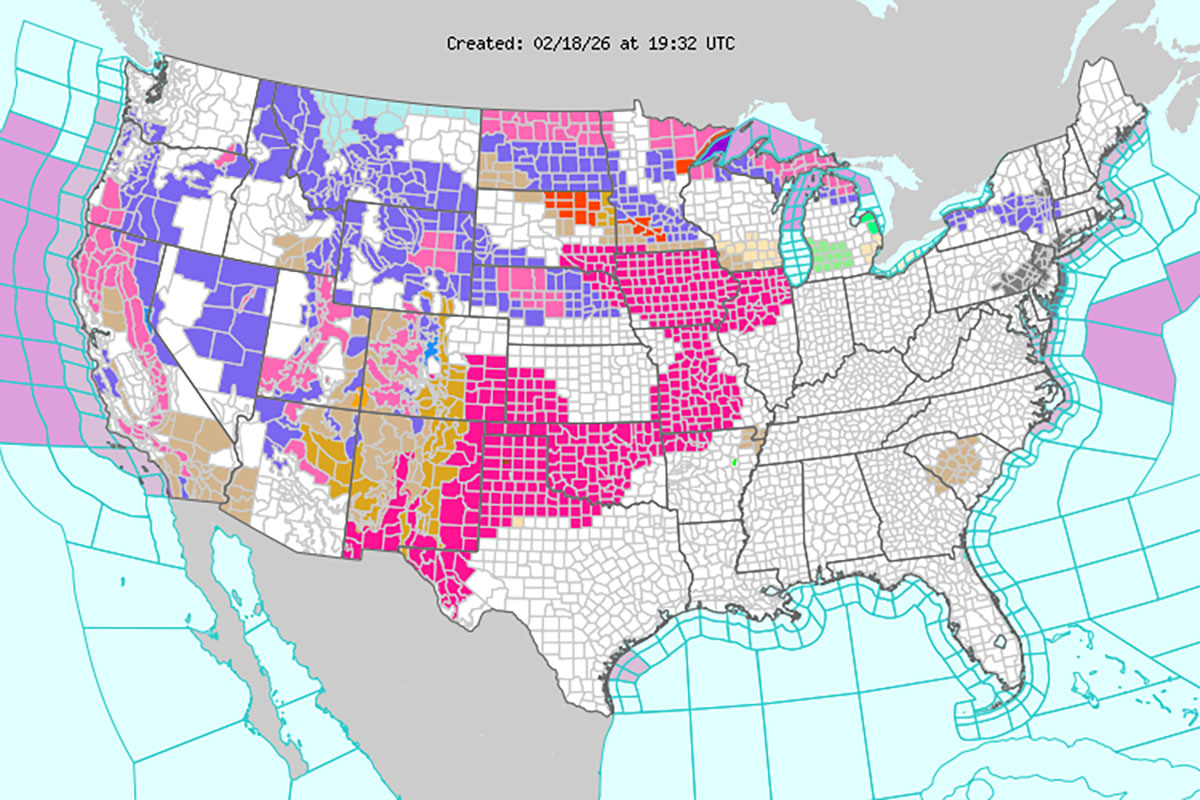
The U.S. National Weather Service (NWS) and Environment Canada have issued warnings for high winds, wildfires, dust storms, heavy snowfall, freezing rain, and…