Dedicated to helping businesses and individuals prioritize safety, health, and compliance in the workplace. From small startups to large corporations, safety is essential, and we're here to make it easier.


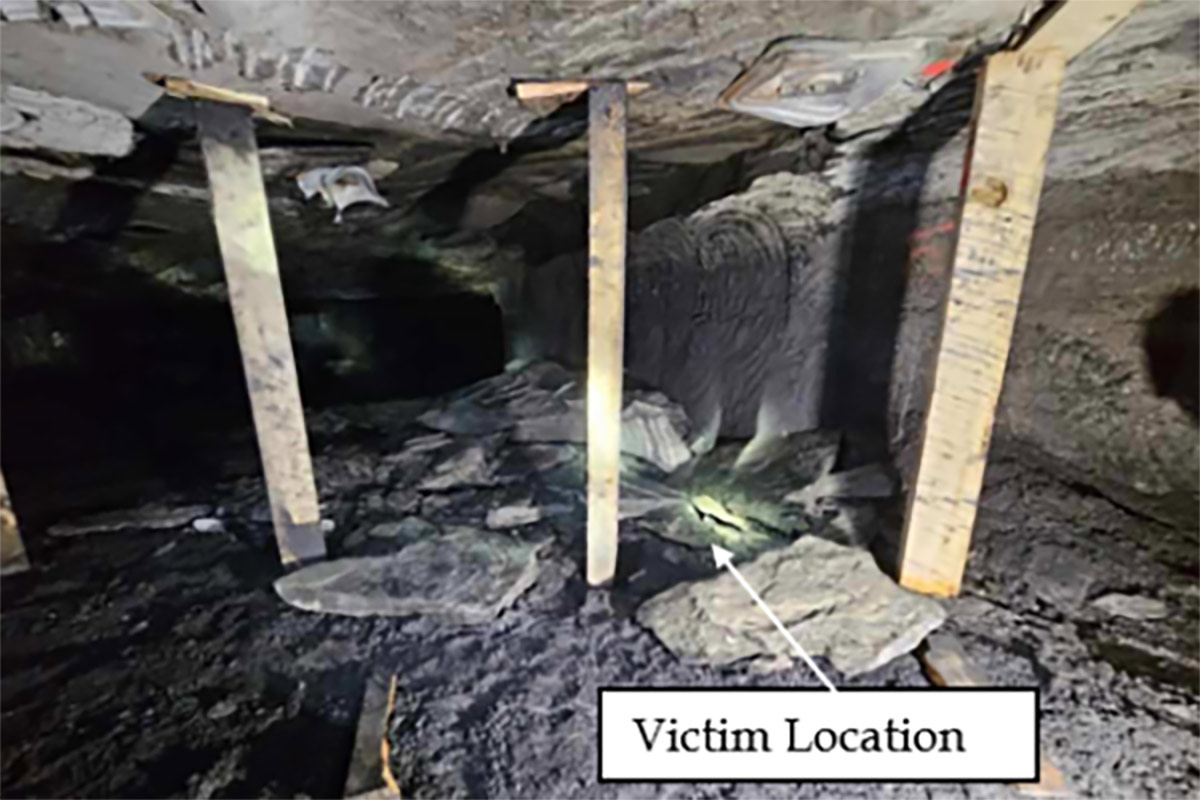
The U.S. Mine Safety & Health Administration (MSHA) recently issued a ground fall safety alert.
During the first seven months of 2026, there were approximately 150 underground “Fall of Roof or Back” accidents reported to MSHA, including one fatality that exemplifies the importance of hazard communication.
On April 2, 53-year-old shuttle car operator Aaron Warrix died after being struck by falling rock from the mine roof while setting timber posts during underground retreat mining at Panther Eagle Mine in Whitesville, West Virginia.
MSHA investigators found the day shift excavated lifts larger than what was required by the mine’s roof control plan (RCP). This noncompliant mining sequence prevented proper installation of posts between lifts to supplement the roof support.
Upon completing his pre-shift inspection, the evening shift section foreman did not identify, correct, or make any records of the obvious and extensive hazards and violations created during the day shift by the noncompliant mining sequence and the improper installation of posts.
Immediately after the inspection, miners began excavating the next lift using a continuous mining machine (CMM). The foreman did not make adjustments to the mining sequence to achieve compliance with the RCP.
Both the day and evening foremen should have noticed the obvious excessive widths and depths of both lifts, and the absence of posts. Additionally, the extensive amount of time each CMM would have been in these cuts should have alerted them that the mining sequence in the RCP was not being complied with.
MSHA investigators determined the section foremen knew or should have known of these hazardous conditions and should have taken corrective actions by stopping production, installing supplemental support, and repositioning the CMM.
During the mining of the second lift, the CMM struck two roof bolts, removing the bearing plate completely from one and damaging the other. The damaged roof support - combined with the absence of posts - increased the span of unsupported roof, allowing roof strata to sag and become unstable.
The compromised mine roof support exposed loose, unsupported draw rock that later fell on and killed Warrix.
During retreat mining, roof falls are very common. A diligent, continual observation of the mining sequence and roof support - both permanent and supplemental - is essential during the mining cycle and examinations.
Ground fall accidents remain a common cause of injuries in mining operations, especially as changing seasonal conditions introduce increased moisture into the environment.
While these hazards can occur anywhere underground, they are most frequently associated with older workings that have been exposed to weathering and extended stand‑up times. These can also be associated with inadequate inspection, scaling, and supplemental support procedures.
MSHA recommended the following best practices to protect against ground falls:


Donald Halsing is the Founding Editorial Director of Work Safety 24/7. He was formerly the Associate Editor of Robotics 24/7.
Don's experience spans the supply chain, logistics, and construction industries, having worked in both warehouse operations and land surveying. He is also a professional wedding photographer with his fiancée Ashley.

Join our Safety Briefing newsletter and get safety news across logistics, warehousing, manufacturing, construction, and other high-risk environments. Get the latest regulatory updates, alerts, safety products, equipment and training, and analysis.
Don't miss a single news story, product review or safety resource. Subscribe to our newsletter for the latest safety news, updates, and exclusive offers.