Dedicated to helping businesses and individuals prioritize safety, health, and compliance in the workplace. From small startups to large corporations, safety is essential, and we're here to make it easier.


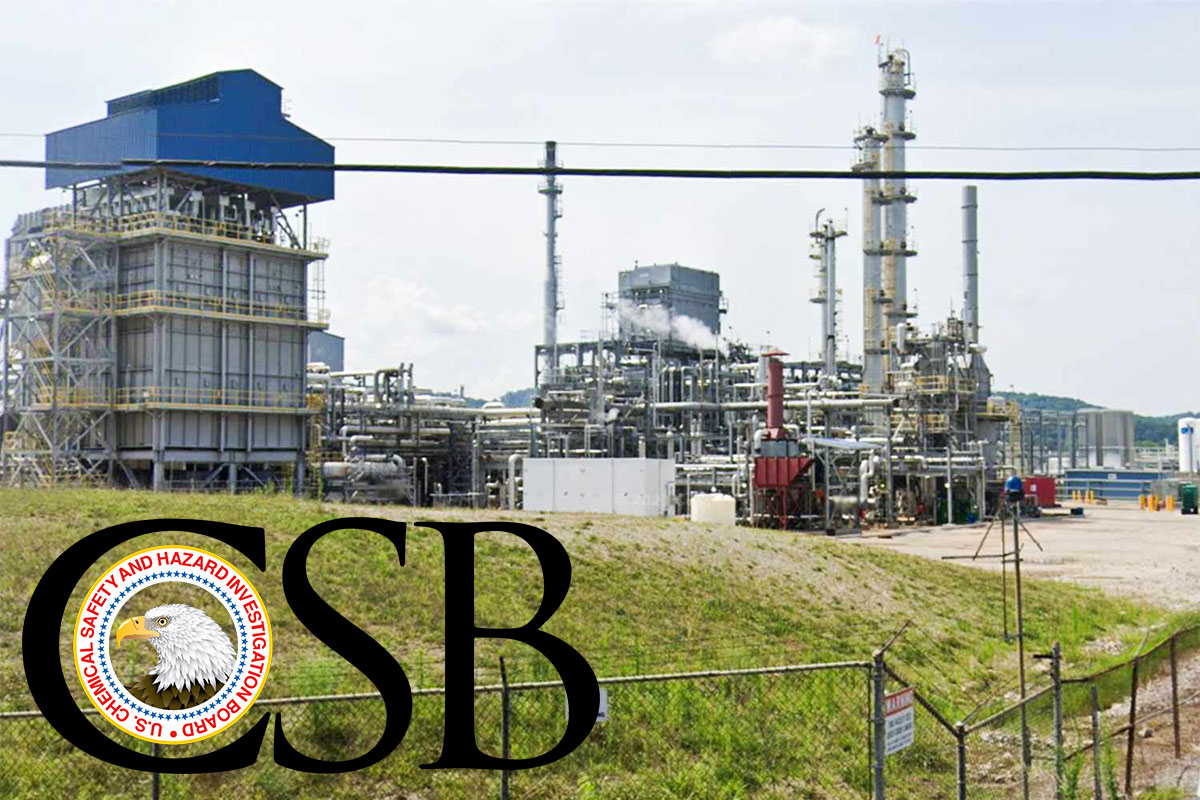
The CSB today released an update on its investigation into the deadly April 22 release of highly toxic hydrogen sulfide gas at the Ames Goldsmith Corporation’s Catalyst Refiners, Inc. facility in Institute, West Virginia.
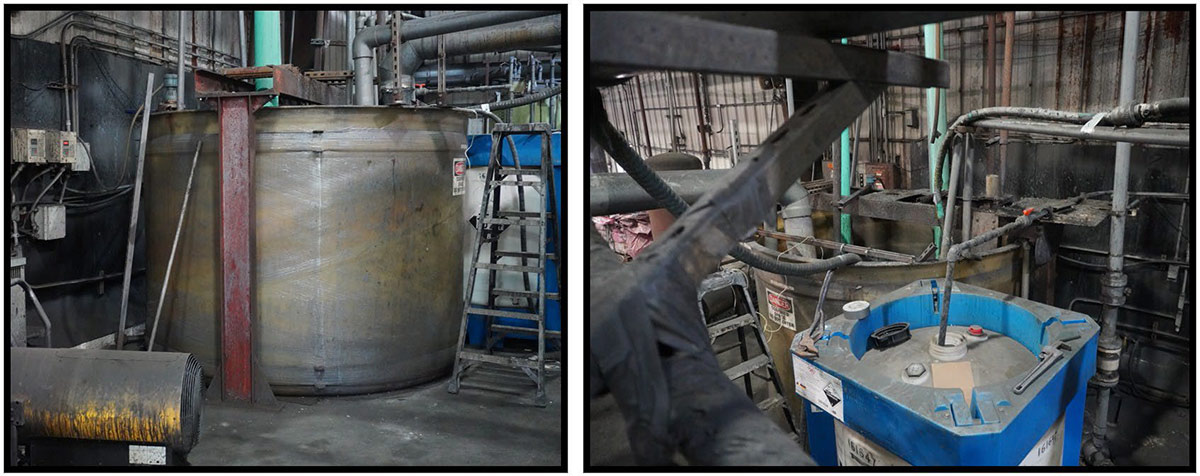
Two employees were killed, and four others were seriously injured, after a chemical reaction occurred and produced highly-toxic vapors during the transfer of chemicals into a wastewater receiving tank in connection with decommissioning activities at the facility.
The Catalyst Refiners facility conducted silver and ethylene oxide catalyst refining operations. The facility reclaimed silver from spent catalyst and manufactured silver oxide. The company’s refining operations involved processing spent catalyst and recovering silver for reuse.
At the time of the incident, Catalyst Refiners had ceased silver reclamation operations and was decommissioning the facility. However, the facility’s wastewater pretreatment system remained in operation.
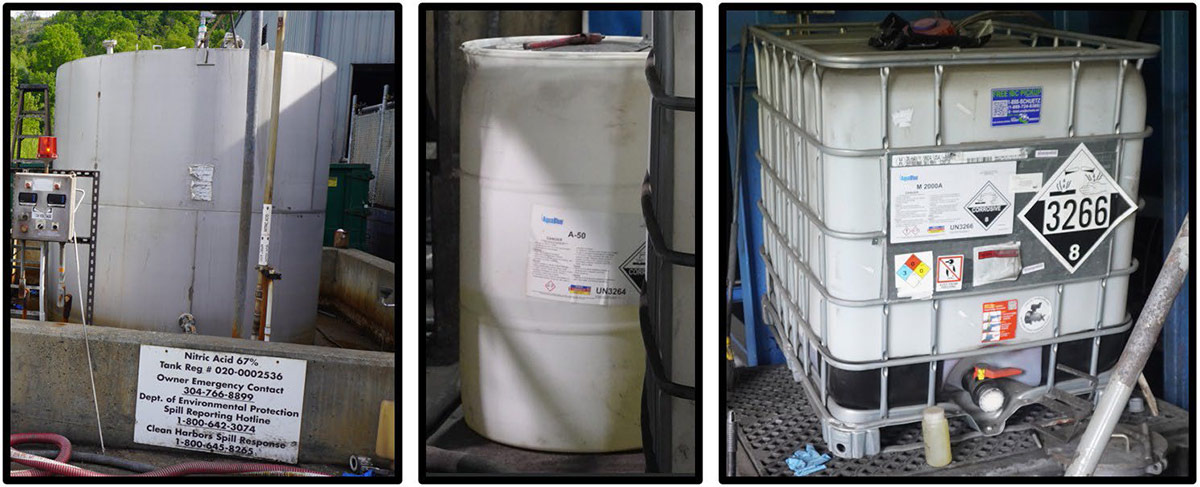
As part of the decommissioning process, employees were disposing of various chemicals that were still on site. Two proprietary chemicals were used to recover silver from the facility’s wastewater:
A third chemical, nitric acid, was used in the reclamation process. Catalyst Refiners did not have a written procedure for disposing of these chemicals through the wastewater treatment system.
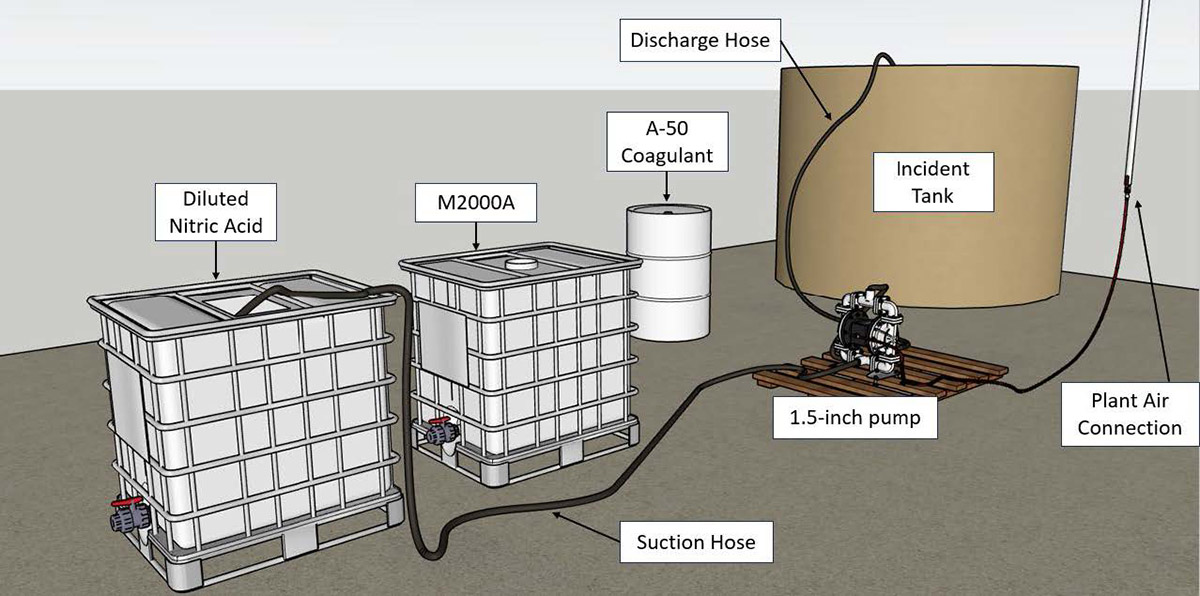
On April 22, the day of the incident, employees first pumped roughly 80 gallons of A-50 and 275 gallons of M-2000A from their storage containers into a wastewater receiving tank. The employees then began pumping diluted nitric acid from a tote into the same tank.
As the nitric acid was being pumped into the wastewater tank, the employees observed a chemical reaction occurring and a fog forming over the tank. The employee who was operating the pump stopped the flow of nitric acid into the tank. The employee went outside to get some fresh air but then passed out. The employee subsequently regained consciousness.
A supervisor who had been notified about the issue with the chemicals approached the tank area and also lost consciousness.
Two additional employees who were not involved in the chemical transfer also entered the area to assist. One of these employees pulled the unconscious supervisor away from the tank area. The supervisor recovered, but the employee who had come to the supervisor’s assistance, as well as the one who also had entered the area, were both overcome by the vapors emitting from tank and later died.
Emergency responders subsequently detected hydrogen sulfide at the facility. A shelter-in-place order was issued for an area within one mile of the facility. Twenty-two personnel, including four responders, were decontaminated at the site, and 18 were transported to local medical facilities for evaluation.
Hydrogen sulfide is a colorless, highly toxic gas that can cause serious injury or death. A concentration of 100 parts per million is considered immediately dangerous to life or health (IDLH).
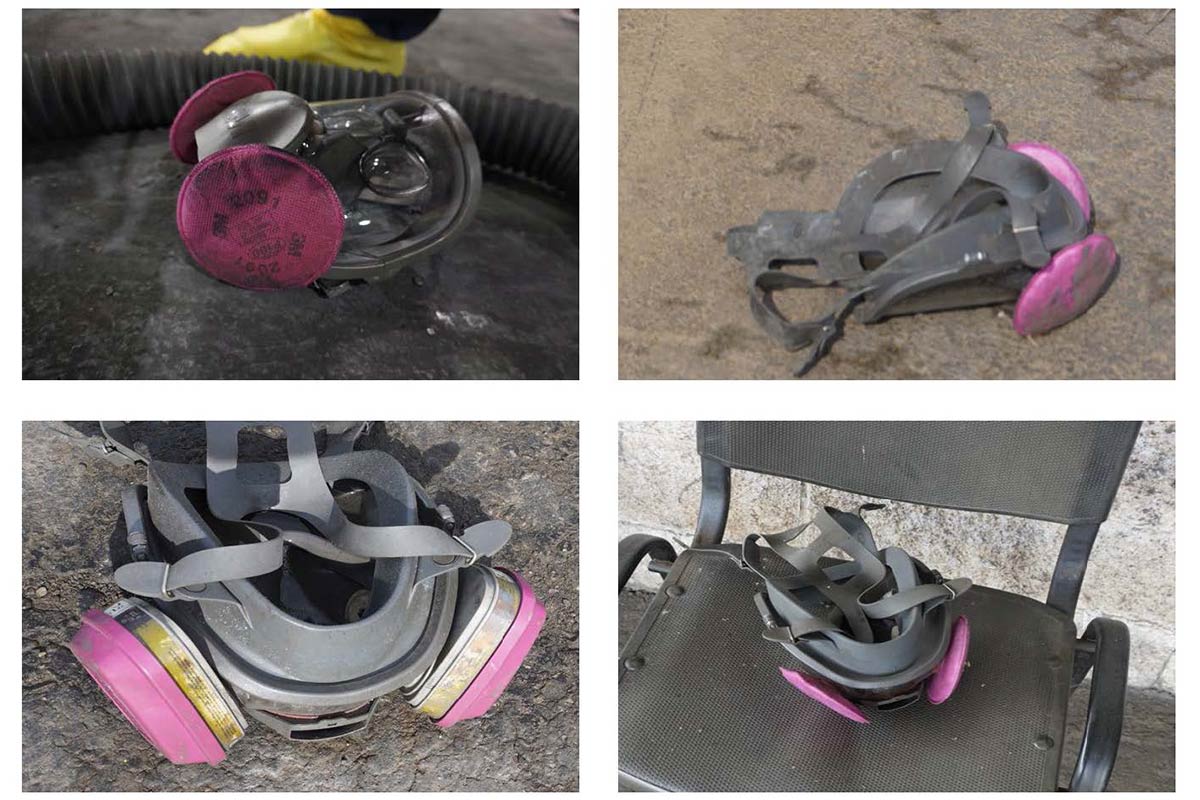
The CSB found four full-face respirators at the facility, but they were not all equipped with filters that would protect against hazardous gases such as hydrogen sulfide.
Additionally, workers at the facility told the CSB that respirator use was no longer required after the facility transitioned from production to decommissioning. Catalyst Refiners also did not provide or require employees or contractors to use personal gas monitors.
“This tragic incident underscores the need to have clear procedures and safely manage the serious chemical hazards that can arise during facility decommissioning. Although the CSB’s investigation is still ongoing, we are concerned that Catalyst Refiners did not require employees to wear respirators during decommissioning and also never provided or required workers to use personal gas monitors that might have alerted them to the presence of the highly toxic hydrogen sulfide gas.”
— CSB Chairperson Steve Owens
Moving forward the CSB will continue to further analyze several key issues, including:
The CSB’s investigation remains ongoing. Complete findings, analyses, and recommendations, if appropriate, will be included in its final investigation report.


The U.S. Chemical Safety Board (CSB) is an independent, nonregulatory federal agency that investigates the root causes of major chemical incidents. The Board does not issue citations or fines, but makes safety recommendations to companies,…
Join our Safety Briefing newsletter and get safety news across logistics, warehousing, manufacturing, construction, and other high-risk environments. Get the latest regulatory updates, alerts, safety products, equipment and training, and analysis.
Don't miss a single news story, product review or safety resource. Subscribe to our newsletter for the latest safety news, updates, and exclusive offers.