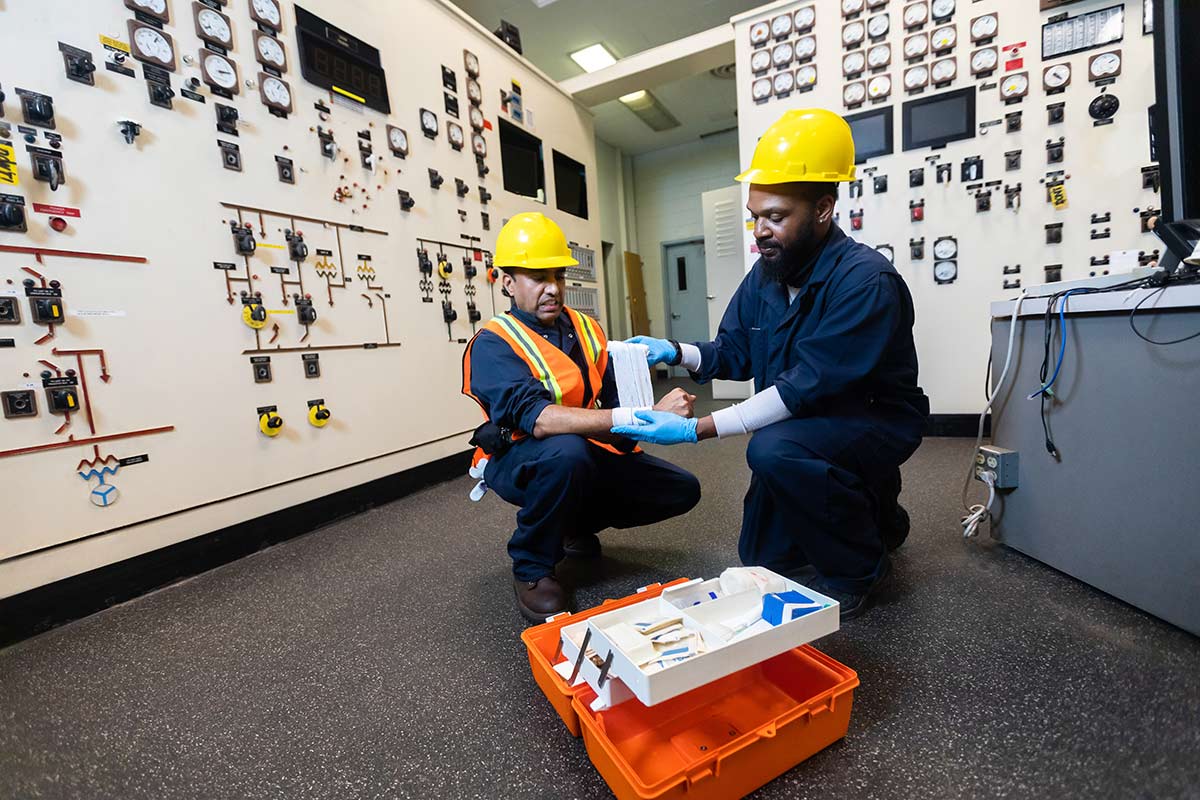
Dedicated to helping businesses and individuals prioritize safety, health, and compliance in the workplace. From small startups to large corporations, safety is essential, and we're here to make it easier.


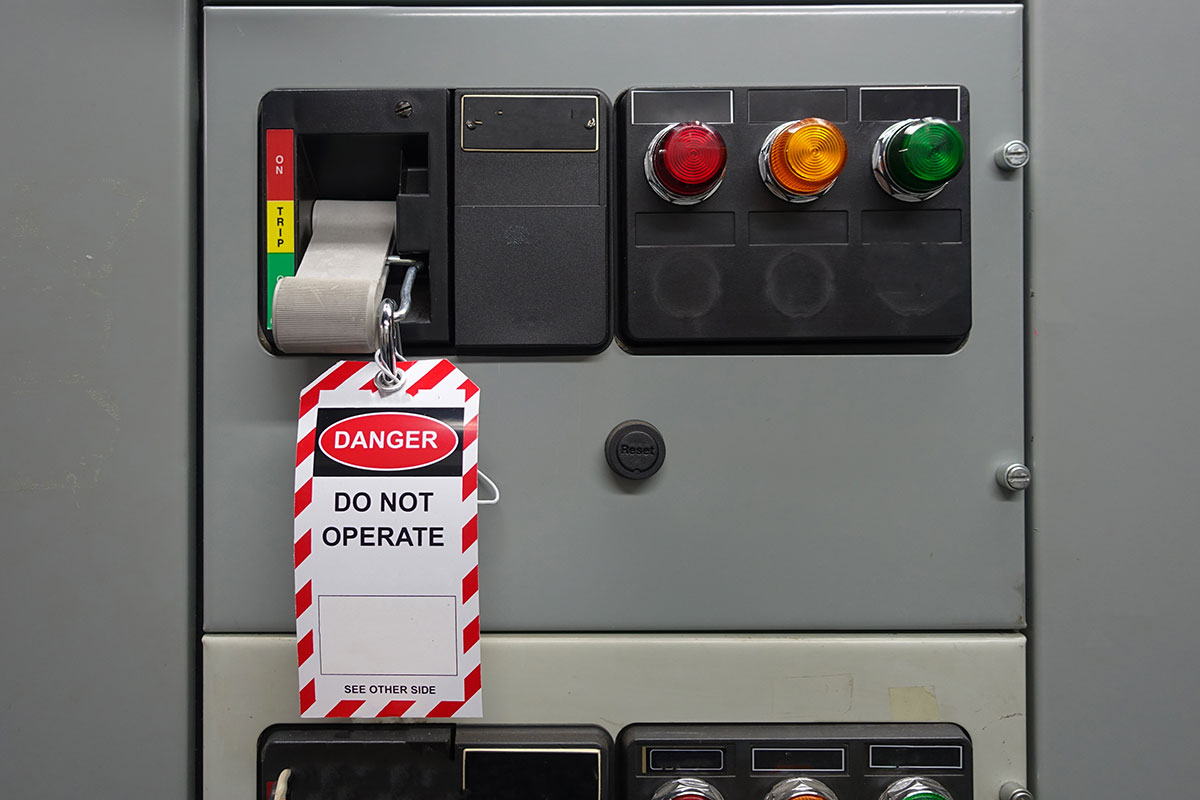
The OSHA standard for The Control of Hazardous Energy (Lockout/Tagout), (29 CFR §1910.147) addresses the practices and procedures for general industry necessary to disable machinery or equipment, thereby preventing the release of hazardous energy while employees perform servicing and maintenance activities.
The standard outlines measures for controlling hazardous energies, including electrical, mechanical, hydraulic, pneumatic, chemical, thermal, and other energy sources.
In addition, Selection and use of work practices (29 CFR §1910.333) sets forth requirements to protect employees working on electric circuits and equipment. This section requires workers to use safe work practices, including lockout/tagout procedures.
These provisions apply when employees are exposed to electrical hazards while working on, near, or with conductors or systems that use electric energy.
Employees servicing or maintaining machines or equipment may be exposed to serious physical harm or death if hazardous energy is not properly controlled.
Craft workers, machine operators, and laborers are among the three million workers who service equipment and face the greatest risk.
Compliance with the lockout/tagout standard prevents an estimated 120 fatalities and 50,000 injuries each year. Workers injured on the job from exposure to hazardous energy lose an average of 24 workdays for recuperation.
The lockout/tagout standard establishes the employer’s responsibility to protect employees from hazardous energy sources on machines and equipment during service and maintenance.
The standard gives each employer the flexibility to develop an energy control program suited to the needs of the particular workplace and the types of machines and equipment being maintained or serviced. This is generally done by affixing the appropriate lockout or tagout devices to energy-isolating devices and by de-energizing machines and equipment. The standard outlines the steps required to do this.
Additionally, Typical minimal lockout procedures (29 CFR §1910.147 Appendix A) may be used as a guide by the employer in order to develop the minimum requirements necessary, in which to develop procedures specific to the standard.
Workers need to be trained to ensure that they know, understand, and follow the applicable provisions of the hazardous energy control procedures. The training must cover at least three areas
The standards establish requirements that employers must follow when workers are exposed to hazardous energy while servicing and maintaining equipment and machinery. Some of the most critical requirements from these standards include the following:


Join our Safety Briefing newsletter and get safety news across logistics, warehousing, manufacturing, construction, and other high-risk environments. Get the latest regulatory updates, alerts, safety products, equipment and training, and analysis.
Don't miss a single news story, product review or safety resource. Subscribe to our newsletter for the latest safety news, updates, and exclusive offers.