Dedicated to helping businesses and individuals prioritize safety, health, and compliance in the workplace. From small startups to large corporations, safety is essential, and we're here to make it easier.


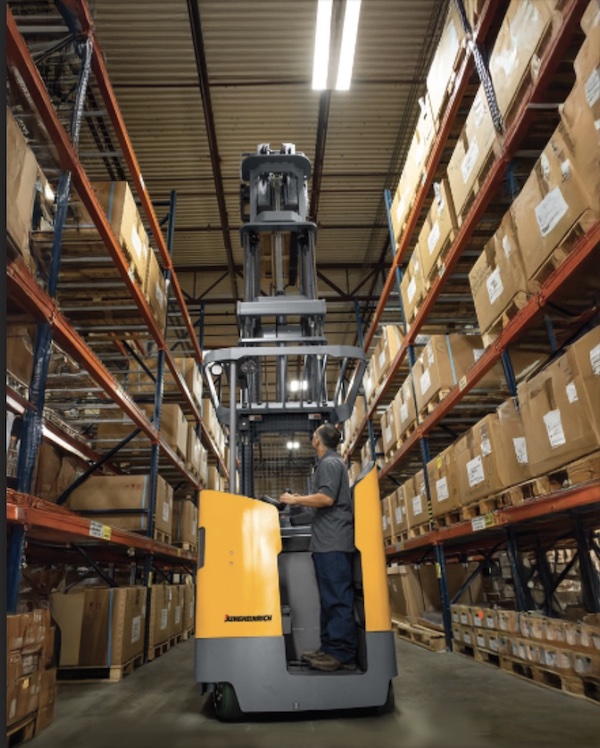
Good lift truck design typically revolves around three main areas of focus: efficiency, maintenance and ergonomics. Each of equal importance, they must be carefully balanced to achieve peak performance.
“You want to be comfortable, but not to the point where you’re sacrificing safety or to the point where you’re sacrificing productivity,” explains Michael Brunnet, senior manager of warehouse and systems truck sales, Mitsubishi Logisnext Americas. “A lot of these hot button issues are intertwined… at the end of the day, having a happy operator, a comfortable operator, along with the right safety protocols, will allow them to be more efficient and will allow them to be able to move more material throughout the day.”
Achieving the right balance often comes down to going directly to the end user. Companies are increasingly including their operators in equipment buying decisions to ensure they are not only choosing the most efficient truck, but also one that’s comfortable and makes the operators’ day-to-day job easier. Keeping the importance of ergonomics in line with efficiency creates happier, more productive operators.
“Ergonomics are incredibly important because, ultimately, the operator has to be comfortable, and they have to be happy with the equipment that’s being purchased by management,” says Brunnet.
Most forklifts come standard with a set of ergonomic features, such as cushioned floor mats or padded seating, but it’s important to consider what may or may not be needed for your individual operation’s needs.
Ergonomics typically centers around the operator compartment or high-touch areas, but this varies depending on the truck type. Reach trucks, for example, historically were designed without seats because they’re operated standing up. Newer models now provide optional flip down seats, so operators can work standing or sitting down.
This added flexibility accommodates for more operator preferences while creating an ergonomic solution for a labor-intensive job.
Add-on equipment and tools can also drastically boost overall productivity. Mitsubishi Logisnext’s RFID transponder technology, for example, works in conjunction with a guidance system to take control of certain aspects of the truck like end-of-aisle control. The sensors bring the truck to a crawl speed or complete stop before it exits the aisle, or if overhead obstructions are present, they can program a lift cut out.
“All of this is assisting the operator so they don’t have to focus on these things to where they can simply focus their attention on doing the task that they need to,” says Brunnet. “We’re making it easier for them to do their jobs.”
Another example is the use of semi-automated lift trucks, where an operator is still on board, but a lot of the truck’s movement is automated.
“The operator will see less fatigue throughout their shift, and they can focus more on moving the product that they need to move, not about driving the forklift and looking out for external factors that we can now control for them using these operator systems,” he adds.


Amy Wunderlin is a freelance supply chain and technology writer. She has written for several weekly and daily newspapers, in addition to trade publications such as Supply & Demand Chain Executive, Food Logistics and Building Operating Management, among others. She is a 2013 graduate of the University of Wisconsin-Whitewater, where she earned her B.A. in journalism.
Join our Safety Briefing newsletter and get safety news across logistics, warehousing, manufacturing, construction, and other high-risk environments. Get the latest regulatory updates, alerts, safety products, equipment and training, and analysis.
Don't miss a single news story, product review or safety resource. Subscribe to our newsletter for the latest safety news, updates, and exclusive offers.