Dedicated to helping businesses and individuals prioritize safety, health, and compliance in the workplace. From small startups to large corporations, safety is essential, and we're here to make it easier.


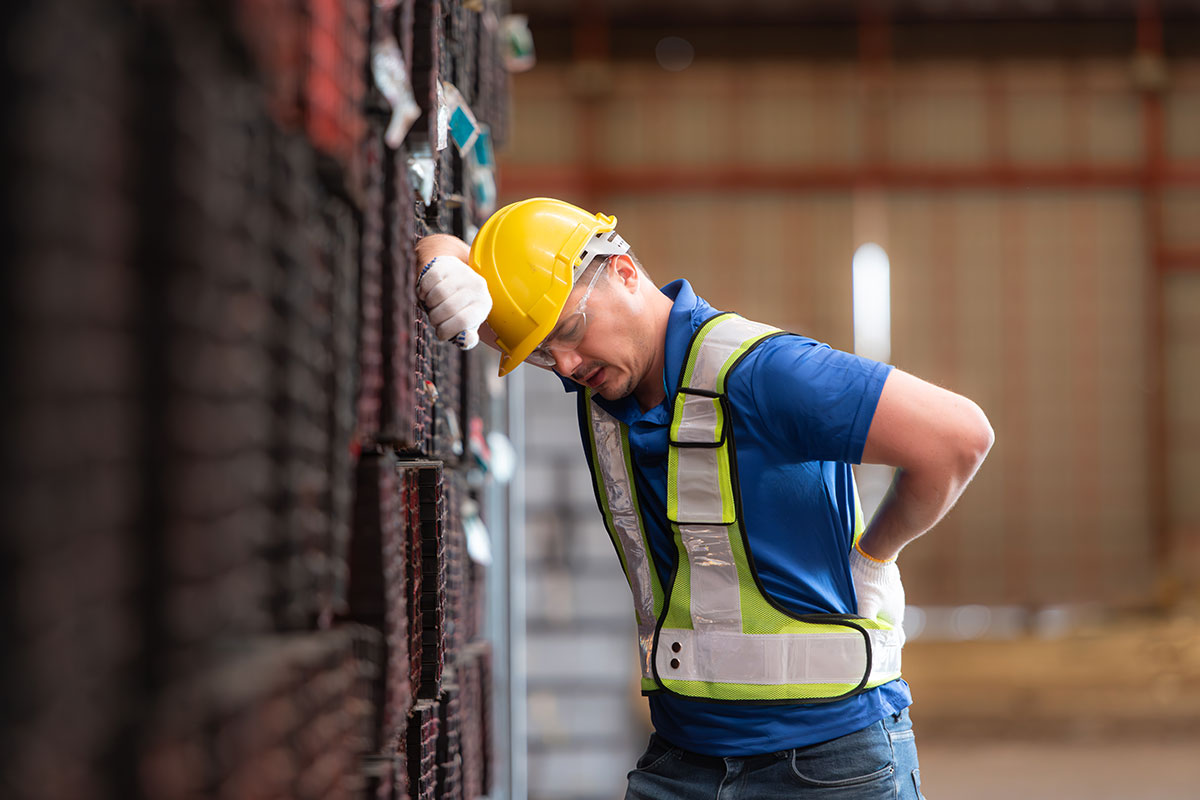
A new study by EDGE Fall Protection ranks the most dangerous industries for American workers based on Bureau of Labor Statistics (BLS) injury rates.
The data shows differences in workplace safety across various occupations, with healthcare facilities, leather manufacturing, and package delivery presenting the highest risks.
| Rank | Industry | Injuries per 10,000 Workers |
|---|---|---|
| 1 | Nursing and residential care facilities | 171.8 |
| 2 | Leather and allied product manufacturing | 53.9 |
| 3 | Couriers and messengers | 51.0 |
| 4 | Transportation equipment manufacturing | 40.7 |
| 5 | Food & beverage manufacturing | 38.6 |
Nursing and residential care facilities were ranked the most hazardous workplaces in America with 171.8 injuries per 10,000 full-time workers. Workers in these settings face numerous hazards including patient handling injuries, workplace violence, and exposure to infectious diseases.
“These numbers tell a clear story about where worker safety needs the most attention,” said Michael McCarty, EDGE Fall Protection chief safety officer. “Healthcare workers caring for our most vulnerable populations face injury rates that should alert everyone to how dangerous these professions really are.”
The leather and allied product manufacturing industry ranks second with 53.9 injuries per 10,000 workers. Machine operation combined with repetitive motions creates physical risks for workers in this sector. Many injuries stem from equipment operation and chemical exposure during leather treatment processes.
Couriers and messengers experience 51.0 injuries per 10,000 workers, placing third on the list. Delivery personnel face daily traffic hazards while meeting tight deadlines and handling packages of varying weights. The recent boom in e-commerce has increased pressure on the workforce, potentially contributing to higher injury rates.
Transportation equipment manufacturing ranks fourth with 40.7 injuries per 10,000 workers. Assembly line work with heavy components and powerful machinery creates numerous opportunities for injuries despite increasing automation. Workers in this sector often perform physically-demanding tasks repeatedly throughout their shifts.
Food manufacturing completes the top five with 38.6 injuries per 10,000 workers. Sharp cutting tools, hot surfaces, wet floors, and high-speed processing equipment contribute to the hazardous nature of food production environments and add to injury risks.
| Rank | Industry | Injuries per 10,000 Workers |
|---|---|---|
| 1 | Securities, commodity contracts, and financial investments | 0.3 |
| 2 | Personal and laundry services | 2.3 |
| 3 | Retail sporting goods, hobby, musical instrument, and bookstores | 2.5 |
| 4 | Data processing, hosting, and related services | 3.1 |
| 5 | Textile product mills | 3.8 |
At the opposite end of the spectrum, the securities and financial investments industry proves to be the safest working environment in America with just 0.3 injuries per 10,000 workers. Office-based environments with minimal physical requirements contribute to this sector's excellent safety record as most work involves computer-based tasks in climate-controlled settings.
Personal and laundry services rank as the second safest industry with only 2.3 injuries per 10,000 workers. Despite involving some equipment and chemical handling, this service sector maintains strong safety standards and relatively low-risk work environments.
Retail environments focusing on sporting goods, hobby items, musical instruments, and books rank third safest with 2.5 injuries per 10,000 workers. The controlled indoor environment and lighter lifting requirements contribute to these stores' strong safety performance compared to other retail sectors.
Data processing and hosting services place fourth among the safest industries with 3.1 injuries per 10,000 workers. Computer-based work naturally presents fewer physical hazards than manual labor industries. Most injuries in this sector relate to ergonomic issues rather than accidents.
Textile product mills round out the five safest industries with 3.8 injuries per 10,000 workers. Modern safety equipment and increased automation have significantly reduced the once-common injuries in textile manufacturing.
“The vast disparity between the most and least dangerous industries underscores the importance of industry-specific safety measures,” McCarty said. “Some sectors experience injury rates over 500 times higher than others, so targeted approaches to workplace safety remain essential for protecting American workers.

EDGE Fall Protection, LLC provides temporary and permanent roof fall protection systems, safety gates, skylight protection, and ladders to protect both personnel and equipment.

Join our Safety Briefing newsletter and get safety news across logistics, warehousing, manufacturing, construction, and other high-risk environments. Get the latest regulatory updates, alerts, safety products, equipment and training, and analysis.

Don't miss a single news story, product review or safety resource. Subscribe to our newsletter for the latest safety news, updates, and exclusive offers.