Dedicated to helping businesses and individuals prioritize safety, health, and compliance in the workplace. From small startups to large corporations, safety is essential, and we're here to make it easier.


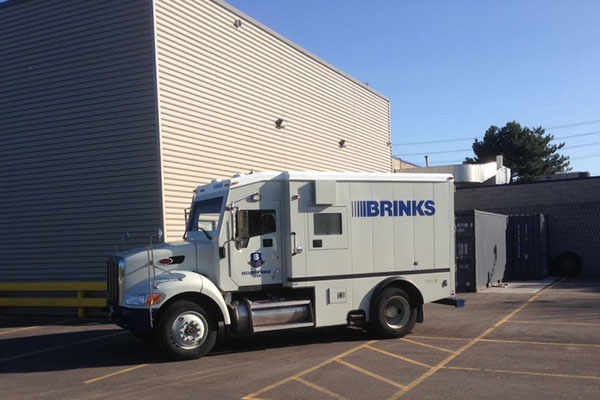
The Canada Industrial Relations Board (CIRB) has dismissed an appeal by armored delivery services provider Brinks and upheld a worker's refusal to perform what was deemed dangerous work.
Private sector union Unifor said the ruling delivers a significant safety victory for armored car employees it represents.
The ruling centers on a Toronto-based Armored Car Messenger and member of Unifor Local 112 who refused a work assignment after Brinks directed two-person crews to split up inside shopping malls. Under the arrangement, both workers would operate as messengers, leaving each employee to collect and carry valuables without the protection of a guard.
A Canadian health and safety officer originally sided with the worker in June 2022, finding the assignment created a danger. Brinks appealed that decision, but the CIRB has now dismissed the appeal and confirmed the officer's direction.
According to the Board, a danger existed at the time of the work refusal, and that danger was not a normal condition of employment. The case was resolved without a hearing.
"No worker should ever be forced to choose between their safety and their job," said Lana Payne, Unifor National President. "This decision is a powerful affirmation that the right to refuse dangerous work is real and protected under federal law. Armored car workers face serious risks every day, and no employer can strip away those protections in the name of cutting costs. When our members raise the alarm, Unifor backs them all the way."
The union argued that separating the crews created an "unacceptable risk" by removing the guard protection that has traditionally accompanied armored transportation work.
"This ruling matters far beyond a single workplace," said Samia Hashi, Unifor Ontario Regional Director. "It tells every armored car carrier in this country that splitting crews and sending messengers out alone, without a guard, is not acceptable. The safety procedures that protect armoured transport workers exist because the work is dangerous, and they cannot be cast aside for the sake of efficiency. Our members at Brinks fought for this, and workers right across the sector are better off for it."
The decision means Brinks can no longer use the operating model that prompted the work refusal. It also serves as a warning to other armored transportation companies considering similar staffing arrangements.
Unifor said approximately 800 Brinks employees across Canada could benefit from the ruling. In practical terms, the decision requires the company to maintain the guard protections and safety procedures already associated with armored car crews.

Join our Safety Briefing newsletter and get safety news across logistics, warehousing, manufacturing, construction, and other high-risk environments. Get the latest regulatory updates, alerts, safety products, equipment and training, and analysis.
Don't miss a single news story, product review or safety resource. Subscribe to our newsletter for the latest safety news, updates, and exclusive offers.