Dedicated to helping businesses and individuals prioritize safety, health, and compliance in the workplace. From small startups to large corporations, safety is essential, and we're here to make it easier.


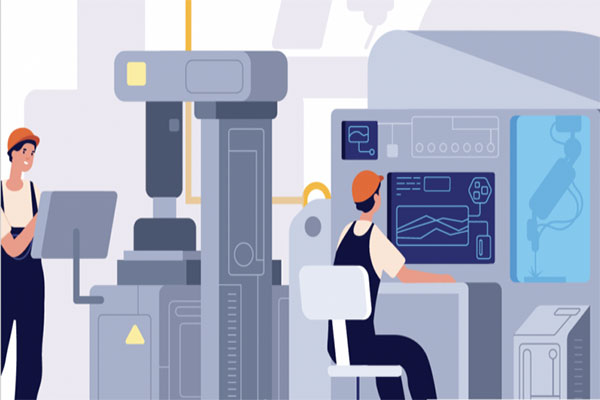
The Advanced Robotics for Manufacturing Institute (ARM) recently publicly released its Future of Work study. The study, previously issued to ARM Institute members, details how advanced technologies - chiefly robotics, automation, and AI - are changing the nature of manufacturing careers, as well as actions the institute expects will be needed to prepare the U.S. workforce for these changes.
Manufacturing, and the development of technology to improve manufacturing, have been a source of American prosperity and national security for over a century. The introduction of disruptive technologies, which can address critical areas of need in manufacturing, are also changing the nature of work for U.S. manufacturers, the ARM Institute said. New skills and different types of training are needed to prepare workers.
Leveraging existing research, interviews, and case studies from across the institute’s network, ARM said this study provides key insights on workforce issues and programs that are helping prepare workers for changes that are already here and those that are on the horizon. This new study provides lessons learned, best practices, and actionable steps that educators, employers, and labor unions can take in order to build a future-ready manufacturing workforce.
“The integration of robotics and AI into manufacturing environments poses a significant opportunity to strengthen U.S. manufacturing,” said Lisa Masciantonio, ARM Institute chief workforce officer. “However, a collective effort is needed to ensure that the manufacturing workforce has the skills needed to take on new roles created by these technologies. The ARM Institute plays a key role in preparing workers by making information about training and jobs more accessible and by raising awareness about robotics career opportunities in manufacturing.”
Select findings from the ARM Institute’s report include:
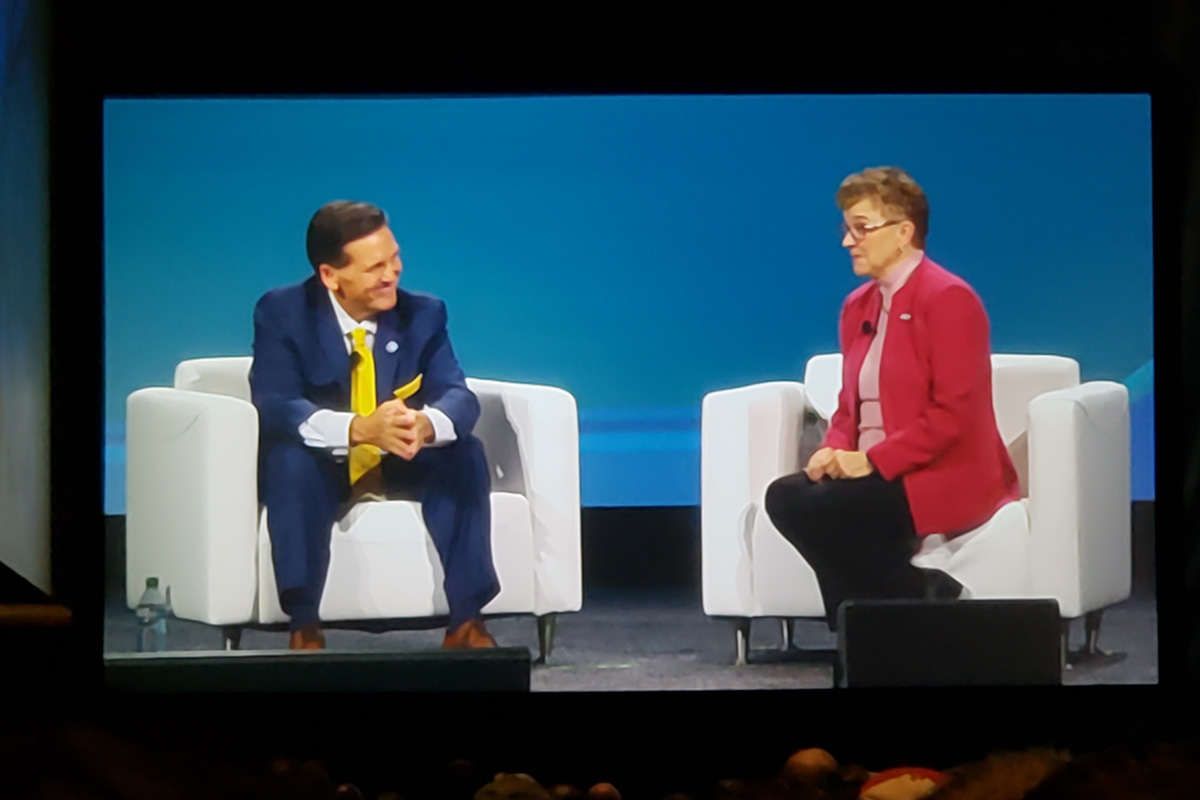
The ARM Institute offered a very special thanks to Elisabeth “Liz” Beck Reynolds, an independent manufacturing industry advisor, for her conversations and insight as a motivating force for the ARM Institute in studying the future of work, and for her efforts in this area as former special assistant to President Biden for manufacturing and economic development.
The ARM Institute also thanked the following organizations for their contributions to its report: the Block Center for Technology and Society at Carnegie Mellon University, AccuRounds, AFL-CIO Technology Institute, Airbus Americas, AmSkills, APT Manufacturing, Association for Advancing Automation (A3), A.W. Beattie Career Center, Boston Dynamics, Commonwealth Center for Advanced Manufacturing, Duro Workforce, Festo Didactic Inc, Heinz College at Carnegie Mellon University, Lorain County Community College, the Manufacturing Futures Institute at Carnegie Mellon University, Motlow State Community College, National Association of Workforce Boards, National Coalition of Advanced Technology Careers (NCATC), New Century Careers, NSF Corps at Drexel University, Office of the Secretary of Defense (OSD) Manufacturing Technology Program, RapidTPC, Robins Air Force Base, Robotics Academy at Carnegie Mellon University, Robotics Education and Competition Foundation, SimInsights, Southwest Alabama Partnership for Training and Employment, Stellantis, TechSolve, United Auto Workers, The Uniquely Abled Project, University of Illinois Workforce and Education Research Collaborative, Wharton School at University of Pennsylvania, and Westchester Community College.

Join our Safety Briefing newsletter and get safety news across logistics, warehousing, manufacturing, construction, and other high-risk environments. Get the latest regulatory updates, alerts, safety products, equipment and training, and analysis.
Don't miss a single news story, product review or safety resource. Subscribe to our newsletter for the latest safety news, updates, and exclusive offers.