Dedicated to helping businesses and individuals prioritize safety, health, and compliance in the workplace. From small startups to large corporations, safety is essential, and we're here to make it easier.


The U.S. Chemical Safety and Hazard Investigation Board (CSB) is an independent, nonregulatory federal agency charged with investigating the root causes of major chemical incidents and hazards that result, or may result, in the catastrophic release of extremely hazardous substances.
The Board does not issue citations or fines, but makes safety recommendations to companies, industry organizations, labor groups, and regulatory agencies such as OSHA and the EPA.
The CSB's public safety mission is to drive chemical safety excellence through independent investigations to protect communities, workers, and the environment. Its core mission activities include conducting incident investigations, formulating preventive or mitigative recommendations based on investigation findings and advocating for their implementation, issuing reports containing the findings, conclusions, and recommendations arising from incident investigations, and conducting studies on chemical hazards.
The agency was created under the Clean Air Act Amendments of 1990. In the CSB’S 25-year history, the agency has deployed to nearly 180 chemical incidents and issued more than 1,000 recommendations that have led to numerous safety improvements across a wide variety of industries.
CSB board members are appointed by the president subject to Senate confirmation.
OSHA investigators concluded U.S. Steel and MPW Industrial Services exposed workers to explosion, struck-by, and high-pressure injection hazards, proposing nearly $180,000 in…
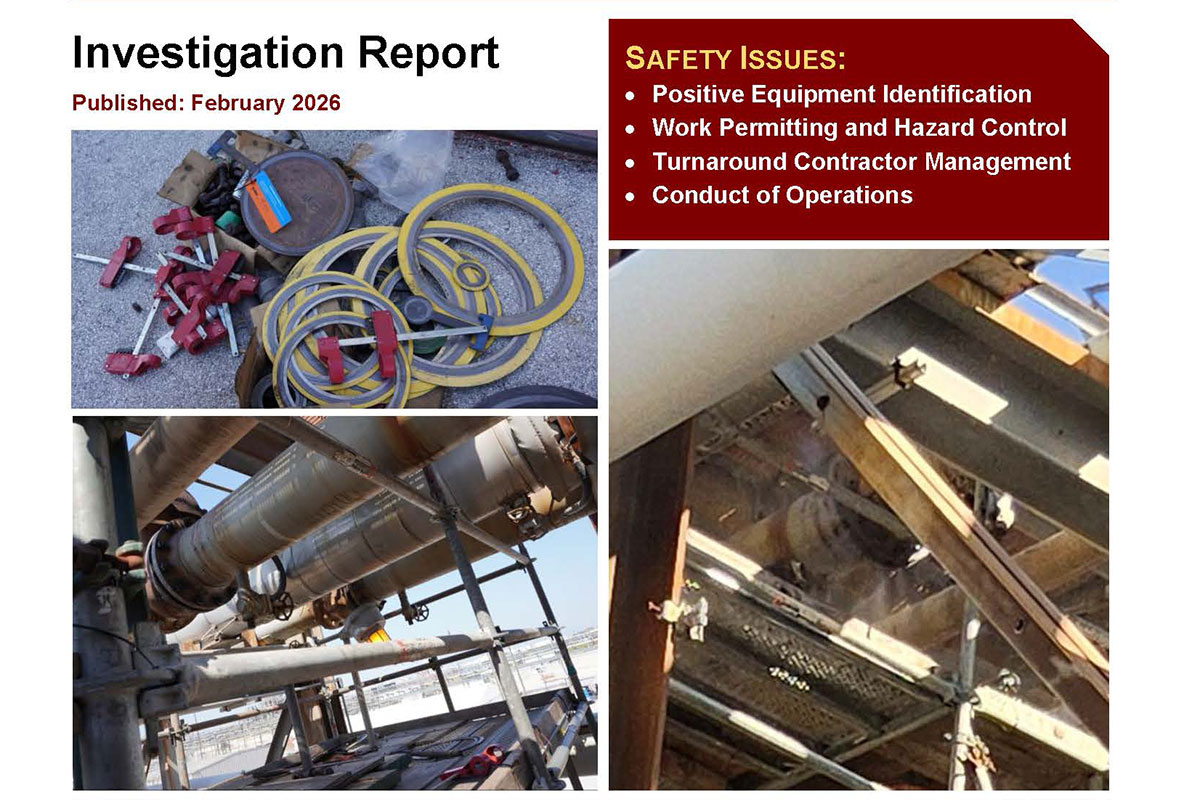
The CSB concluded PEMEX Deer Park Refinery operators and contractors failed to correctly identify process equipment, assess hazards, and deviated from established policies and…
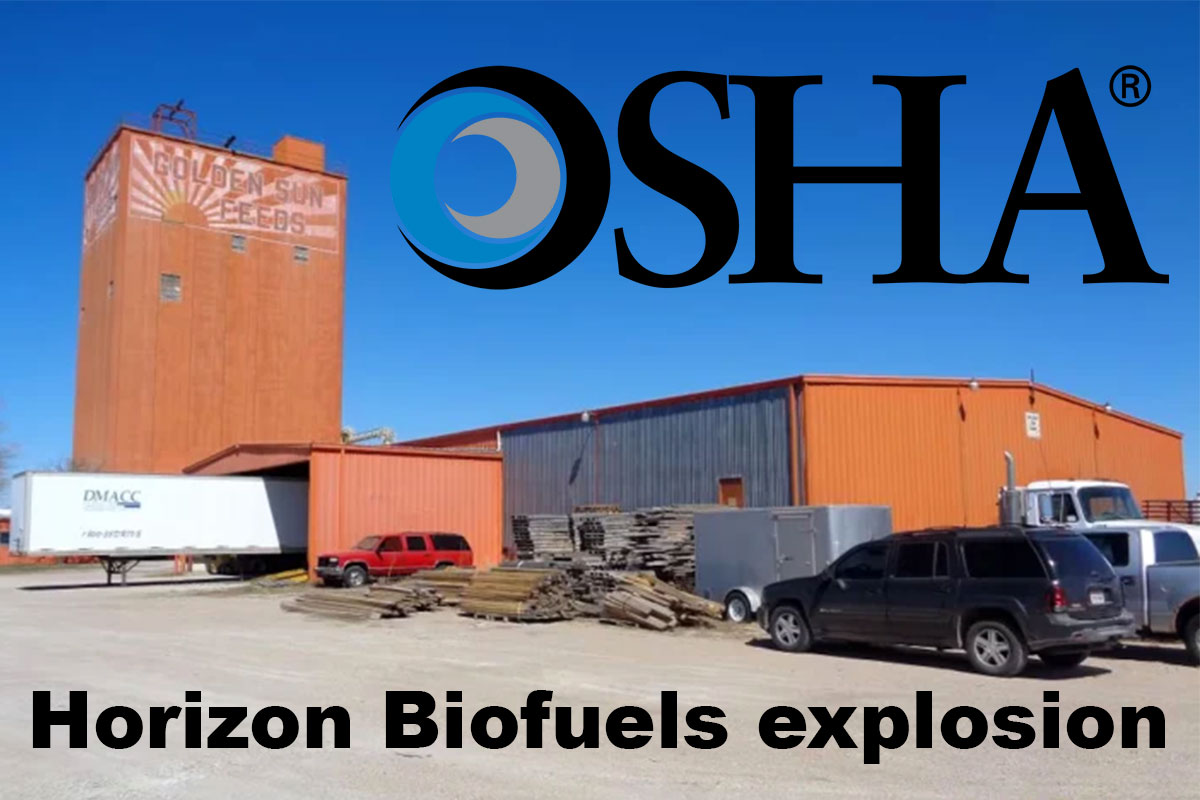
As part of its investigation, OSHA fined Horizon Biofuels nearly $150K for willful safety violations. A combustible dust explosion killed three at its Fremont, Nebraska facility…
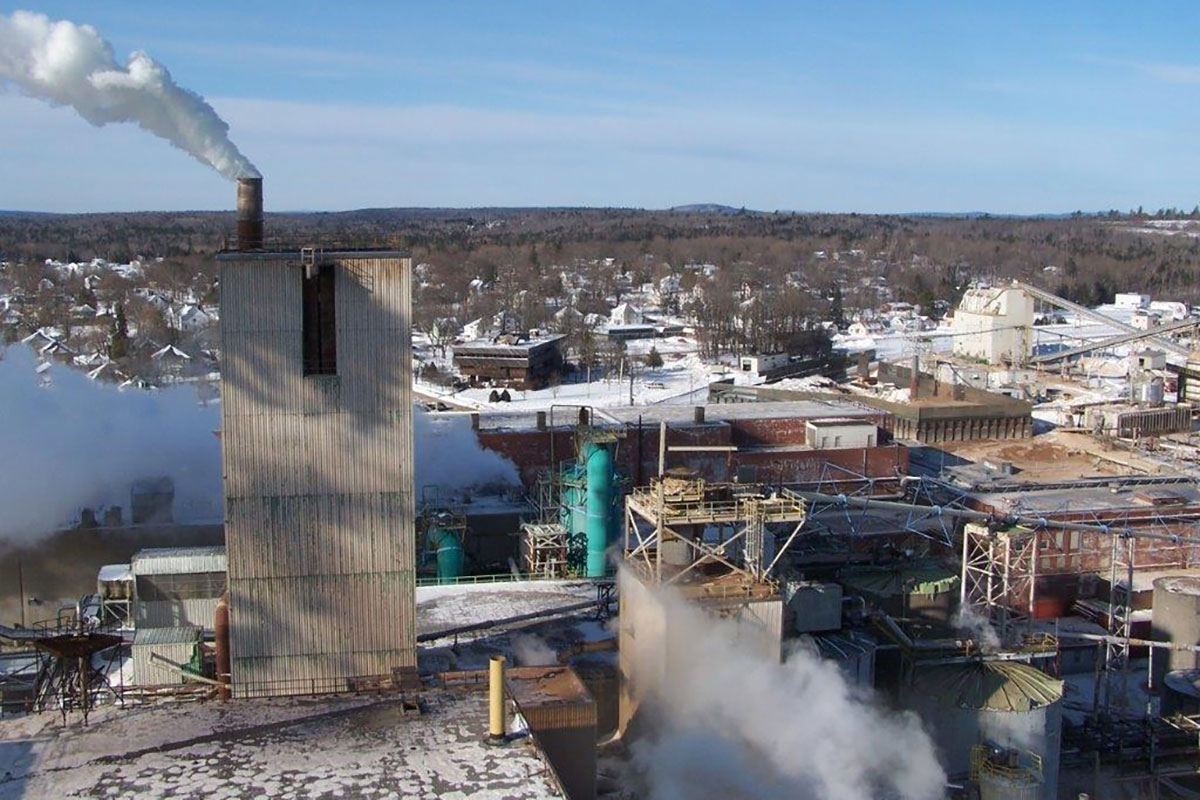
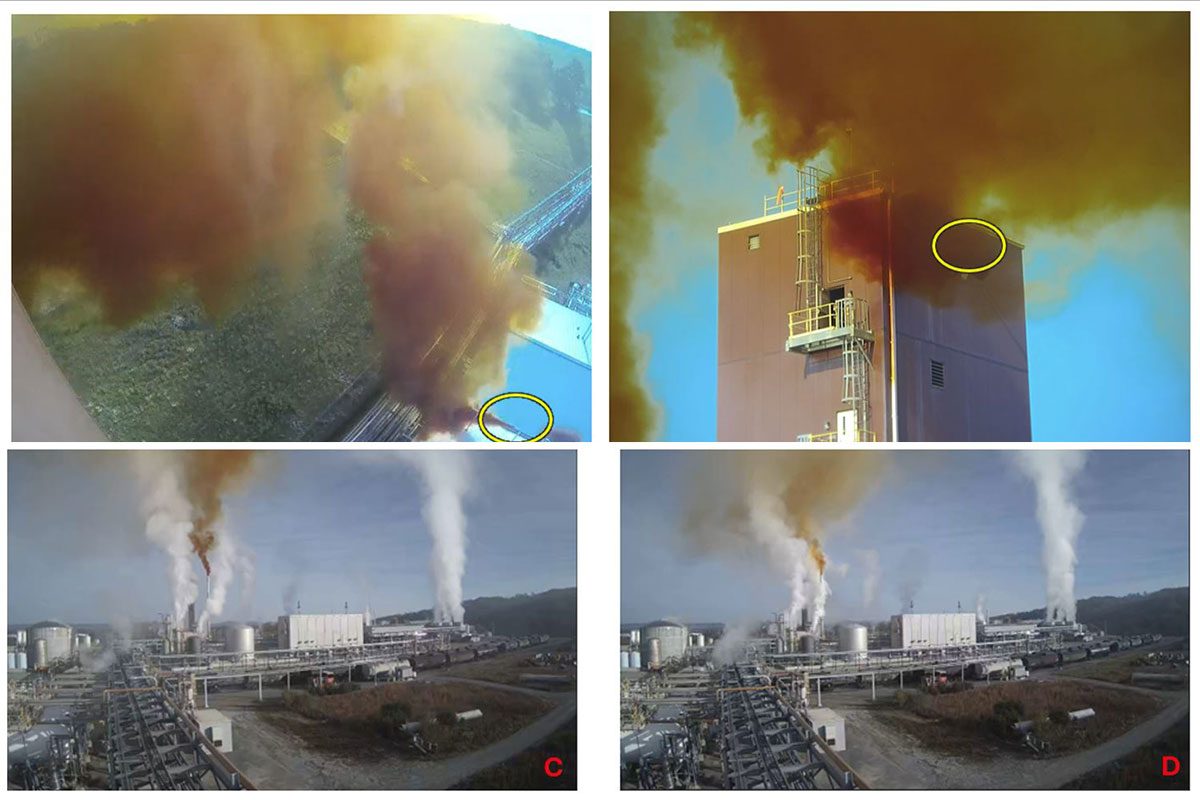
According to initial information submitted to the CSB, the fatal incident in Baileyville, Maine may have involved the release of hydrogen sulfide in an enclosed process sewer.
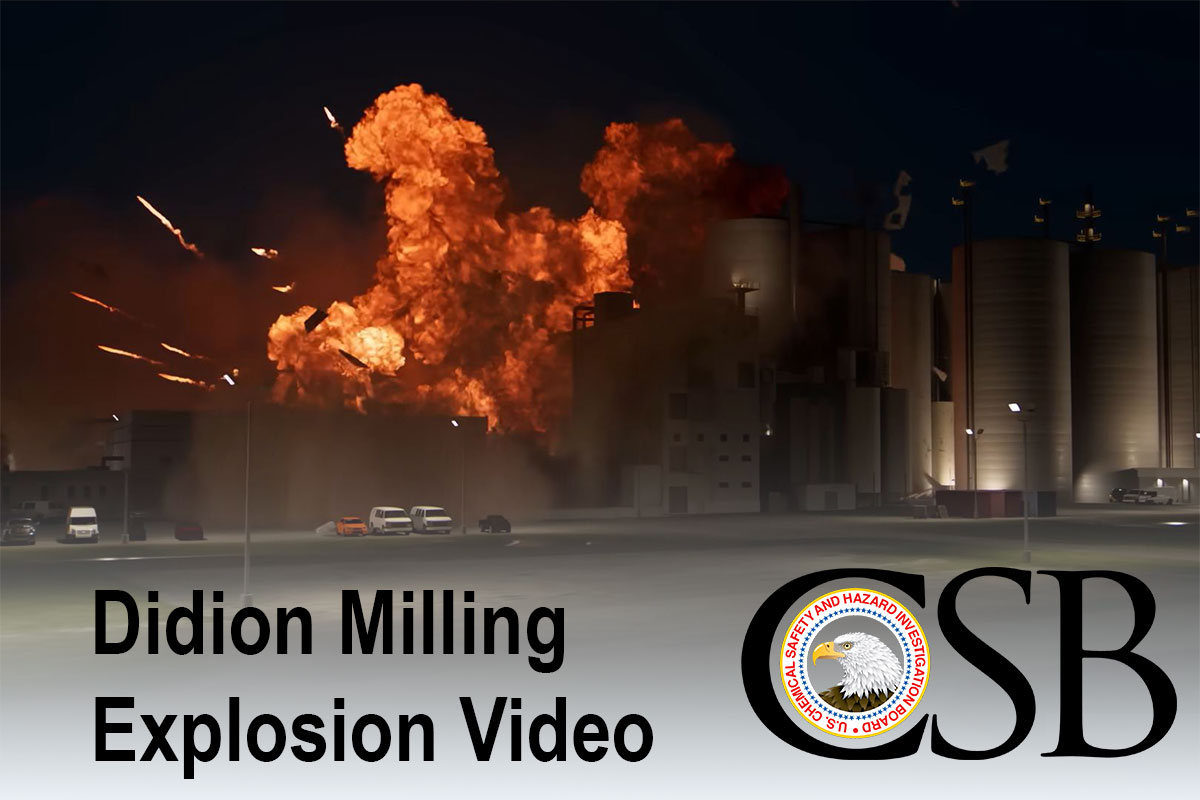
In addition to describing 13 key safety issues, the CSB’s video on the Didion Milling explosion calls on OSHA to develop an overarching combustible dust standard for general…
The CSB commended the St. Louis, Missouri, Board of Aldermen for following its recommendation to revise the city’s Mechanical Code to meet national pressure vessels and boiler…
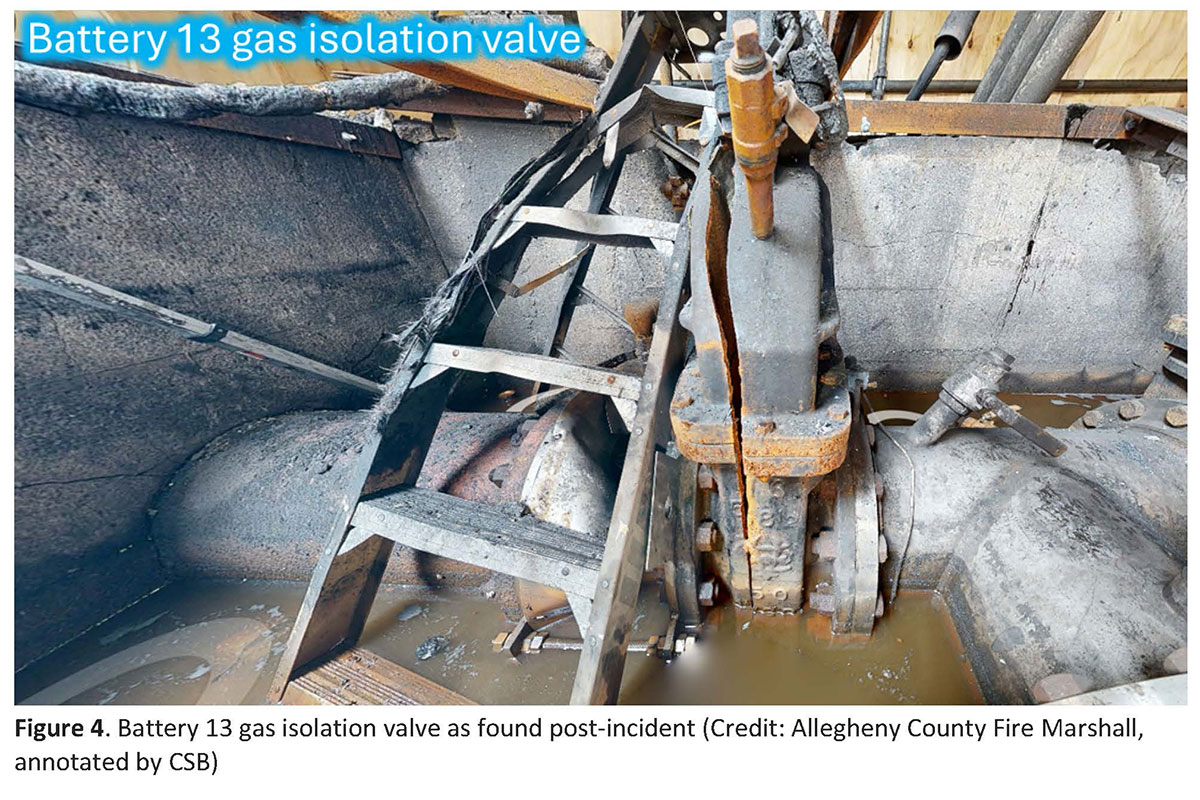
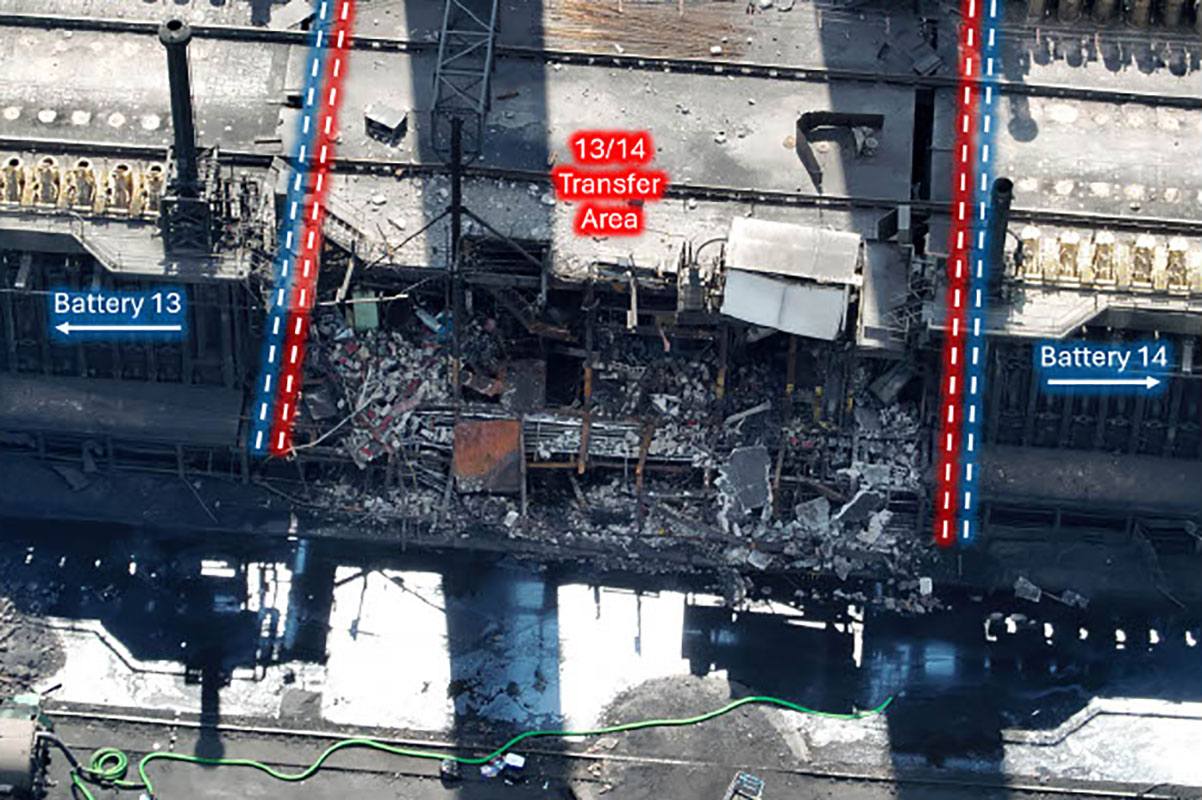
After a fatal explosion, the CSB called on U.S. Steel to conduct a facility siting evaluation at its Clairton Coke Works to address immediate hazards to workers based on…
The U.S. Chemical Safety and Hazard Investigation Board built a strong and dedicated audience on YouTube, gaining 400,000 subscribers and 70 million views across over 100 videos.
A CSB investigation update indicates hazardous nitrogen oxide gas released at Austin Powder in Ohio when a cooling system was shut down and in Tennessee during failed reactor…
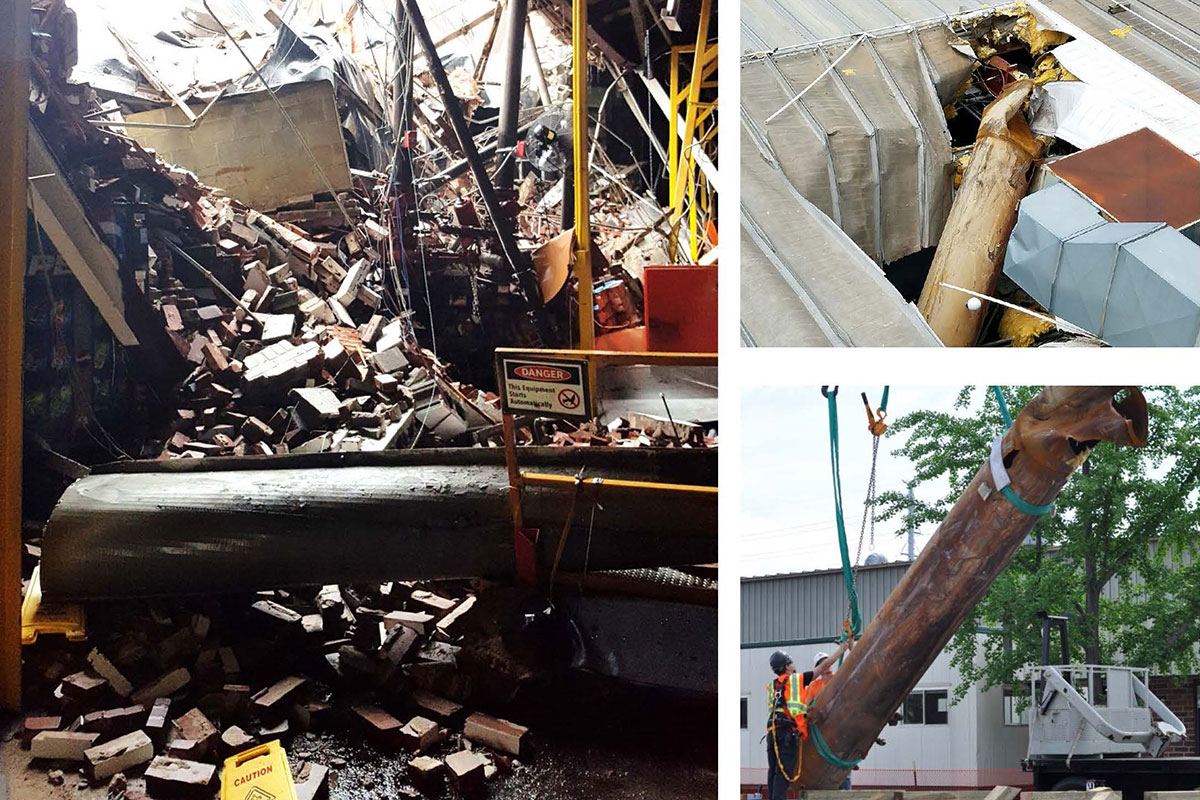
The CSB showed how inadequate testing, engineering controls, and emergency plans contributed to the fatal 2021 Yenkin-Majestic Paint explosion in Columbus, Ohio in its new video.
The Chemical Safety and Hazard Investigation Board is required to hold at least one public meeting each quarter to review its progress in meeting its mission and highlight…
President Trump signed a continuing resolution Nov. 12, allowing safety agencies to resume full operations until Jan. 30. FY26 appropriations must be finalized before the new…
ATF has finished clearing undetonated explosives and other hazardous materials from the AES site. The CSB is sending a team this week to investigate the explosion that killed 16.
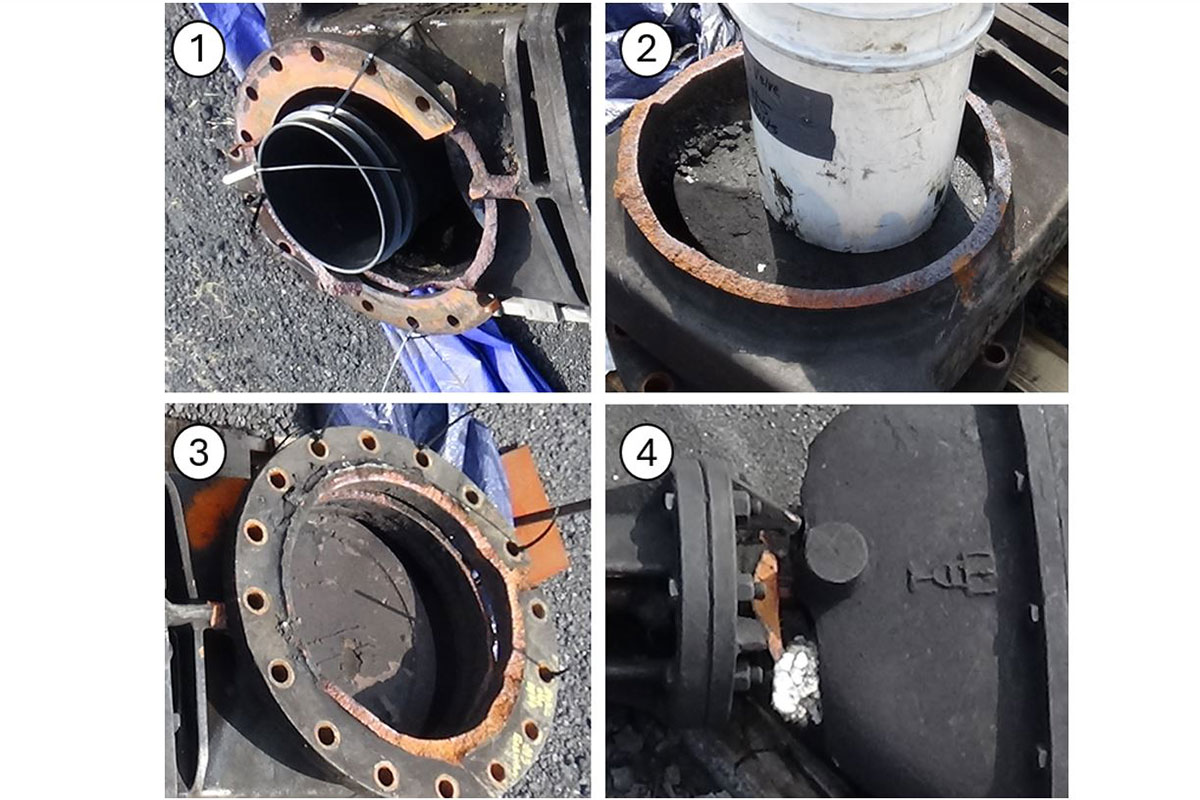
A 70-year-old cast-iron valve leaked gas when U.S. Steel and contract workers attempted to flush it with water, causing an explosion which killed 2 and injured 11 at the…
The U.S. Chemical Safety Board recommended improving emergency plans and updating IIAR standards in its final report on the 2024 toxic ammonia refrigerant release at Cuisine…
The U.S. Chemical Safety Board found emergency response plans and training to be inadequate in its final report on the 2024 toxic ammonia refrigerant release at Cuisine Solutions.