Dedicated to helping businesses and individuals prioritize safety, health, and compliance in the workplace. From small startups to large corporations, safety is essential, and we're here to make it easier.


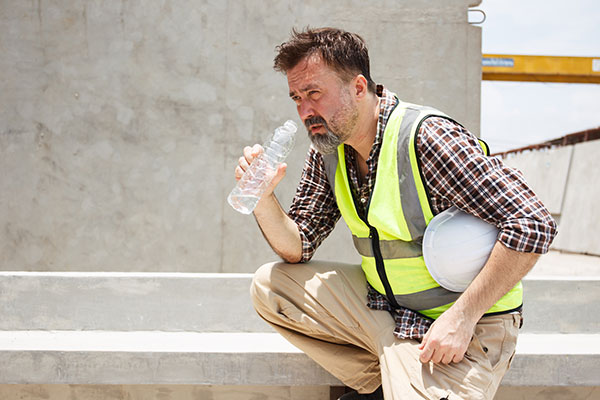
As climate change creates new risks for workers, occupational health leaders are urging the World Health Organization to put greater focus on workplace safety. In a May 16 Inside Climate News article, experts said rising threats, including extreme heat and hazardous exposures, are putting millions of workers at greater risk.
The concerns come at a time when workplace health experts say job-related hazards are growing while global attention to occupational health appears to be shrinking.
According to the article, hundreds of millions of workers worldwide experience job-related injuries or illnesses each year, and nearly 3 million people die from workplace accidents or exposures. Occupational health leaders interviewed by Inside Climate News said workers are facing a growing list of challenges tied to heat, air quality, hazardous materials and changing work conditions.
The Global Occupational Safety and Health coalition, known as GOSH, has argued that worker health should play a larger role in WHO planning efforts.
“We’re trying to raise awareness of the fact that leaving out occupational and safety protection for the workers is going to be a public health issue globally,” said Emanuele Cauda, a faculty member at the University of Pittsburgh focused on occupational hygiene.
Heat was repeatedly highlighted as one of the biggest concerns. Rising temperatures are increasing the risk of heat-related illnesses, accidents,https://www.worksafety247.com/topic/category/safety-incidents and deaths. Experts also pointed to growing concerns around exposure to hazardous materials, including silica dust linked to engineered stone used in countertops and construction materials.
The article noted that cases of rapidly advancing silicosis have continued to emerge among workers handling engineered stone products in the U.S. and other countries. Safety advocates said the issue highlights the need for stronger worker protections and greater awareness of emerging risks.
Thomas Gassert, a department associate in the Environmental and Occupational Medicine and Epidemiology program at Harvard T.H. Chan School of Public Health, said the effects of heat can reach far beyond heat illness itself.
“Then you have people falling, they get concussions, break their bones, they get killed," said Thomas Gassert, a department associate at Harvard T.H. Chan School of Public Health. "They work power tools inefficiently. They make mistakes. They get violent because they’re too hot.”
Some experts also raised concerns that workplace health programs at the WHO have received less attention in recent years due in part to funding pressures.
“There’s not enough attention paid to occupational health in the global-health agenda,” said Marianne Levitsky, founding president and board member of Workplace Health Without Borders. “That needs to be corrected.”

Join our Safety Briefing newsletter and get safety news across logistics, warehousing, manufacturing, construction, and other high-risk environments. Get the latest regulatory updates, alerts, safety products, equipment and training, and analysis.
Don't miss a single news story, product review or safety resource. Subscribe to our newsletter for the latest safety news, updates, and exclusive offers.