Dedicated to helping businesses and individuals prioritize safety, health, and compliance in the workplace. From small startups to large corporations, safety is essential, and we're here to make it easier.


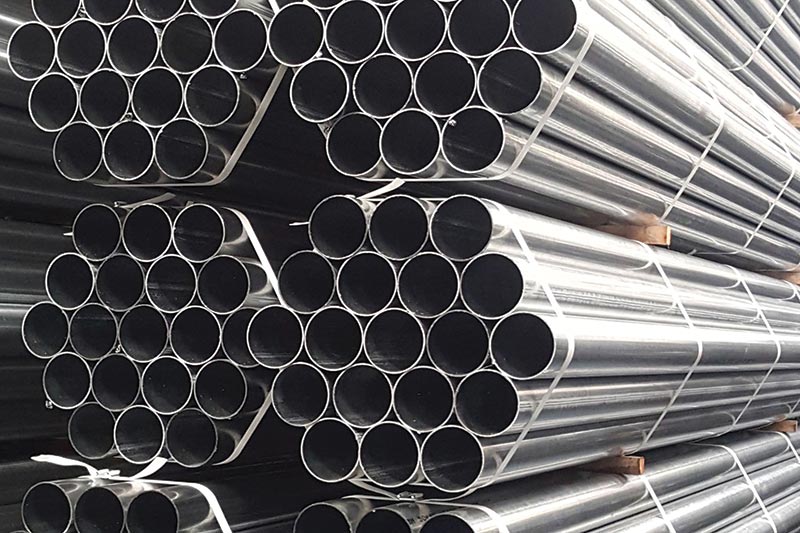
We’re going big here. You know, steel rolls, tubing, piping, cargo containers and everything in between.
That’s where heavy-duty strapping comes into play on roads and rail as well as at sea. If any of these loads get loose or come unbundled during transit, they’re going to leave a mark. Or, more likely, many marks.
“The headline is protecting products on the move and people from injury,” explains Alex Frueh, marketing manager at Cordstrap USA.
“But just as important is protecting the carrier, whether it is a truck, rail car or ship hold, from loose cargo. Due to its size and weight, a loose load really does cause heavy damage,” Frueh adds.
(After all, many of us have seen at least one “Die Hard”-like movie where it has happened with dire physical consequences.)
While steel strapping has a long history here, Frueh says polywoven strapping continues to make headway in securing a range of these unit loads. In fact, polywoven strapping comes in a range of strengths, able to contain loads from 1,000 to 45,000 pounds.
He acknowledges up front that in many applications, steel strapping is the entrenched preference. But certified polywoven strapping, such as that from Cordstrap, is lighter, easier to apply and provides at least equal protection from a load coming loose, says Frueh. Let’s break this down.
First, there’s the quality of the strap itself. Frueh points to Cordstrap’s composite polyester strapping for its ability to reliably secure heavy loads.
He goes so far as to say that “Cordstrap’s composite polyester strap, together with a high-quality galvanized steel buckle, provides optimal strength in all cargo securing applications and offers excellent performance even under extreme temperatures and conditions.”
In addition, the non-abrasive strapping material does not damage products in transit and is safe to apply and remove, he continues.
In addition, organizations from ISO to Lloyd’s Register and the Association of American Railroads all have an interest in the quality and performance of strapping of all types.
One of the most important is the CTU Code. It provides a non-mandatory global code of practice for handling and packing of shipping containers on sea and land, explains Frueh. The CTU Code is set by the International Maritime Organization, International Labour Organization and the United Nations Commission for Europe.
Or to put it another way, strapping may appear to be a simple matter, but its certification and regulation says there’s more to it.
There’s also the matter of how polywoven strapping performs, says Frueh. He tells the story of a major steel manufacturer that, after 15 years, shifted from steel to polywoven strapping to secure its steel coils on ships.
Frueh says polywoven reduced strapping costs 25%. It also reduced by 10% the time required to secure the cargo. Not a bad benchmark at all.
So there you have it. Polywoven strapping is ready to secure even the largest of loads while maximizing safety and security at lower cost.

Join our Safety Briefing newsletter and get safety news across logistics, warehousing, manufacturing, construction, and other high-risk environments. Get the latest regulatory updates, alerts, safety products, equipment and training, and analysis.
Don't miss a single news story, product review or safety resource. Subscribe to our newsletter for the latest safety news, updates, and exclusive offers.